REVIEW · MALLORCA
Self-Guided Audio Tour – The Legends of Palma
Book on Viator →Operated by SOUNDWALKRS · Bookable on Viator
Legends sound better on foot. This self-guided Palma story tour pairs key landmarks with offline chapters and 3D-style sound effects that bring tales like the Drac legend to life. I like that you can set your own rhythm through the historic center, and you get practical maps and tips so you are not just wandering.
One thing to consider: if you want nonstop, deep academic history, this may feel a bit light—especially since admission tickets are not included, and you will need your own smartphone and headphones to follow every chapter cleanly.
In This Review
- Key points to know before you go
- Why this audio walk beats a crowded tour in Palma
- Price and what you really get for $10
- Getting oriented: start at Santa Eulàlia and finish at Montesión
- Santa Eulalia Church: the story begins with Eulalia and the city’s vibe
- La Seu and Square de la Seu: where to look while the story plays
- The Diocesan Museum setting: 13th-century bishop’s palace energy
- Another church stop: why small stops keep the walk interesting
- The Arabian fort royal palace area and Square de la Mar
- Santa Clara Monastery: a story stop that changes the mood
- Montesión Church finale: closing the loop with a confident last step
- The sound experience: Drac legend, 3D effects, and why narration matters
- Who should book this Legends of Palma audio tour
- Quick practical tips to get the most out of the 45 minutes
- Should you book The Legends of Palma?
- FAQ
- How long is The Legends of Palma audio tour?
- Where does the tour start?
- Where does the tour end?
- How much does it cost?
- Do I need an internet connection?
- What do I need to bring?
- Are admission tickets included?
- Is this a private experience?
- Is it easy to reach using public transport?
- Can I cancel for a full refund?
Key points to know before you go
- Offline sound chapters and maps work as you walk, so you are not stuck hunting for reception.
- Sound effects and narrators are a big part of the experience, not just dry facts.
- Landmark-by-landmark routing helps you cover the main historic-center highlights efficiently.
- You control the pace, which is great when streets are busy or you want extra time in a square.
- Entry is not included, so plan on seeing many areas from the outside or deciding on-site for any paid spots.
- Easy start and finish points: Plaça de Santa Eulàlia to the area of Montesión Church.
Why this audio walk beats a crowded tour in Palma
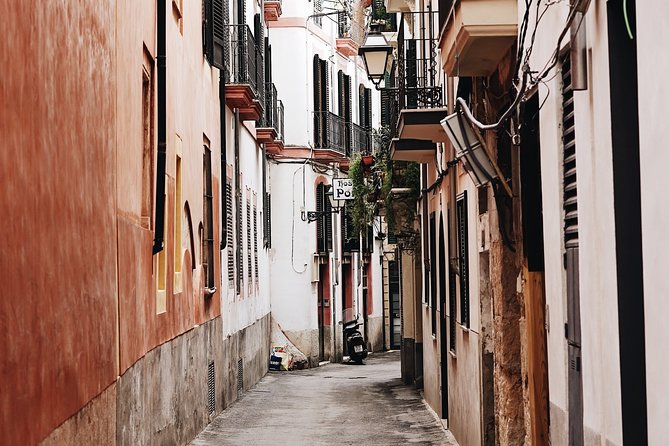
Palma’s center can feel like a busy hallway—nice, historic, and full of people moving fast. This Legends of Palma experience is built for the opposite: slower, smaller, and more personal. You start at Plaça de Santa Eulàlia and follow a story route to major sights, without listening to 20 other voices competing with yours.
What makes it interesting is how the myths get tied to real places. The big one is the Drac legend, but you also get story moments at and around places like La Seu (the cathedral area), the Diocesan Museum setting in a bishop’s palace, and Santa Clara Monastery. Even if you already know some of Palma’s history, hearing how legends attach to specific corners of the city helps you remember what you saw.
The format is practical, too. It’s a mobile ticket experience from the provider SOUNDWALKRS, and the tour is designed around chapters you can play as you go. That means you can stop for photos, wait for a busier street moment, or linger near a view without the whole group staring at you.
You can also read our reviews of more guided tours in Mallorca
Price and what you really get for $10
At $10 per person, this is priced like a deal you can justify even on a tighter trip budget. You are paying for a guided narrative experience—chapters, offline use, maps, and tips—rather than paying for museum access or paid attractions.
Here is the value math that matters. You get:
- offline chapters
- maps and exploration tips
- a set walking route connecting several key landmarks
But you do not get:
- snacks
- a smartphone or headsets
- admission tickets
So the best way to think about the $10 is this: you are buying the storytelling layer and the navigation help. Any paid entries are on you. If you already planned to see Palma’s cathedral area and churches, this audio tour can make that time feel more meaningful for very little extra cost.
Also worth noting: the tour averages about 17 days of advance booking. That usually signals it is popular enough to sell out on some dates, even if the price is low. If you want a specific day, booking earlier is still smart.
Getting oriented: start at Santa Eulàlia and finish at Montesión
The tour route starts at Plaça de Santa Eulàlia (Centre, 07001 Palma). You begin in the general area of the Santa Eulàlia church and move through the historic center on foot.
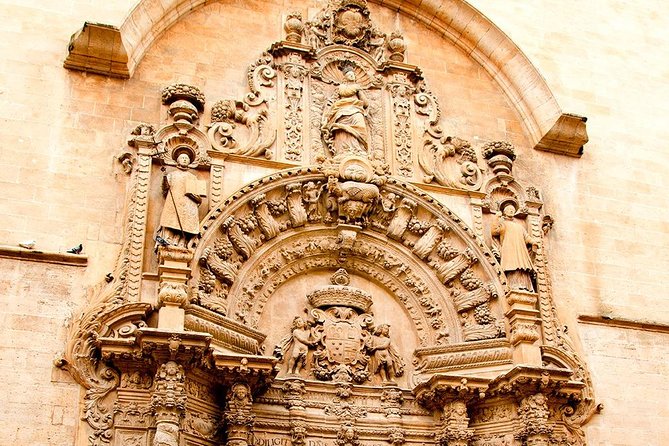
The ending point is listed as the Colegio Nuestra Señora de Montesión on Carrer de Monti-Sion, finishing near Montesión Church. The instructions say to locate yourself in front of Montesión Church, and the tour is open to you any time of day in the posted window, which is basically throughout the year.
The “private tour/activity” detail matters in a small way: it is just your group, not a big public scramble. For an audio tour, that is helpful because you are not forced into synchronized timing.
One more practical note: this is listed as near public transportation. So if you want to arrive early, get your bearings, then start when you are ready, you will likely find a workable transit rhythm.
Santa Eulalia Church: the story begins with Eulalia and the city’s vibe
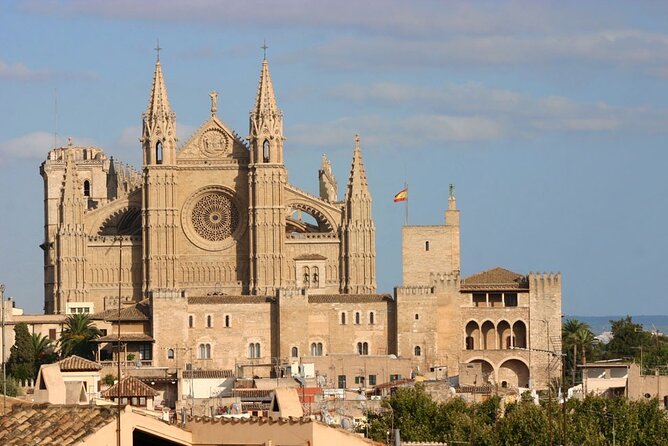
Your first stop is the Church of Santa Eulalia, a Catholic worship site under the invocation of Eulalia de Barcelona. That name is a useful clue. Legends in Palma often blend sacred space, local tradition, and older layers of culture. Starting here sets a tone: this walk is not just sightseeing. It is about how people in Palma explain themselves through stories.
What I like about starting with a church is that it gives you an immediate “sense of place.” You get your bearings fast, then the tour starts connecting what you see to what you hear. With an audio format, that early orientation can make or break the rest of the experience.
Potential drawback: if you jump straight into the chapter without looking at your surroundings, you might miss the whole point. Take 2 minutes at the start to glance around. Let the audio become a guide, not a distraction.
La Seu and Square de la Seu: where to look while the story plays
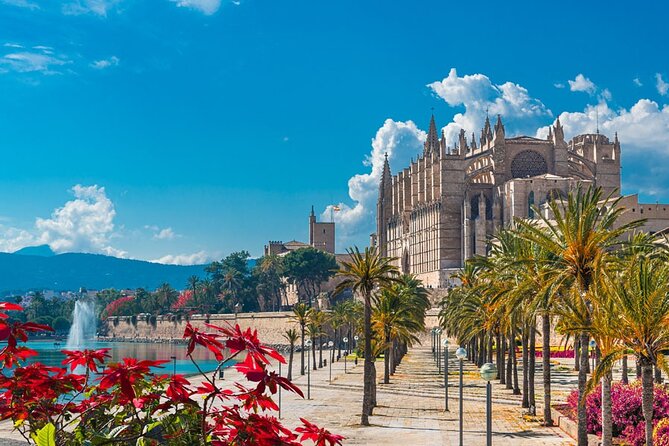
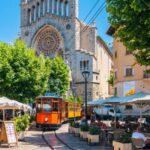
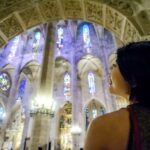
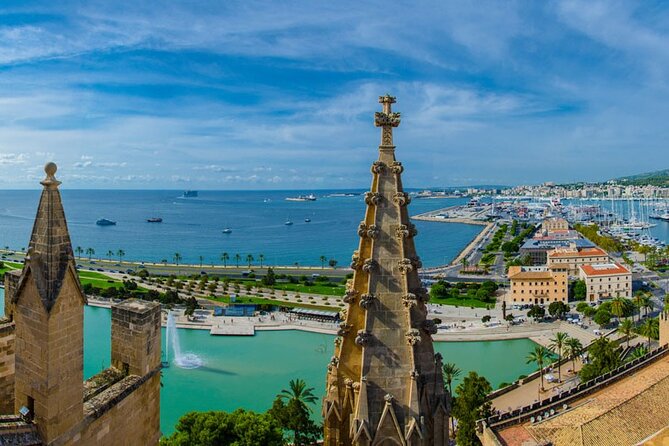
Next comes the Cathedral-Basilica of Santa Maria in Palma, commonly called La Seu. This is the island’s major religious building, and it anchors the historic-center feeling right away. You also move through Square de la Seu, which is the kind of open space where the soundscape idea works well—you can hear the narration while you actually see the cathedral area unfolding around you.
This part is valuable because it helps you read the landscape of landmark grouping. Cathedrals like La Seu are not just one building. They sit inside a cluster: squares, approaches, and sightlines that shape how the story lands.
Here is how to get the most out of this segment:
- Slow down at street corners so you do not lose the location cue.
- Pause long enough to notice how you are approaching the cathedral area, not just photographing it.
- Keep your phone volume comfortable. This tour’s identity is tied to sound effects and narration.
If you are the type who hates walking with headphones, this might annoy you here more than later. But if you are okay with audio on the move, this is where the format starts to feel worth it.
You can also read our reviews of more tours and experiences in Mallorca

The Diocesan Museum setting: 13th-century bishop’s palace energy
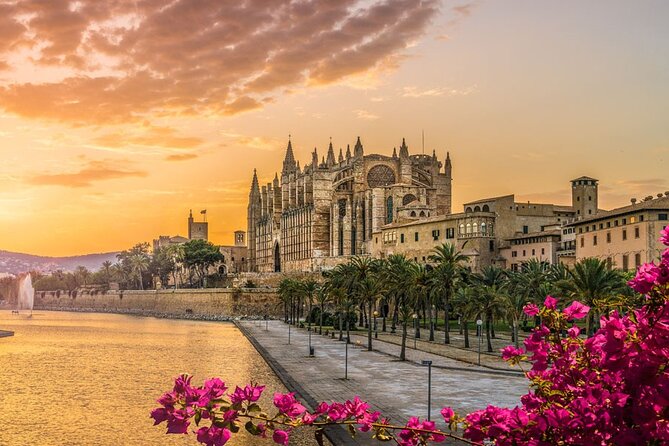
One stop is described as a Christian museum in a 13th-century bishop’s palace. Even if you do not go inside (since admission tickets are not included), the location itself matters. A bishop’s palace is a powerful symbol: authority, administration, and the long timeline of church life.
In an audio tour like this, this chapter likely helps you understand what the building represents. You do not just pass by it. You get a narrative frame for why that palace style and timeframe matter.
The practical challenge here is simple: museums can have hours, crowds, and ticket requirements. Since admission is not included, you might choose to enjoy the context from the outside and save your paid entry for another day. That is totally fair. The audio portion is the thing you are buying.
Another church stop: why small stops keep the walk interesting
The route includes “one of the Palma de Mallorca churches” as a separate stop. That detail may sound vague, but it hints at a broader idea: Palma legends are not only attached to the big-name monuments. They can also live in smaller, easier-to-overlook places.
This is where an audio tour can help you. When you are walking on your own, you tend to prioritize the obvious. An audio route encourages you to look at the in-between stops—the ones you might otherwise skip because they are not on your must-see list.
For you, the sweet spot is to let the audio guide decide what is important in that moment. If you want a checklist day, this walk pushes against that.
The Arabian fort royal palace area and Square de la Mar
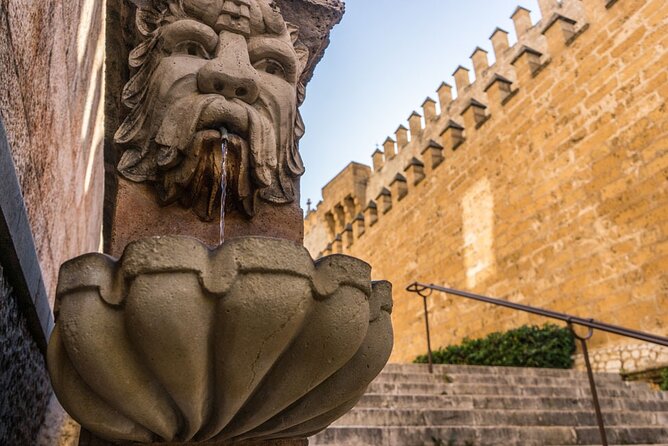
Another major stop is a site described as originally an Arabian fort, later a grand palace used by the Royal Family. Even without needing the specific name, the transformation story is the kind of local detail that makes Palma feel layered rather than one-note.
This is also paired with Square de la Mar. Squares in Palma are where the city breathes. They give you a breather in the walking rhythm, and they are often the right place to let the legend chapter sink in before you move to the next monument.
What you’ll enjoy here is the contrast:
- A defensive origin (fort)
- Then a royal palace function
- And then an open square that feels like modern public life
If you like your travel with a timeline in your head, this segment can stick with you.
Possible consideration: if your phone battery is low, this is the part where you really need to pay attention. Audio chapters plus maps can be power-hungry. Offline helps, but battery still needs management. Bring a small charger if you are the “I forgot” type.
Santa Clara Monastery: a story stop that changes the mood
You finish with an intriguing stop at Santa Clara Monastery. Monasteries tend to bring down the volume of the day. Even when the area is active, the buildings and the tradition change how you walk and look.
This chapter matters because it breaks the pattern of only big showpieces. You get variety in the route: cathedral energy, palace energy, then monastery quiet.
How to make this moment count:
- Walk slower than you did near the squares.
- Look up and around rather than only straight ahead.
- Use the stop as a natural reset before the final walk into Montesión Church.
Montesión Church finale: closing the loop with a confident last step
The tour ends by finishing at the area in front of Montesión Church. The idea behind a clean landing spot is great for an audio tour. You do not feel like you are cutting off mid-sentence. You walk the story route, hit the final landmark cue, then you are released back into the city.
If you are planning what comes next, this is a good moment to check where you want to go for a meal or a final stroll. You have done the core walking loop already, so you can choose your next step based on your energy.
Also, finishing at a church makes sense thematically. The tour’s myths are not floating in a vacuum. They are rooted in real religious and cultural spaces—so your last image stays anchored.
The sound experience: Drac legend, 3D effects, and why narration matters
A big positive in the feedback points to the audio itself: the Soundwalkrs app works, and the guide narration is described as spectacular, with 3D sound effects.
That is not just marketing fluff. On a self-guided route, sound is your guide when street landmarks look similar or when you are distracted by crowds. With strong narration and effects, you tend to pay attention more. You listen for the next cue. You glance at your surroundings at the right times.
One more thing I would take seriously: this experience depends on you having a functioning smartphone with audio (and headsets). Headsets are not included, and smartphones are not included. So if you show up expecting to borrow a phone or run speaker-only in a noisy square, you may feel like the story is fighting you.
Who should book this Legends of Palma audio tour
This is a good fit if you:
- want a self-guided way to see Palma’s historic center at your own pace
- like myths tied to specific places (especially the Drac legend)
- enjoy audio narration and sound effects rather than just reading plaques
- want a low-cost add-on that makes landmark time feel more intentional
It may not be for you if you:
- want heavy, detailed history nonstop for 45 minutes
- dislike following an app-based chapter flow while walking
- do not plan to bring headsets or cannot reliably use your phone on foot
One of the weaker reviews was blunt about being unable to follow well. That is a real warning sign for anyone who hates tech-based experiences. If your phone battery is iffy or you hate adjusting volume, consider whether audio tours will work for you before you commit.
Quick practical tips to get the most out of the 45 minutes
Keep the tour smooth with a few simple habits:
- Start with a full battery and plug in if you have a charger option in your day plan.
- Use headsets so the narration and sound effects are clear.
- Give yourself breathing space at squares like Square de la Seu and Square de la Mar.
- If you want photos, plan for quick pauses rather than slowdowns that break chapter flow.
- Expect a walking route through the city center, so wear comfortable shoes.
Because the duration is about 45 minutes, you are not doing a marathon. It is an efficient, focused loop, so you can pair it with other Palma stops the same day.
Should you book The Legends of Palma?
Book it if you want a short, low-cost, self-guided story route that helps you actually notice Palma’s key landmarks. The combination of offline chapters, maps and tips, and sound-led storytelling makes it a strong value at $10, especially if you already plan to see Santa Eulàlia, La Seu, the cathedral area, and finish near Montesión.
Skip it (or approach with caution) if you need lots of dense history, or if you know you dislike audio-on-the-go formats. This experience leans into legend and narration, not a lecture.
If you do book: bring your own smartphone and headsets, download your offline chapters ahead of time if the app offers that option, and treat it like a guided walk where your ears are part of the map.
FAQ
How long is The Legends of Palma audio tour?
It’s about 45 minutes.
Where does the tour start?
The start point is Plaça de Santa Eulàlia, Centre, 07001 Palma, Illes Balears, Spain.
Where does the tour end?
It ends at the area in front of Montesión Church, listed as Colegio Nuestra Señora de Montesión on Carrer de Monti-Sion, 24, Centre, 07001 Palma.
How much does it cost?
The price is $10.00 per person.
Do I need an internet connection?
The tour includes offline use chapters, maps, and tips.
What do I need to bring?
You should bring your own smartphone and headsets. Snacks are not included either.
Are admission tickets included?
No. Admission tickets are not included.
Is this a private experience?
Yes. It’s private for your group only.
Is it easy to reach using public transport?
Yes, it is listed as near public transportation.
Can I cancel for a full refund?
Yes. Free cancellation is available, and you can cancel up to 24 hours in advance for a full refund.