REVIEW · MALLORCA
Palma de Mallorca: Guided Tour of the Old Town
Book on GetYourGuide →Operated by Elysee Tours UG (Haftungsbeschränkt) · Bookable on GetYourGuide
Palma’s old streets reward your attention. This guided tour strings together the big sights and the small details, and I especially love the story-rich guiding style you get from guides like Maja/Maya or Yvonne, plus the patios—ornate courtyards—that explain how Palma’s families and traders lived.
The walk is also a great mix of religious, civic, and commercial power, from La Seu cathedral to the exchange area around La Lonja. One thing to plan for: this is a mostly on-foot tour and it’s not suitable for wheelchair users, so wear comfortable shoes and keep your bag situation simple.
In This Review
- Quick hits on Palma’s old town tour
- Why this 2-hour Palma walk feels more like a local route than a checklist
- Getting started at Av. d’Antoni Maura: a convenient base for old town exploring
- La Seu cathedral: more than a big church photo
- La Lonja exchange: where trade power shows up in architecture
- Consolat de Mar and the civic side of old Palma
- Almudaina palace and the royal layers of Palma
- Jewish quarter, city wall, and other secular landmarks
- Patios: the architectural detail that changes how you see the whole city
- BORN and Plaça Cort: finishing the loop with city-life energy
- Es Baluard: art as a context stop, not just a detour
- What makes the guide matter so much here
- Who this tour suits best (and who should choose differently)
- Price and value: why $46 can work for you
- Should you book this Palma old town guided tour?
- FAQ
- How long is the Palma old town guided tour?
- How much does the tour cost?
- What sites are included in the tour?
- Which languages are available?
- Are entrance fees included?
- Is food or drinks included?
- Where do I meet the guide?
- Is the tour wheelchair accessible?
- What should I bring?
- Is luggage allowed?
Quick hits on Palma’s old town tour
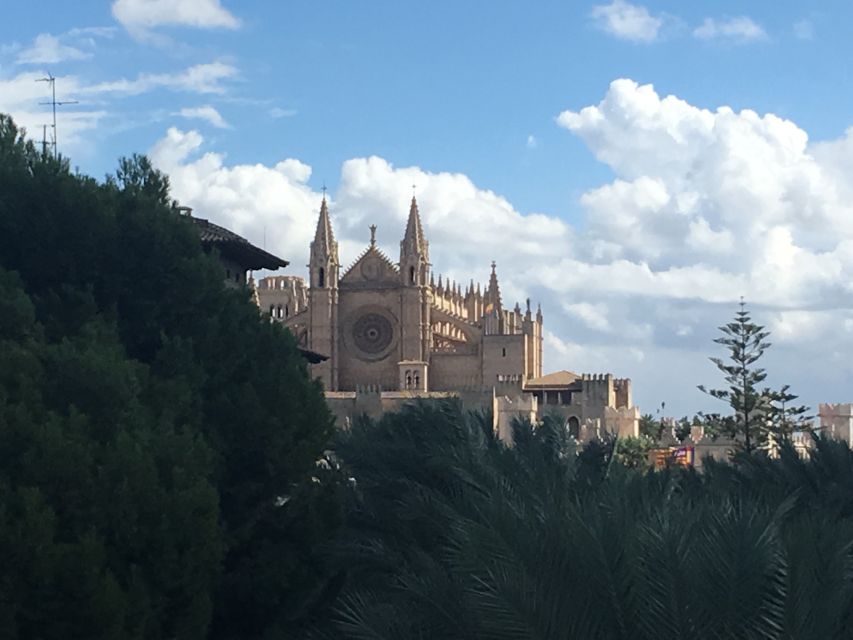
- La Seu cathedral and Guillem Sagrera’s legacy: you’ll connect the building to the people and ideas behind it
- La Lonja exchange near the cathedral: see where major Mediterranean commerce played out in stone
- Palaces, manors, and modernisme details: the architecture includes more than one era’s voice
- Patios and hidden courtyards: the tour leans into the places you’d likely miss on your own
- Jewish quarter and city wall: you get civic history, not just landmarks
- Es Baluard and Plaça Cort viewpoints: culture and city life show up along the route
Why this 2-hour Palma walk feels more like a local route than a checklist
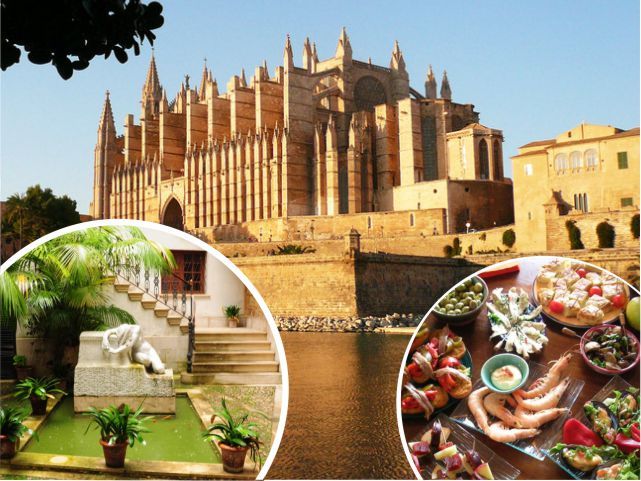
Palma’s old town is the kind of place where you can wander for days and still feel like you missed the point. This tour helps you connect the dots fast: who built what, why certain buildings cluster where they do, and how the city’s Mediterranean trade shaped daily life.
You’ll cover a dense area of landmarks and streets in about 105 minutes to 2 hours, which makes it a smart choice if you want history and architecture without committing to a half-day. At $46 per person, it also lands in the “reasonable for a guided, ticket-free walk” zone—especially because the value here isn’t museum entry, it’s interpretation.
And because the live guide is German (with private options offered in multiple languages), you’ll hear the city explained clearly, with the kind of details that often don’t make it into standard guidebooks.
You can also read our reviews of more guided tours in Mallorca
Getting started at Av. d’Antoni Maura: a convenient base for old town exploring
The meeting point is listed at Av. d’Antoni Maura, 22, and the exact location may vary depending on the option you book. The good news: it’s the sort of central setup that makes an old town walk easy to plug into your day. You’ll also return to the same area at the end, so you’re not scrambling for transit right after.
Before you go, do two small things that will make the tour smoother:
- Wear comfortable shoes (the tour is walking-heavy).
- Skip luggage or large bags; they aren’t allowed.
That one simple prep helps you stay focused on the architecture and stories instead of your feet—or your belongings—running the show.
La Seu cathedral: more than a big church photo
La Seu is the headline, but the tour approach is what makes it worthwhile. You’re not just seeing a landmark; you’re learning how it ties into Palma’s identity as a Mediterranean crossroads.
Expect your guide to point out the significance of major builders connected to the cathedral, including Guillem Sagrera. Even if you’re not an architecture nerd, the explanation helps you notice the parts that create the cathedral’s presence—how it dominates the skyline and how the surrounding streets reflect the city’s priorities.
What I like about doing it with a guide: cathedral exteriors can feel “same-same” if you only browse photos. With context, you start noticing why people cared enough to build at that scale and why the area became a hub.
Possible drawback: if you’re expecting lots of inside time, plan around entrance fees not being included. Your best bet is to use the tour for exterior-and-context learning, then decide later if you want museum or cathedral interior time on your own.
La Lonja exchange: where trade power shows up in architecture
Right near the cathedral zone, you’ll also see La Lonja, the exchange building tied to Palma’s commercial strength. This stop matters because it balances the emotional weight of religious architecture with the hard reality of money, shipping, and contracts.
Your guide’s stories are aimed at helping you understand Palma as a city shaped by the Mediterranean Sea—when the region’s trade made the city important. That framing changes how you read the stonework. You start seeing the exchange not as a pretty stop, but as an engine room of the old city.
If you like history that connects to real life—who gathered where, what decisions got made here—this is one of the most satisfying parts of the walk.
Consolat de Mar and the civic side of old Palma
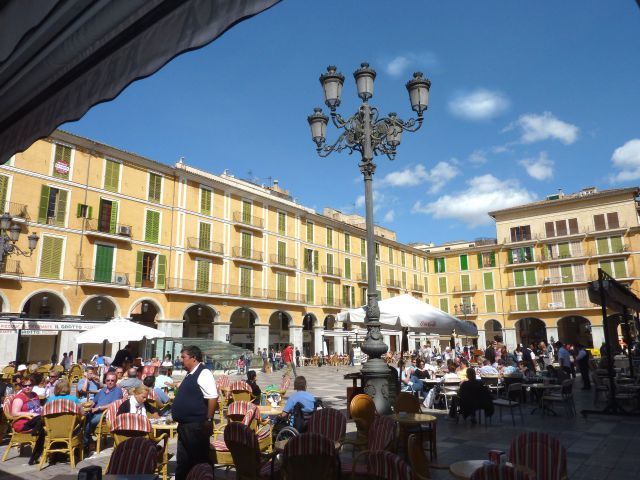
Palma’s old town isn’t only churches and merchant halls. You’ll also encounter Consolat de Mar, a reminder that the city had institutions for maritime business and regulation.
This is where the tour becomes more “city history” than “monument parade.” You’ll learn how Palma operated day to day and how major sites relate to each other spatially—what’s close because people needed it close, and what’s positioned for visibility and authority.
It’s a great pacing break too. After seeing monumental architecture, your mind shifts toward governance and systems—how a trading city kept order.


Almudaina palace and the royal layers of Palma
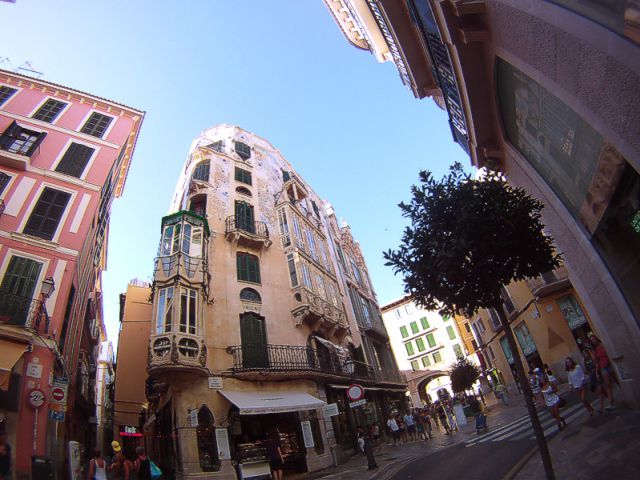
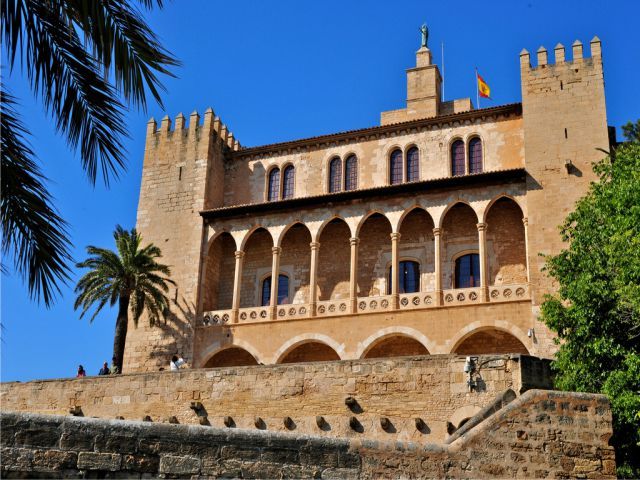
The tour includes the Almudaina palace. It’s one of those stops that can feel like a quick glance if you’re moving on your own. With a guide, it becomes a clue to understanding the balance of influences in Palma—where rulers and institutions fit into the city’s story.
This part of the tour tends to highlight how palaces and manors relate to the rest of the old town: they weren’t isolated. They lived within the same urban fabric that merchants and everyday people navigated.
Jewish quarter, city wall, and other secular landmarks
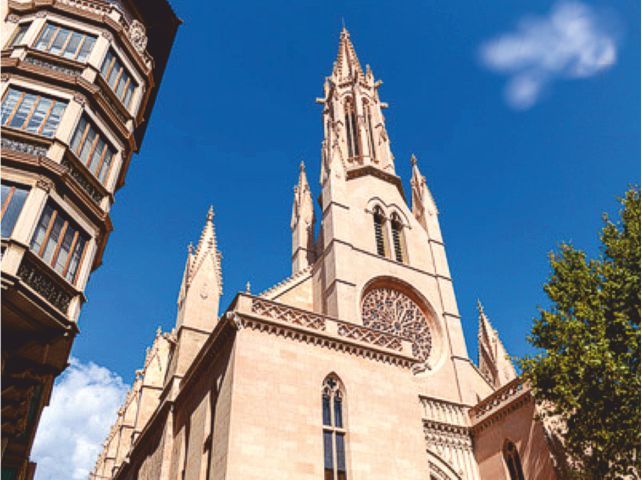
One of the most valuable aspects of this tour is that it doesn’t treat Palma’s past as only Christian religious history. You’ll see the Jewish quarter and also learn about the city wall, which helps you understand how Palma defended itself and controlled movement.
You may also pass or visit points that connect to civic and religious authority, including a government building, the episcopal palace, and other secular structures.
Why this matters: when you see city walls and quarter boundaries, you stop thinking of the old town as one blended postcard. You start picturing it as neighborhoods with rules, limits, and community identities.
This is also a point where a good guide can make the history feel human—less like dates, more like places people lived.
Patios: the architectural detail that changes how you see the whole city
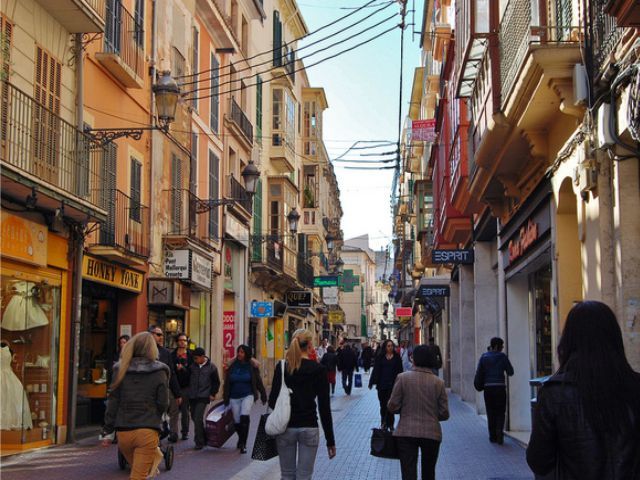
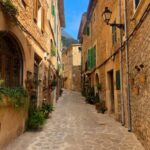
If you take nothing else from this tour, take this: patios. These ornate courtyards are the kind of thing you might miss unless someone points them out.
Your guide’s stories connect patios to how Palma functioned—how homes and institutions were organized around internal light, air, and privacy. It’s a simple idea, but it’s the kind that makes architecture meaningful rather than decorative.
I love that the tour uses patios to teach you how to look. Once you understand what you’re searching for, the old town becomes more rewarding on your own afterward.
BORN and Plaça Cort: finishing the loop with city-life energy
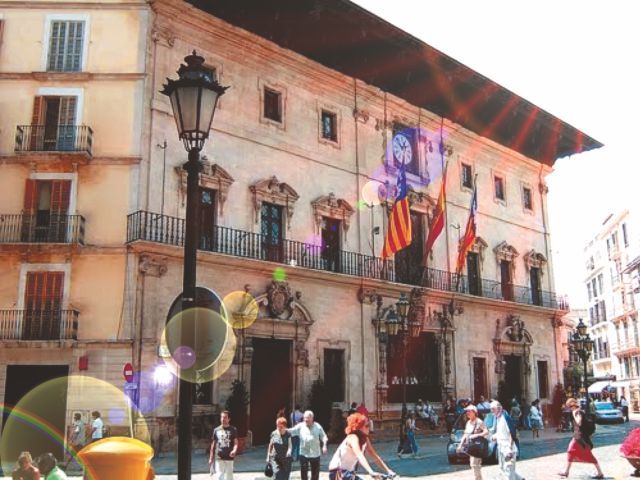
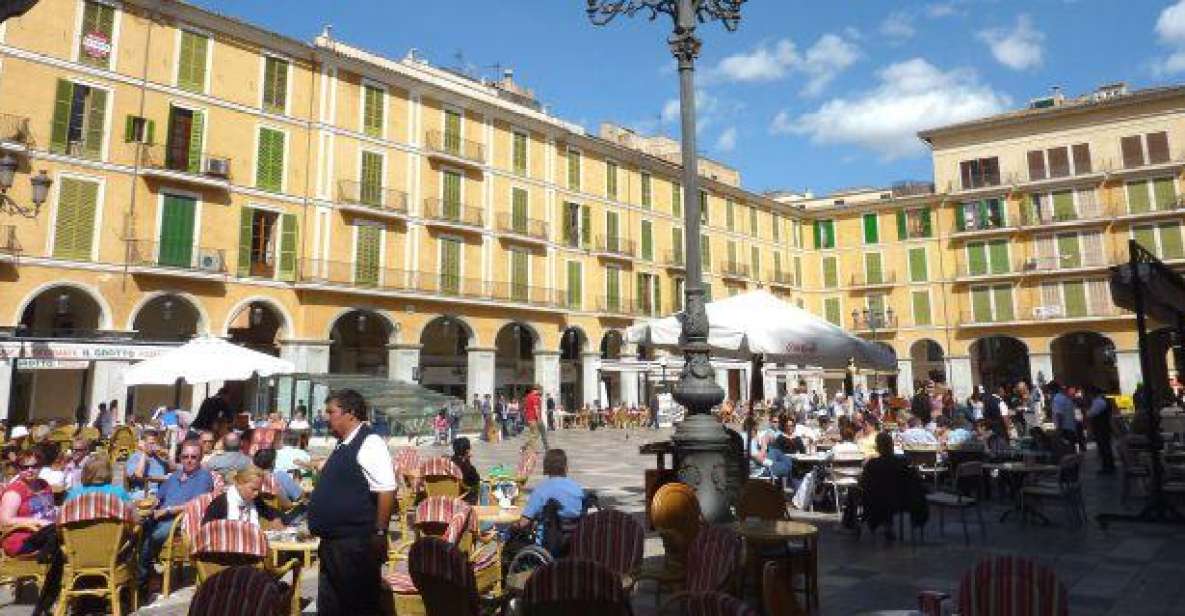
As the walk continues, you’ll reach areas like BORN and Plaça Cort. These stops act like turning points: you’re moving from big historic blocks into spaces that feel like parts of everyday Palma.
Plaça Cort is especially helpful for getting your bearings. It’s where the tour’s narrative lands: Palma isn’t frozen in medieval time. It’s layered.
And yes, you’ll still hear about architecture beyond the medieval core. The tour includes mentions of modernisme buildings and stories linked to the disciples of Antoni Gaudí connected to palaces and manors. Even if you can’t match every detail to a name at street level, having that “what to look for” guidance helps you notice the style shifts.
Es Baluard: art as a context stop, not just a detour
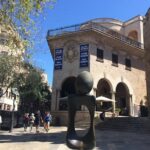
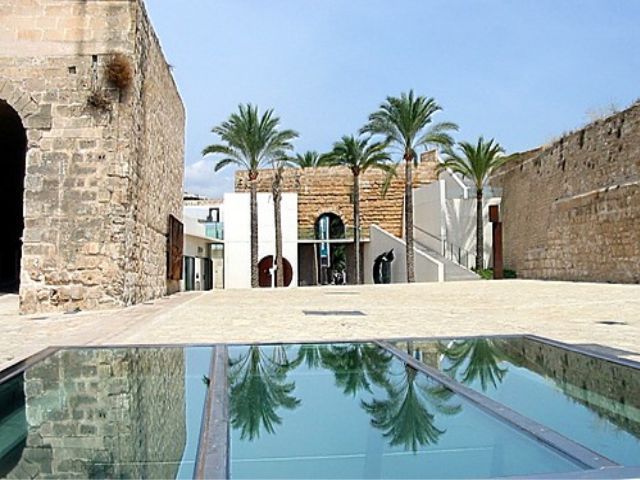
The route also includes Es Baluard, a museum area. Even without guaranteed entry time, it’s a useful cultural checkpoint.
Why it’s worth having it on the tour: it reinforces that Palma’s identity isn’t only built in the past. The city keeps producing art and interpretation today, and Es Baluard is part of that modern cultural footprint.
If you’re the kind of person who likes to pair architecture with culture, this stop makes the day feel complete.
What makes the guide matter so much here
This tour stands or falls on how the guide tells the story. The best feedback is very consistent: people describe the guides as friendly and full of detail, with locals making the places feel understandable.
Names you may hear in the German-language experience include Maja/Maya and Yvonne. The common thread across guides is that the tour feels personal—like you’re receiving city guidance, not just following a script.
I’d treat that as a real decision factor. In a city like Palma, a guide who knows how to connect the cathedral, the exchange, the palace, and the neighborhoods can turn a simple walk into a “now I get it” moment.
Who this tour suits best (and who should choose differently)
This guided old town route is a strong fit if you want:
- Architecture and history with clear explanations
- A compact walk that covers both religious and secular Palma
- The “small detail” kind of sightseeing, like patios
- A tour in German (or a private option in other languages, depending on booking)
It’s less ideal if:
- You need wheelchair accessibility (it’s not suitable for wheelchair users)
- You want extended indoor time at paid sites (entrance fees are not included)
If you’re traveling with limited time—cruise stop, short city break, or simply a day when you still want dinner reservations—this is a smart way to see more with less stress.
Price and value: why $46 can work for you
At $46 per person for about 105 minutes to 2 hours, the value comes from guidance and interpretation, not ticket costs. Since entrance fees are not included, the tour is designed around walking, looking, and listening.
Here’s how I think about value in Palma:
- If you’re the type who loves wandering but hates missing the story, a guided walk is often cheaper than booking multiple separate activities later.
- If you already plan to visit sites inside, this tour helps you arrive informed and then decide what’s worth paying for.
So yes, it’s not “free,” but it can save you time and help you get more meaning out of the parts of Palma you’ll see either way.
Should you book this Palma old town guided tour?
I’d book it if you want a well-structured walk that connects Palma’s big monuments to the neighborhoods and everyday architecture that make the city feel real. The standout strength is how the tour treats the old town as a system—trade and power, civic institutions, religious sites, and those patios that quietly explain how people lived.
I wouldn’t book it as your only plan if you know you want lots of indoor time at major attractions. Instead, use this tour to set context, then add independent visits where you want deeper access.
If your goal is to walk away thinking you understand Palma better—especially its architecture, trade history, and hidden courtyards—this is a solid choice.
FAQ
How long is the Palma old town guided tour?
It runs about 105 minutes to 2 hours.
How much does the tour cost?
The price is listed at $46 per person.
What sites are included in the tour?
You’ll see major landmarks such as La Seu cathedral, La Lonja exchange, Consolat de Mar, Almudaina palace, BORN, Es Baluard, and Plaça Cort, along with areas tied to the Jewish quarter and the city wall.
Which languages are available?
The live tour guide is German. Private or small group options are available, including options listed in English, French, and German.
Are entrance fees included?
No. Entrance fees are not included.
Is food or drinks included?
No. Food and drinks are not included.
Where do I meet the guide?
The meeting point may vary depending on the option booked, and it’s listed around Av. d’Antoni Maura, 22.
Is the tour wheelchair accessible?
No, it’s not suitable for wheelchair users.
What should I bring?
Bring comfortable shoes for walking.
Is luggage allowed?
No luggage or large bags are allowed.