REVIEW · MALLORCA
Half-day e-bike tour through the most unknown villages of Mallorca
Book on Viator →Operated by Mallorca Amazing Tours · Bookable on Viator
An e-bike loop through the Serra de Tramuntana on quiet roads sounds like a shortcut to real village life. What makes this one work is the mix of small-town stops and food-and-farming time, including a visit to a major olive-oil mill plus a tasting stop in Lloseta for Cardenal de Lloseta.
I especially like the way the route stays away from the most stressful roads, so you get scenery without white-knuckle riding. And I like the practical structure: you start with a clear safety briefing, then you’re guided from village to village at an easy pace.
The main thing to consider is that it’s active time. Even with an e-bike and only 310 m of climbing, you’ll still be pedaling for a good chunk of a half day—and lunch isn’t included even though you’ll have time to eat during the mill stop.
In This Review
- Quick highlights before you pedal
- Why this Inca-based e-bike tour feels local
- The ride itself: easy pace, 41 km, and what that really means
- Stop 1 in Inca: old town stories and leather-town energy
- Lloseta: a village stop with shoes, church, bakery, and Cardenal de Lloseta
- The quiet architecture hit: Biniamar and stone houses
- Mancor de la Vall: Santa Lucía Monastery views without the chaos
- Caimari and the olive-oil mill: learn the process, taste the results
- Binibona: stone houses and a quieter final stretch
- Campanet caves: a passing note with real local gravity
- Value and price: why $80.95 for 4 to 5 hours can make sense
- Who this e-bike tour suits best
- When to go and what to bring
- Should you book this half-day e-bike loop?
- FAQ
- How long is the e-bike tour?
- Where does the tour start?
- What time does the tour begin?
- What does the tour cost?
- What’s included in the price?
- Is lunch included?
- How difficult is the ride?
- How many people are in a group?
- What happens if weather is bad?
Quick highlights before you pedal
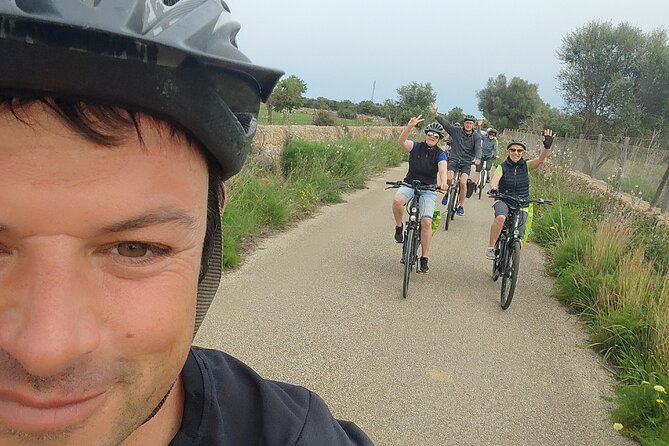
- Easy riding profile: 41 km with just 310 m up and 310 m down
- Quiet roads between villages: secondary routes off the busier arteries
- Tasting built into the day: olive-oil sampling at a Caimari mill plus a sweets stop in Lloseta for Cardenal de Lloseta
- Serra de Tramuntana viewpoints: especially around Mancor de la Vall and the Santa Lucía Monastery area
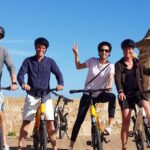
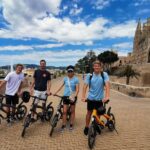
- Small group energy: capped at 10 riders for a more relaxed feel
Why this Inca-based e-bike tour feels local
The ride starts in Inca, not a resort parking lot. Your meeting point is at the parking area by the Inca cemetery, where the guide sets the tone right away with route notes and basic e-bike how-to. It’s a smart start for first-timers because you get comfortable before you’re tucked between villages and rolling countryside.
Inca also matters culturally. This is a leather town—big enough that it has a weekly market rhythm and the kind of local industry you can’t see from postcards. The stop in the old town is short, but it’s paced so you don’t feel hurried.
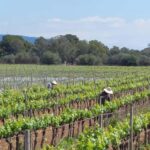
If you like Mallorca for its textures (stone, old streets, working farms), this route leans hard into that. You’ll pass through places that feel more like everyday stops than sightseeing checkboxes, and you’ll spend actual time in the villages rather than just rolling past them.
You can also read our reviews of more cycling tours in Mallorca

The ride itself: easy pace, 41 km, and what that really means
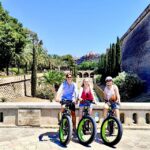
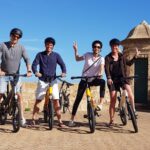
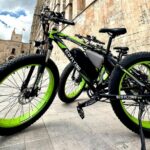
On paper, it’s easy: you get an e-bike, a helmet, and saddlebags, and the tour is listed at easy difficulty. The distance is 41 km, and the climbing is 310 m total with the same amount descending—so it’s not a vertical grind.
In practice, the experience is “half-day active” rather than “easy stroll.” You’ll likely feel like you’re riding most of the tour, and the payoff is that you’re moving at a speed where villages still feel personal. You’re not stuck behind a bus window, and you’re not sprinting up hills either.
One small trick: bring your own rhythm. Use the e-bike help smoothly instead of maxing it the whole time. That’s how you stretch out battery and keep the ride comfortable through the climbs. Also, wear something you don’t mind getting a bit dusty—these are countryside routes on secondary roads.
Stop 1 in Inca: old town stories and leather-town energy

You’ll begin at the Inca cemetery parking lot with the pre-ride briefing. Then you move into Inca itself for a first taste of the city: old town streets, plus local context that helps everything you see make more sense.
Inca’s a major node on the island, and it’s known for leather. There are wineries around, and the weekly market vibe brings in a constant hum. Even if your time in town is only around 15 minutes, it’s enough for your guide to tie together what you’re seeing—so the tour doesn’t feel like a grab-bag of random stops.
If you’re the type who likes a little orientation at the start, this stop gives you that. And if you’re not, it still works because the guide keeps the pace light and the stories short.
Lloseta: a village stop with shoes, church, bakery, and Cardenal de Lloseta
Next comes Lloseta, right at the gates of the Tramuntana. The vibe here is village life: you’ll see main sights like the church, a shoe factory, and a traditional bakery—three different ways to understand how ordinary work shapes a place.
And then there’s the mandatory workshop stop, where you get to know and taste the sweetness locals love: Cardenal de Lloseta. This is the kind of experience that turns a ride into a day you can remember with your senses, not just your photos.
A practical note: since the day includes tastings, you might not want a heavy breakfast. Save room for the sample so you can actually enjoy it rather than just power through it.
The quiet architecture hit: Biniamar and stone houses
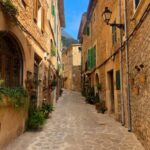
From Lloseta you roll to Biniamar, a traditional town that’s described as away from tourism. That matters. This is the stop where you slow down and notice details you’d normally skip: stone construction, the way streets fold into themselves, and the simple village layout that supports daily life.
Biniamar’s draw is its stone houses, so keep your eyes up and on the sides of streets. The joy here isn’t a single landmark. It’s the feel of place and the authenticity of everyday architecture.
This is also where the e-bike helps. You’re covering ground while keeping your attention on what’s in front of you—rather than suffering through long distances on a hot day.
You can also read our reviews of more tours and experiences in Mallorca
Mancor de la Vall: Santa Lucía Monastery views without the chaos
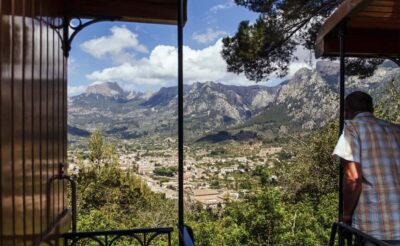
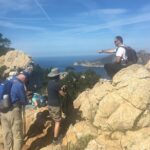
The next stop is Mancor de la Vall, set within the Serra de Tramuntana. Here the highlight is the view—especially toward the Santa Lucía Monastery area.
Even with only about 15 minutes in the town, you get something valuable: a sense of the Tramuntana’s scale. Mallorca’s interior can feel surprisingly dramatic, and these viewpoint moments help you understand why people come here beyond beaches.
This stop is also a reminder of why your route matters. Because the tour is designed to avoid dangerous and noisy roads, the ride between villages stays calmer. You arrive looking at the view instead of arriving stressed.
Caimari and the olive-oil mill: learn the process, taste the results
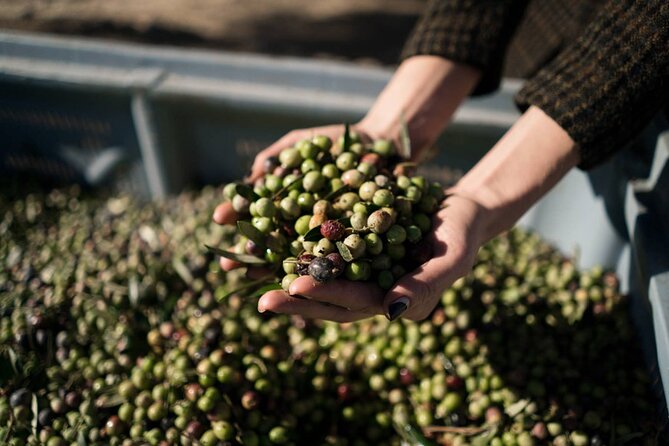
Caimari is the big food-and-farm anchor of the day. It’s known for olive trees, and the key experience is the visit to one of Mallorca’s important oil mills.
You’ll learn the traditional production process of olive oil and taste different oils. That’s a meaningful upgrade from just seeing an olive tree and calling it a day. You get the story of how the product becomes the liquid you use on bread, salads, and grilled food back home.
This is also where time expands. The plan includes a break and the opportunity to have lunch. Here’s the tradeoff: lunch isn’t included, even though you’ll have the chance to eat at this point. So plan for yourself—bring money or make sure you’re ready to buy something on-site.
If you care about food, this stop will probably be your favorite moment. If you don’t, it’s still worth it because olive oil is a core part of Mallorca, and you’ll come away with a better sense of why people talk about it with pride.
Binibona: stone houses and a quieter final stretch
Binibona is near Caimari and is made up of traditional-style stone houses. It’s a small stop, but it works as a gentle landing after the mill visit. You’ve just learned how oil is made; now you see another side of village life—simpler, quieter, and built to last.
This is also a good moment to slow down and look at how the villages fit into their surroundings. Since you’re on an e-bike, you don’t have to rush, and you can take in the details at your own speed.
Campanet caves: a passing note with real local gravity
Before you wrap up, you pass through Campanet, famous for its caves. The tour ends back at the meeting point in Inca, so this is more of a scenic pass than a full cave visit.
Still, Campanet’s presence matters because it reminds you that this region is layered. Serra de Tramuntana is the headline, but Mallorca’s other natural features are close enough to feel connected.
Value and price: why $80.95 for 4 to 5 hours can make sense
At $80.95 per person, you’re not only paying for an e-bike. You’re paying for a guided loop that includes the bike, helmet, saddlebags, and water, plus an organized visit to the oil mill with tastings.
What makes this feel like good value for the time is the pairing:
- You get logistics solved (route planning, safety briefing, and guided pacing).
- You get access and tasting at the mill and the workshop stop in Lloseta.
- You don’t have to figure out how to string together a countryside day on your own.
The only clear “cost you might add” is lunch. Since lunch isn’t included, you’ll likely spend extra if you eat during that break at the mill. If you’re budgeting, treat that as your main optional add-on, plus any personal snacks or drinks outside the provided water.
Who this e-bike tour suits best
I think this tour is perfect if you want village wandering without turning it into a long-distance slog. The easy difficulty and the e-bikes make it approachable for people who want the scenery but don’t want to grind uphill all day.
It also works well for food-focused travelers. Olive oil tastings are central, and you also get the famous Lloseta sweet stop. If you love learning how local products are made—and tasting them—this is a strong fit.
It’s less ideal if you hate riding. The day is built around moving between stops, and the time in each village is short. You’re meant to get the flavor of many places, not deep-dive in one.
When to go and what to bring
The tour runs with a clear weather requirement: it depends on good weather, and poor conditions can mean rescheduling or a full refund. So check forecasts in the days right before you go.
Bring:
- sunscreen and a hat (you’re outdoors most of the time)
- comfortable riding clothes and closed-toe shoes
- a light layer, since mountain air can feel cooler even in a pleasant season
- some cash or card for lunch at the mill break (since lunch isn’t included)
Should you book this half-day e-bike loop?
Yes—if your idea of a great Mallorca day is quiet roads, real villages, and a couple of hands-on food moments. This tour’s strength is that it connects several places around the Tramuntana in just half a day, without making you fight the island or plan three separate outings.
If you’re deciding between this and a more urban day, pick this one for the combination of countryside riding plus organized tastings. If you’re deciding between this and a full-day ride, this is a smart choice because the distance is controlled, the pace is manageable, and you still get enough stops to feel you made the island “click.”
If you want a countryside day that’s active but not punishing—and you’d like to leave with olive-oil knowledge plus a sweet you can taste—this is a very solid bet.
FAQ
How long is the e-bike tour?
It runs about 4 to 5 hours.
Where does the tour start?
The meeting point is the parking lot of the Inca cemetery at Serveis Funeraris d’Inca, Pol. Ind. Can Matzari, Carrer dels Menestrals, 07300 Inca, Illes Balears, Spain.
What time does the tour begin?
Start time is 9:30 am.
What does the tour cost?
The price is $80.95 per person.
What’s included in the price?
Included are the bike guide, e-bike, helmet, saddlebags, a visit to an oil mill, and water.
Is lunch included?
No. Lunch isn’t included, even though there’s time for a break and lunch during the Caimari oil-mill stop.
How difficult is the ride?
The difficulty is listed as easy, with a total distance of 41 km and 310 m ascent and 310 m descent.
How many people are in a group?
The tour has a maximum of 10 travelers.
What happens if weather is bad?
The experience requires good weather. If it’s canceled due to poor weather, you’ll be offered a different date or a full refund.