REVIEW · MALLORCA
Palma de Mallorca : Must see Walking Tour With A Guide
Book on GetYourGuide →Operated by Guydeez Tours · Bookable on GetYourGuide
Palma is a small city that rewards slow walking. This private, customizable tour gives you the big sights in about 2 hours, with a guide who can steer the route toward what you care about. I especially like how the stops connect to the stories behind Mallorca’s past, not just the photo spots.
Two things I really love: the chance to see landmarks like Arab Baths and Santa Clara while a guide puts them into context, and the practical advice you get for what to do after you finish the walk. It’s also great that you’re not stuck with a rigid group itinerary—your guide can shape the pace and emphasis.
One thing to consider: some interior visits may cost extra. For example, the Roman baths stop has an extra ticket cost mentioned in at least one review, so plan for small add-on expenses if you want the full experience inside.
In This Review
- Key highlights worth your time
- Why a 2-hour private walk makes sense in Palma
- Starting at Pg. del Born: the easiest way to get oriented
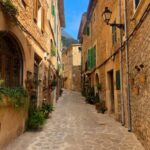
- Palma Old Town on foot: how the guide turns streets into stories
- Plaça de Cort: a quick center stop you’ll remember
- Convent of Santa Clara: why this stop hits differently
- Arab Baths: the signature history stop (and what to expect)
- La Bodeguita del Medio and La Lonja: Guillem Sagrera’s imprint
- Plaça de Santa Eulàlia and Basilica de Sant Francesc: religion as city identity
- Ca’n Joan de s’Aigo: a local stop that adds texture
- A possible shift toward the coast: Playa de Cala Mayor
- Palau de l’Almudaina and Parc de la Mar: power meets open air
- What the guide adds: tailored route + real city advice
- Price and logistics: what $39 really buys
- Who should book this Palma walking tour
- Should you book this tour?
- FAQ
- FAQ
- How long is the Palma walking tour?
- Where does the tour start and end?
- Is the tour private?
- What sites will we see during the tour?
- What’s included in the price?
- What languages are the guides available in?
Key highlights worth your time
- Private by default: no crowding, and the guide can respond to your interests
- Tailored route options: you may swap in stops like La Lonja landmarks, Sant Francesc, or Parc de la Mar
- Arab baths stop: a major history marker, often experienced in a quieter, garden-like setting
- La Lonja area architecture: you’ll see the site linked to Guillem Sagrera
- Local culture tidbits: you might pick up details like Mallorcan fabric motifs and espadrilles/shoe traditions
Why a 2-hour private walk makes sense in Palma
Palma works best when you walk. The Old Town is compact, and you get more out of the city when you’re moving at a human pace—especially if you’re trying to understand the layers of influence across centuries.
This tour is two hours, which is just long enough to cover the core sights without draining your energy. And because it’s private, you’re not stuck waiting for other people to catch up or vote on what’s next. If you like your sightseeing explained with clear, walk-along guidance, the format fits well.
You’ll also have a guide who can adjust the day. In reviews, guides like Jorge and Frank are praised for tailoring the route toward history and architecture—or for sharing city secrets with energy (Sylvie gets that kind of praise). That matters because Palma has more than one “best version” of the city, depending on what you want to feel and learn.
You can also read our reviews of more walking tours in Mallorca

Starting at Pg. del Born: the easiest way to get oriented
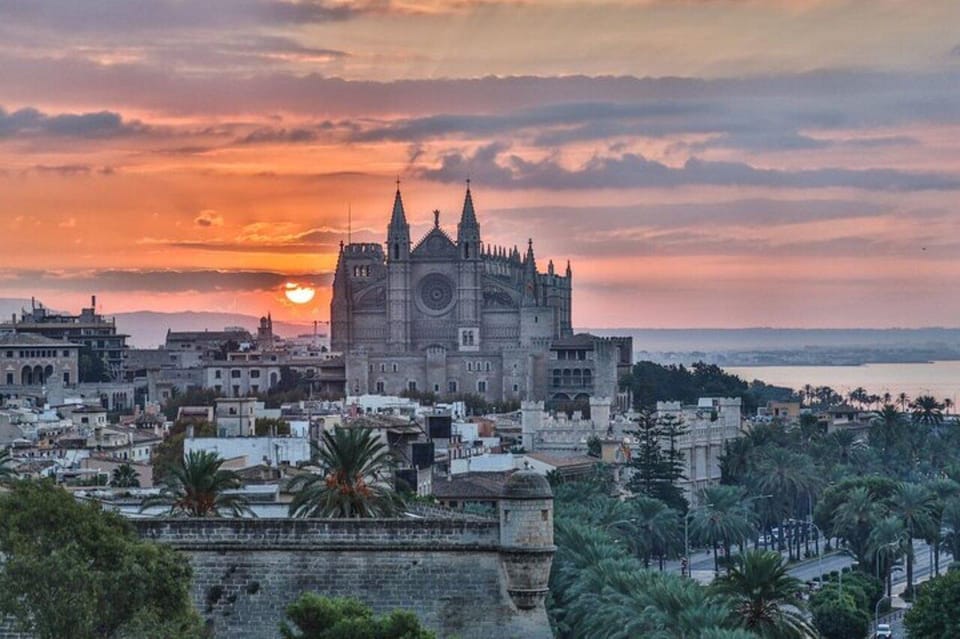
You meet at Pg. del Born, 4, and that location is helpful because it puts you close to the Old Town walking flow from the start. The tour ends back at the same point, which means you don’t have to solve your own “how do we get back” puzzle after two hours of sightseeing.
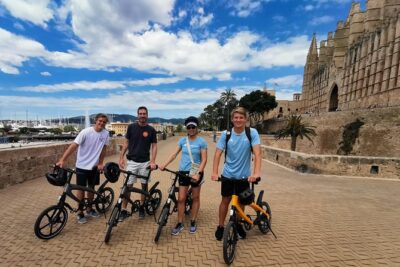
Expect a day that mixes steady walking with short transitions. The experience includes walking and public transport unless you select an option that changes that. In practical terms, that helps you connect neighborhoods without turning the tour into a long-distance hike.
I like tours that start with orientation because it prevents the “I saw it, but I don’t know where I am” feeling. With a guided route, you get the street-level logic of Palma—so afterward, you can return on your own with less guessing.
Palma Old Town on foot: how the guide turns streets into stories
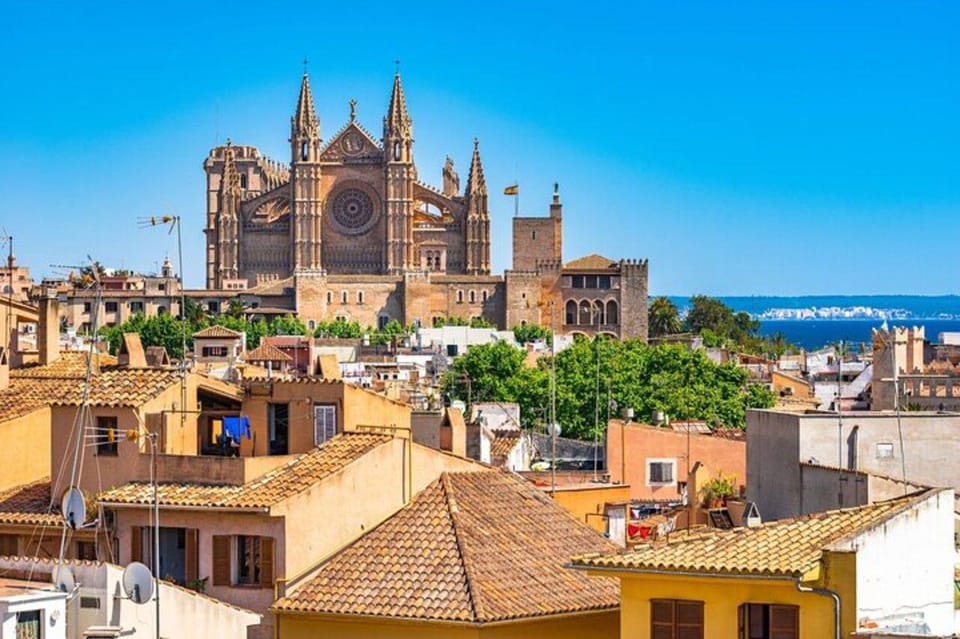
Your first stop is Palma Old Town with guided walking. This is the part where the guide’s voice matters. A good guide doesn’t just list sites; they connect what you see to why it’s there and what changed over time.
The payoff is mental. When the guide points out patterns in streets and landmark locations, you start seeing the city like a map instead of a collection of buildings. Reviews mention a strong focus on history and architecture, and that’s exactly what you want early on—so later stops feel like chapters, not random stops.
There’s also a social advantage to private guiding. You can ask quick questions as you go—about what to prioritize, what to skip, and how to spend the rest of your day without burning time.
Plaça de Cort: a quick center stop you’ll remember
Next comes Plaça de Cort, which is one of those plazas that works as a pivot point for understanding Palma. It’s the kind of place where you feel the city’s civic and public life around you, even if you don’t spend long there.
In a walking tour, short stops like this are useful. You get a moment to check your bearings, then move on before the group loses momentum. If you’ve got limited time, these “core squares” help you build a foundation you can recognize later when you’re wandering on your own.
One practical tip: wear comfortable shoes. Even with a route that’s organized, Old Town streets can still feel uneven, and a 2-hour tour is long enough that you’ll want your feet to stay happy.
Convent of Santa Clara: why this stop hits differently
You’ll visit the Convent of Santa Clara (it may appear more than once depending on the route). Convents tend to do two things well in a walking tour: they slow you down and they shift the atmosphere from city noise to something quieter.
The structure of the itinerary also suggests an intentional pacing. Santa Clara isn’t just another dot on the map—it’s a pause that gives the rest of the tour better contrast. If you’re the type of traveler who likes calm stops and atmospheric architecture, this is usually the kind of place you’ll appreciate more than a quick photo stop.
Even if you only spend a short time here, it’s the sort of setting that helps you understand why people sought refuge from the bustle. And since the tour is private, your guide can point out what to notice in the moment.
You can also read our reviews of more guided tours in Mallorca


Arab Baths: the signature history stop (and what to expect)
Then you get to Arab Baths, Palma de Mallorca, one of the tour’s signature moments. The tour frames the baths as a symbol of Mallorca’s history, and that theme matters: you’re not only seeing a structure, you’re connecting it to a broader historical story.
One review mentions a Roman baths visit with a calm feeling and beautiful interior garden spaces. While the exact interior details can vary by access, the important takeaway for you is the vibe: this isn’t just “look and move.” It’s the kind of stop that can make the entire tour feel more meaningful.
Plan for possible extra costs if you want to go inside. Reviews include an extra fee for the baths, so treat the $39 price as covering the guided experience, while ticketed interiors may require small add-ons.
La Bodeguita del Medio and La Lonja: Guillem Sagrera’s imprint
After the baths, the route can include La Bodeguita del Medio de La Lonja, linked to the artist Guillem Sagrera. This is a smart stop because it adds architecture to the mix—so you’re not only learning about earlier periods, you’re also seeing how Palma’s later identity shows up in design.
This stop is valuable if you care about form and detail. Even when you don’t know an architect’s name, a guide can point out the kinds of things you should look for in the design and setting. That makes the visit feel like more than a drink-and-walk moment.
If you’re more history-first, still don’t skip it. Architecture often acts like a bridge between eras, and a guided explanation can show you how the city expresses power, trade, and culture through built space.
Plaça de Santa Eulàlia and Basilica de Sant Francesc: religion as city identity
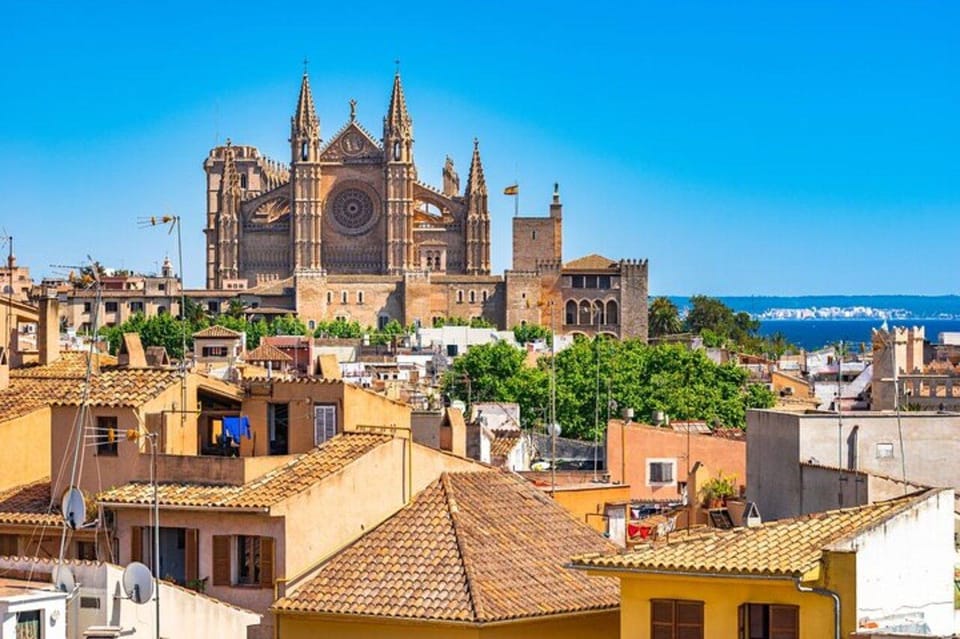
You may then head toward Plaça de Santa Eulàlia and the Basílica de Sant Francesc. These stops matter because Palma’s religious landmarks aren’t isolated. They shape the geography of the city and anchor it culturally.
In a walking tour, churches can go two ways: either you get a quick exterior glance, or you get enough context to understand why people cared enough to build and maintain these spaces. With a guide focused on history and architecture, you’re more likely to get that second experience.
Also, Santa Eulàlia as a plaza stop helps with wayfinding in your mind. After you see the square and nearby religious architecture, you’ll usually recognize the area more easily later while self-guided strolling.
Ca’n Joan de s’Aigo: a local stop that adds texture
The itinerary may include Ca’n Joan de s’Aigo. Even without spending a huge chunk of time there, stops like this add “texture” to a city tour—personal stories and local identity can make Palma feel more like a lived-in place instead of a postcard.
If you like history that feels human-sized—buildings connected to local characters and everyday culture—then this is the kind of stop you’ll appreciate. It helps round out the tour after the larger landmark visits.
Because the route is customizable, you might find the guide uses this stop to match your interests. If your priority is architecture, it may get more attention. If your priority is broader historical framing, your guide may keep it lighter and move on faster.
A possible shift toward the coast: Playa de Cala Mayor
Depending on your guide’s chosen route, you might also get glimpses toward Playa de Cala Mayor. This matters because Palma isn’t only old stone and plazas. The sea is part of the city’s identity, even when you’re walking far from the shoreline.
A coastal glimpse can reset your brain after indoor or monument-focused stops. It also helps you connect the city’s “why” to the island setting—trade, travel, and the maritime rhythm that shapes life around the Balearics.
If you want a tour that ends with a lighter feeling rather than one more heavy architecture stop, choosing a route that includes a sea-facing shift can be a good idea.
Palau de l’Almudaina and Parc de la Mar: power meets open air
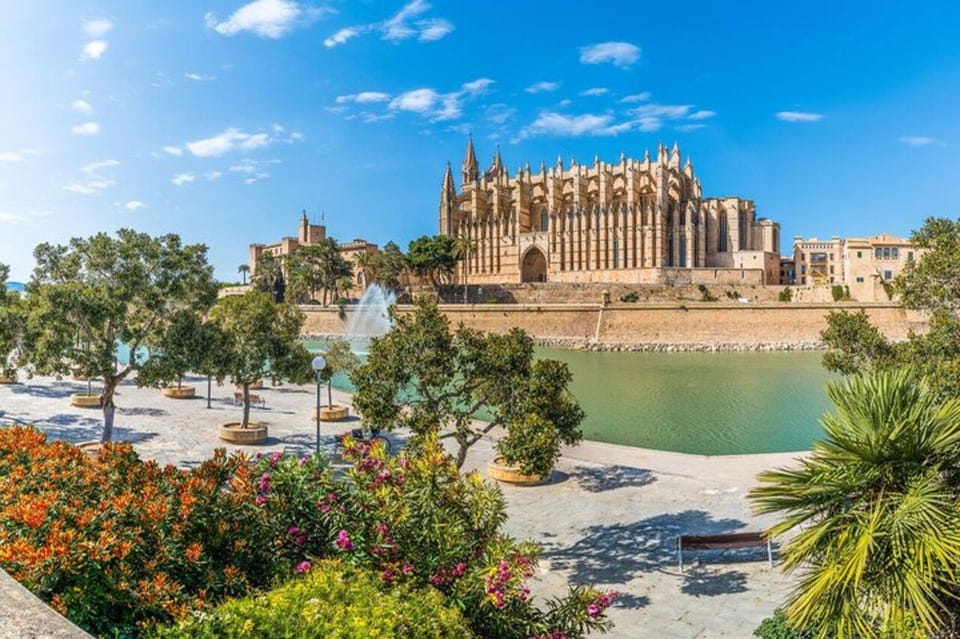
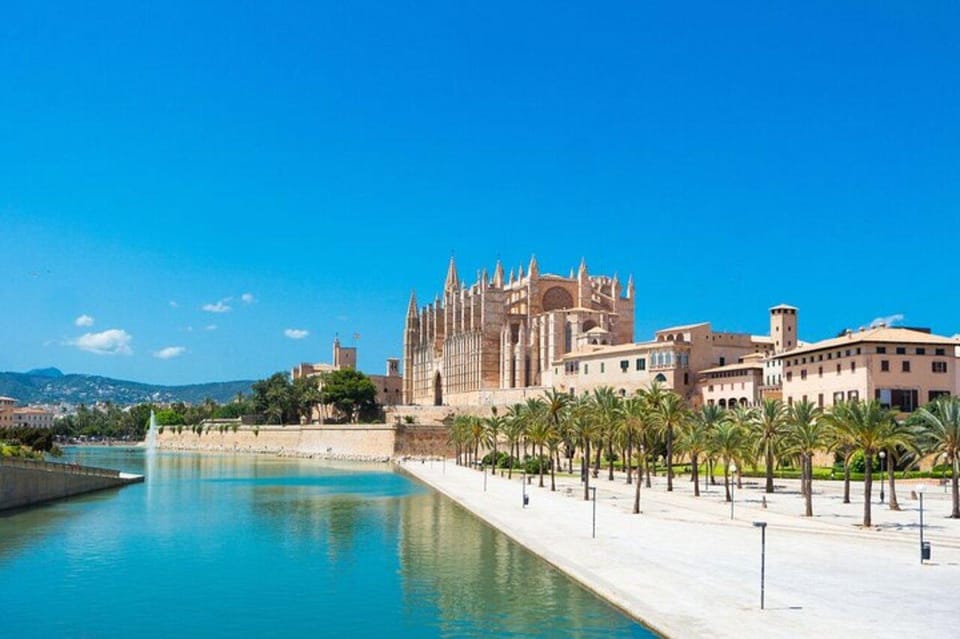
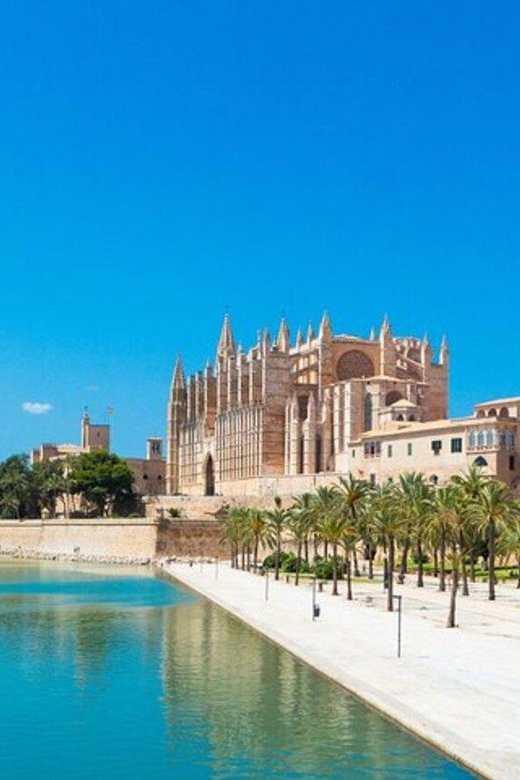
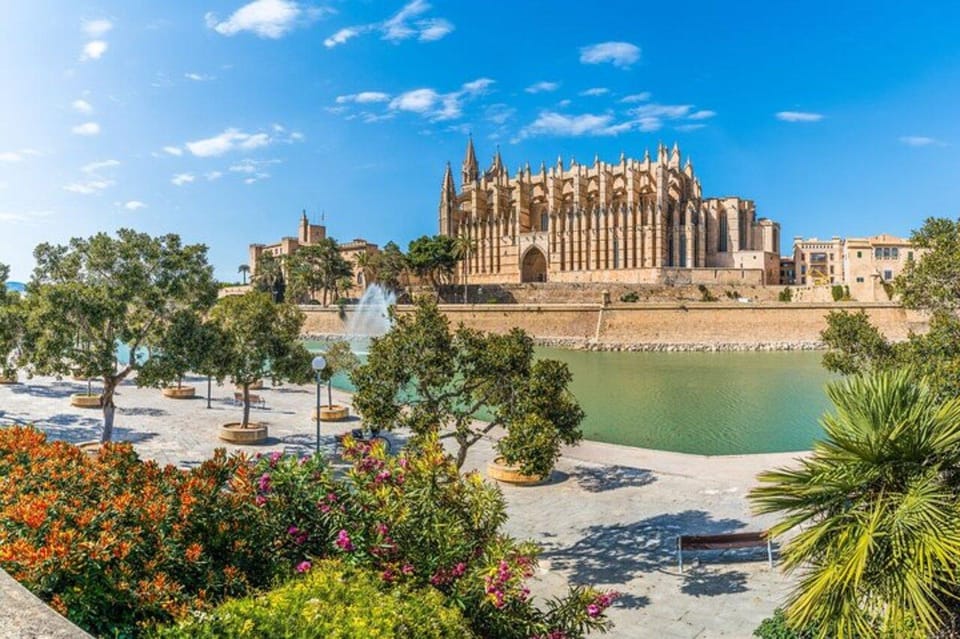
Near the end, you may visit Palau de l’Almudaina and Parc de la Mar. This pairing is smart in a walking itinerary because it gives you two different atmospheres: authority and openness.
Palau de l’Almudaina is the kind of landmark that tends to make you look up and pay attention to surroundings. Then Parc de la Mar gives you space to breathe and take in the view from a park setting.
Even if you don’t linger long, the timing works. Ending with air and scenery helps the whole tour feel complete—like you saw the city’s historic “core,” then you got your reward in open space.
If you’re planning the rest of your day after the tour, this is also where you’ll likely feel most confident continuing on your own, because the area tends to be easier to navigate once you’ve had a guided orientation.
What the guide adds: tailored route + real city advice
The biggest “value” of this experience isn’t only the list of stops. It’s the fact that the guide brings judgment.
In reviews, Jorge asks about major interests and tailors the tour toward what you care about—history and architecture, for example. Frank is praised for turning the walk into a sense of time travel through his history and city knowledge. Sylvie gets strong mentions for passion and sharing secrets of Palma.
One detail I’d treat as a real plus: you might learn cultural notes like traditional Mallorcan fabric motifs and the background of espadrilles and shoes. That sort of thing changes how you see what you buy later. Instead of buying a souvenir, you buy something with context.
And the guide’s advice doesn’t have to stay locked inside the tour. You’ll get suggestions for other parts of the city to see or how to spend time based on your preferences.
Price and logistics: what $39 really buys
The tour is listed at $39 per person for 2 hours. On paper, that’s a straightforward price. In practice, the value comes from the mix of things included:
- Private and exclusive: you’re not sharing with strangers
- Customization: your guide can focus on your interests
- Walking and public transport: you can cover more ground without turning it into a long hike
- Ticket help: the team can help book tickets for visits you want included
What’s not included is food and drinks. Also, ticketed interiors like the Arab Baths/Roman baths can involve small extra costs, depending on what you choose to enter.
So here’s how I’d think about it: if you’re spending time in Palma for a short stay, a guided 2-hour chunk can save you from wasting hours figuring out what’s worth it. If you’re a total self-guided planner, it might feel less necessary. But if you want context and direction, $39 for a private focus is usually fair.
Who should book this Palma walking tour
This tour is a great fit if:
- you want Old Town highlights without losing time
- you like history and architecture explanations while you walk
- you want a guide’s recommendations for the rest of your day
- you prefer a private group instead of a crowded group pace
It may be less ideal if:
- you hate walking and want long, car-based sightseeing
- you only want free-exterior photo stops and don’t care about ticketed interiors
One more note: the tour guide availability includes English, French, Italian, German, and Spanish. The tour is also listed as wheelchair accessible, which is helpful if you need that option.
Should you book this tour?
Yes, if your goal is to understand Palma quickly and then explore with more confidence. The best argument is the guide’s ability to steer the experience—private format, customized focus, and a strong emphasis on history/architecture in the way guides like Frank and Jorge are praised for doing.
If you’re the kind of traveler who likes small culture details (like Mallorcan motifs and espadrilles/shoes context), this is also the type of tour that tends to pay off beyond the main monuments. Just expect a possible small add-on for ticketed stops like the baths, and wear shoes you can handle for two hours of city walking.
FAQ
FAQ
How long is the Palma walking tour?
The tour lasts 2 hours.
Where does the tour start and end?
It starts and ends at Pg. del Born, 4.
Is the tour private?
Yes. It’s private and exclusive, so there won’t be anyone else in your group.
What sites will we see during the tour?
You’ll visit Palma Old Town, Plaça de Cort, Convent de Santa Clara, Arab Baths, and La Bodeguita del Medio de La Lonja. Depending on the route, you may also see Plaça de Santa Eulàlia, Basílica de Sant Francesc, Ca’n Joan de s’Aigo, Convent de Santa Clara again, Palau de l’Almudaina, Parc de la Mar, and possibly Playa de Cala Mayor.
What’s included in the price?
The tour includes the walking tour and public transport (unless you select an option that changes this), customization, private/exclusive guiding, and help from the team to book tickets for desired visits.
What languages are the guides available in?
The live tour guide is available in English, French, Italian, German, and Spanish.