REVIEW · MALLORCA
Palma: Mediterranean Cooking Class with Drinks
Book on GetYourGuide →Operated by Sailpalma.com · Bookable on GetYourGuide
Sizzle, laughs, and great wine in Palma. I like this hands-on cooking setup because you’re actually working at the counter, chopping and cooking with the chef team, not just watching. I also love the drink side of the experience: an open bar with wines (often including Prosecco vibes) that keeps things lively while you eat.
The one thing to plan around: there is no vegan food, so if that matters for your group, this may not be the right fit.
In This Review
- Key things I’d circle on your planning list
- Entering Omare in Plaza Olivar: where the class starts
- The warm-up drink: how the chefs set the tone fast
- Mediterranean fusion in plain language: what you’re actually learning
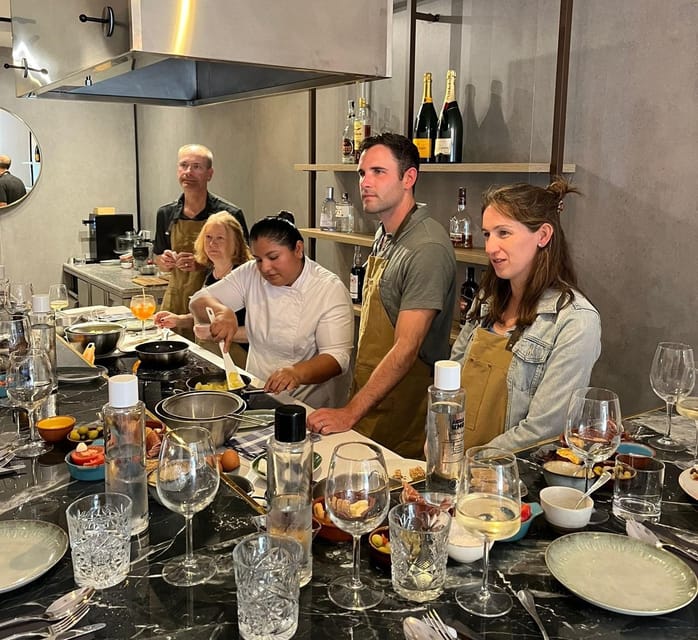
- Cooking stations: chopping, sautéing, and taking turns with the group
- The “farm-to-table” part: what ingredients you’re likely to use
- The meal itself: multiple courses and a reason to slow down
- Open bar with your food: why the drinks feel integrated, not random
- Hosts and chefs: what makes this class feel welcoming
- Price and value: is $105 worth it?
- Who should book this class (and who should think twice)
- Should you book the Palma Mediterranean Cooking Class at Omare?
- FAQ
- How long is the cooking class in Palma?
- What does the $105 price include?
- Are drinks included?
- Does the class have vegan options?
- What languages are the instructors?
- Where do I meet the instructor?
- Can I cancel for a refund?
- Is it wheelchair accessible?
Key things I’d circle on your planning list
- Open-bar drinks with the meal: water, soft drinks, wines, and beer are included.
- Chef-led Mediterranean fusion: you’ll learn how traditional flavors get mixed with international touches.
- You cook, not just taste: plenty of hands-on prep and cooking time for the group.
- Fresh island ingredients: market-fresh fish, hand-picked vegetables, and local farm goods show up in the dishes.
- Some standout flavor combos: ceviche with leche de Tigre and yuzu sorbet show up in the menu stories people share.
- Recipes go home with you: ingredients, cooking materials, and recipes are included.
Entering Omare in Plaza Olivar: where the class starts
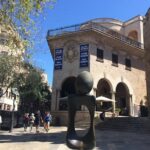
This class meets at Omare, in Plaza Olivar, Palma. Your chef/instructor meets you with a name card at the entrance of the cooking class section at Omare, Plaza Olivar No. 5, local 4.
No hotel pickup means you’ll want to arrive a few minutes early, ready to walk in and settle. The good news: once you’re inside, the flow is easy. People consistently describe the event as well organized, with the hosts quickly getting the group cooking.
If you’re arriving from central Palma, give yourself a small buffer for finding the exact spot. One or two people mentioned the signage wasn’t obvious at first. In practice, that’s usually solved by a quick look around the entrance area and asking staff where the cooking section is.
You can also read our reviews of more cooking classes in Mallorca
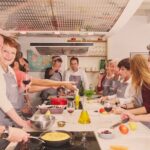

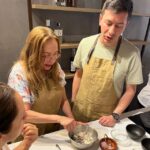
The warm-up drink: how the chefs set the tone fast
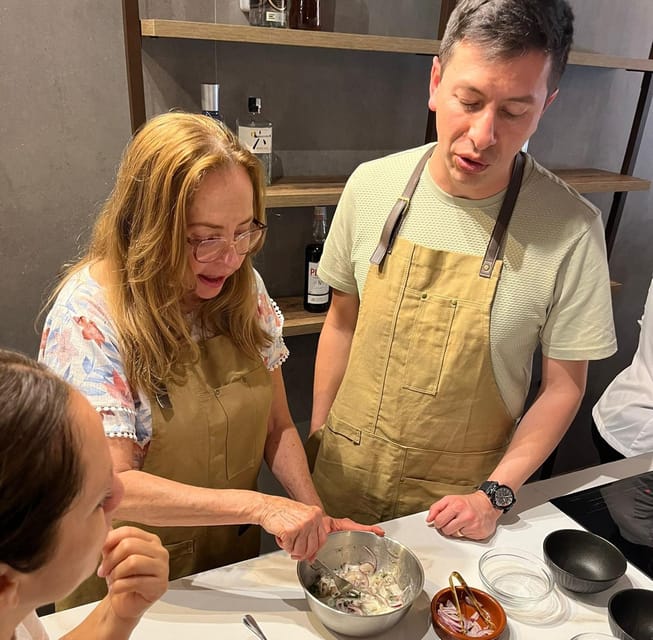
Right after you meet the chef/instructor, you start with a drink. Think of it as a social kickoff: you’re getting comfortable with the team and the room before you take the first knife to anything.
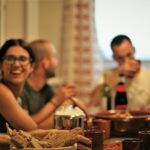
From what people say, this is where the vibe kicks in. There’s music in the background, and the hosts keep the atmosphere relaxed—more like a fun shared dinner project than a formal cooking school. This matters because it lowers the stress. If you’re nervous in kitchens, the early drink and friendly introductions help you find your footing quickly.
Also, the included open bar is a real part of the experience. You’re not hunting down drinks between courses. You chop and sauté, then you taste, then you cook again, and the drink stays with the rhythm of the meal.
Mediterranean fusion in plain language: what you’re actually learning
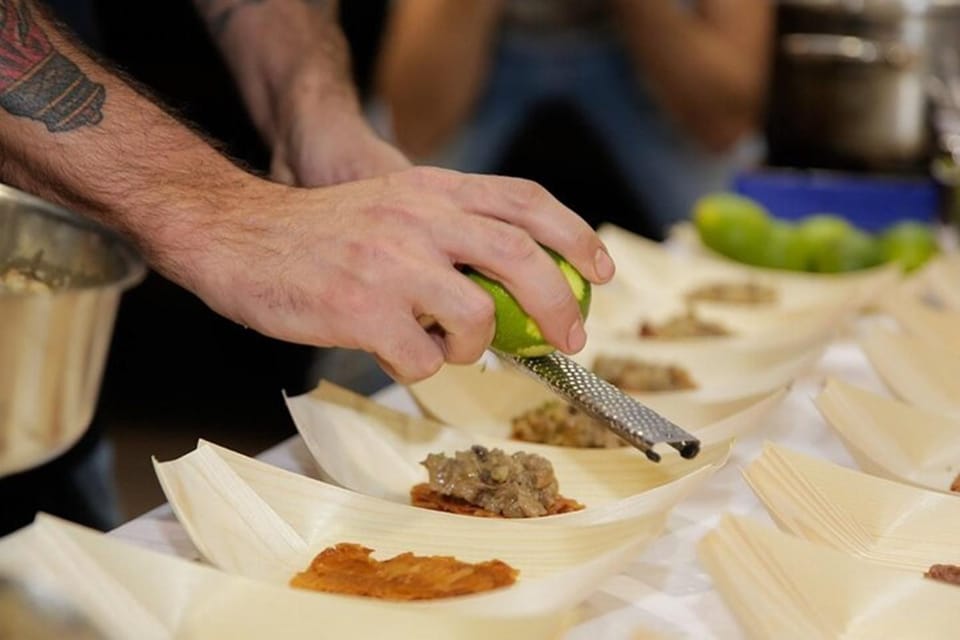
Mediterranean fusion here isn’t just a marketing phrase. It’s a way of building meals that still feel Mediterranean—olive oil, vegetables, fish, bright acidity—while adding outside influences that create surprises.
I like that the class framework explains the idea behind the fusion mix. People mention learning the history of Mediterranean fusion cooking from local chefs. That gives the food context, so you’re not guessing why a sauce tastes the way it does or why an ingredient shows up with something you’d expect to be more traditional.
In practical terms, you’ll see fusion most clearly in the menu. People have mentioned Peruvian-style touches such as ceviche with leche de Tigre, plus dessert moments like yuzu sorbet. Those kinds of flavors teach you how to balance citrus, freshness, and seasoning in a Mediterranean base.
If you’re the type who likes to recreate meals at home, this matters. You’ll leave with recipes, yes—but you’ll also understand the logic behind the flavor choices.
Cooking stations: chopping, sautéing, and taking turns with the group
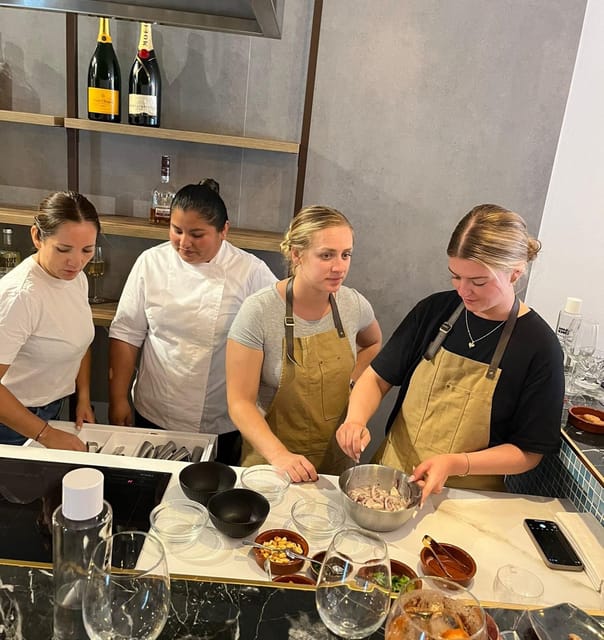
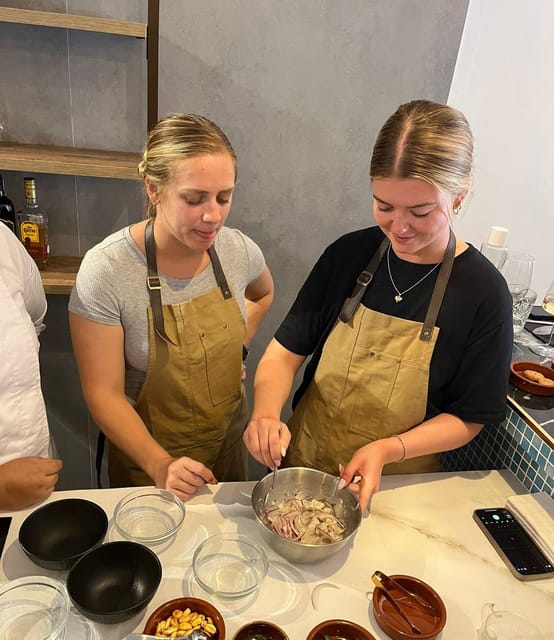
After the initial drink and introductions, you get moving at the cooking stations. The class is structured so you’re working on real tasks—chopping, sautéing, and preparing ingredients—while the chef team explains what’s happening.
A key detail: in a few experiences like this, everyone can feel a little split between cooking and tasting. Some people specifically noted you don’t necessarily cook every single course start-to-finish. Instead, the work is shared and rotated.
That’s not automatically a problem. If you’re with friends, it’s a good setup for learning as you watch each other’s steps. If you want maximum knife time for every course, you should go in with the expectation that the team will guide, and your participation will likely be distributed across the menu.
Either way, the overall theme is hands-on. People consistently mention everyone gets a chance to participate in the prep or cooking process, not just observe.
The “farm-to-table” part: what ingredients you’re likely to use
You’ll be cooking with ingredients described as local and island-focused. The class setting centers on market-fresh fish, local farm goods, and hand-picked vegetables.
This is one of the biggest values of the experience. Even if you’ve cooked before, you’ll often learn something from the way ingredients are handled. Fish and vegetables cook fast in Mediterranean-style cooking, and timing makes a difference. The chef team’s guidance helps you avoid the common home-cook problems: overcooking fish, soggy vegetables, or sauces that lack enough brightness.
And because you’re using fresh ingredients, the flavors come through clearly during tasting. People talk about the quality of the food, not just the novelty of “a cooking class.”
You can also read our reviews of more tours and experiences in Mallorca



The meal itself: multiple courses and a reason to slow down
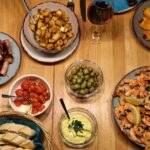
The meal is built around Mediterranean fusion dishes, with multiple courses and plenty of food. People mention 5 courses plus appetizers, and they describe portions as generous enough to leave fully satisfied.
Here are a few items that have been mentioned in the menu stories people share:
- Spanish-style classics such as tortilla
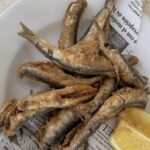
- Ceviche with leche de Tigre (a bright, citrus-forward surprise)
- Paella as one of the featured dishes
- Yuzu sorbet as a standout dessert finish
I like that the class doesn’t treat dessert as an afterthought. You’ll often see a dessert included that brings a clean, refreshing ending, which is perfect after richer dishes like paella.
During the meal, you’re eating while you learn. That’s the practical magic: you taste, then you connect flavors to technique. It’s easier to remember what you did wrong (or right) when you can taste the result instantly.
Open bar with your food: why the drinks feel integrated, not random
The included open bar covers water, soft drinks, wines, and beer. That’s already a solid deal for 3 hours.
What makes it work here is pacing. People describe the drink flow as plentiful, with wine and sometimes Prosecco mentioned specifically. Since the class is hands-on and the meal is multi-course, drinks don’t feel like an add-on. They feel like part of the evening’s structure.
Two practical notes:
- If you’re planning to walk afterward, keep an eye on alcohol pace. You’ll still want to enjoy Palma’s streets after.
- If you prefer non-alcohol options, water and soft drinks are included, so you’re not pushed into wine just to stay comfortable.
Hosts and chefs: what makes this class feel welcoming
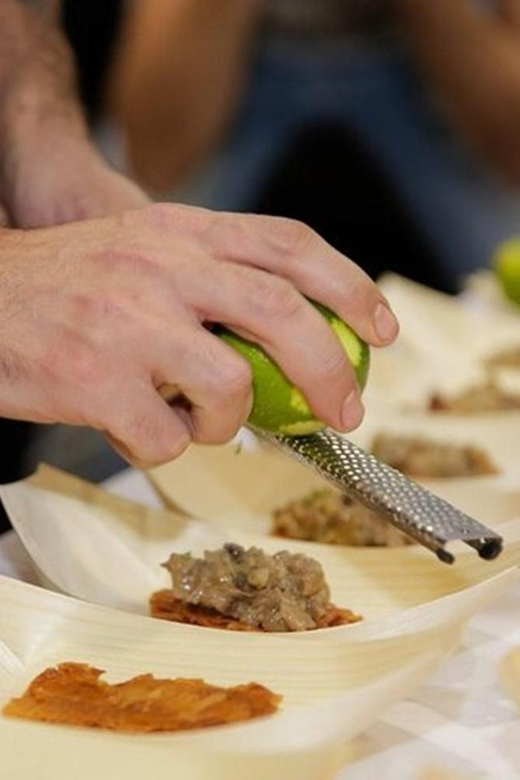
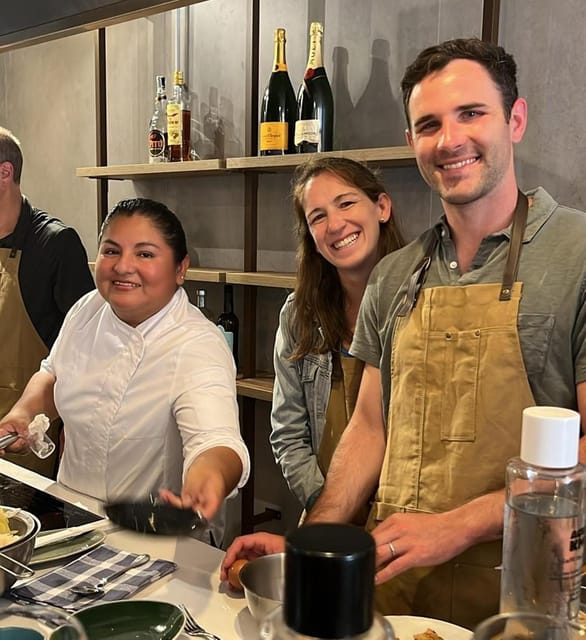
The most repeated praise is about the people running it. Friendly, accommodating hosts who keep things relaxed are a big reason the class lands so well.
Names that come up in people’s accounts include:
- Chef Aurelia and Laura
- Charlotte (host) alongside a chef team
- Chef Lorena
- Isabel and team (with hosts assisting)
- Mily, mentioned as part of the welcome and service
I like that this matters for more than just fun. When instructors are approachable, you ask questions without feeling like you’re “bad at cooking.” That improves learning fast—especially if you don’t cook often.
Also, people mention the group is small and the atmosphere is social. Some accounts describe 4–5 person groups, while others mention larger groups around 9. Either way, it doesn’t seem like a big factory class.
Price and value: is $105 worth it?
At $105 per person for 3 hours, this class is competing in the “experiential meal” category. In that space, the real value question is simple: what’s included besides cooking instruction?
Here, you get:
- A chef-led cooking class with local cuisine experts
- Food (multiple courses plus appetizers in people’s descriptions)
- An open bar (water, soft drinks, wines, beer)
- Ingredients, cooking materials, and recipes
When drinks and ingredients are included, the price becomes less about paying for “watching cooking” and more about paying for a full evening meal plus guidance. The open bar alone can offset a lot if you’d otherwise spend on wine with dinner.
So if you want a hands-on dinner experience in Palma—with recipe take-home and included drinks—this often feels like fair value.
Who should book this class (and who should think twice)
This is a great match if you:
- Want a fun, social night in Palma that still teaches something real
- Like Mediterranean flavors and want to learn how fusion versions work
- Enjoy wine with dinner and don’t want to manage drink logistics
- Prefer small-group energy over a huge classroom
It may be a weaker match if you:
- Need vegan food (there’s no vegan food here)
- Have shellfish or other allergy needs where alternatives aren’t guaranteed for every dish
If allergies are relevant for your group, I’d treat it as a must-do step before you go. One account mentioned an allergy situation where an alternative wasn’t offered for a main dish, so don’t assume. Message them early so they can plan if possible.
Should you book the Palma Mediterranean Cooking Class at Omare?
If you want a lively Palma evening with real cooking time, fresh ingredients, and included wine, I think you’ll be happy with this. The consistent strengths are the welcoming hosts, the quality and generous amount of food, and the fact that the experience feels social without sacrificing instruction.
Skip it only if vegan food is required, or if your dietary needs are complex enough that you can’t risk the wrong dish landing in front of you. Otherwise, this is an easy “yes” for couples, small groups, and solo travelers who like meeting people while learning to cook.
FAQ
How long is the cooking class in Palma?
The experience runs for 3 hours.
What does the $105 price include?
It includes the cooking class with local cuisine experts, food, an open bar (water, soft drinks, wines, and beer), ingredients/cooking materials, and recipes.
Are drinks included?
Yes. The open bar includes water, soft drinks, wines, and beer.
Does the class have vegan options?
No vegan food is included.
What languages are the instructors?
The instructor is available in English and Spanish.
Where do I meet the instructor?
Meet at Omare in Plaza Olivar, Palma, at the entrance of the cooking class section. The address listed is Plaza Olivar No. 5, local 4.
Can I cancel for a refund?
Yes. You can cancel up to 24 hours in advance for a full refund.
Is it wheelchair accessible?
Yes, the experience is listed as wheelchair accessible.