REVIEW · MALLORCA
Palma de Mallorca: Spanish Cooking Experience
Book on GetYourGuide →Operated by MOLTAK | The windmill kitchen | · Bookable on GetYourGuide
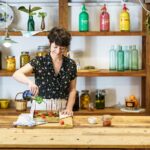
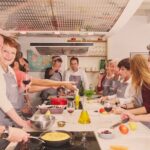
Paella in a real Palma windmill kitchen. This 3-hour cooking class happens inside a restored historic windmill kitchen in the heart of Palma de Mallorca, with English- and Spanish-speaking hosts such as Vivian, Riccardo, and María guiding you through the menu. You’re not stuck watching from the side either—you cook alongside your group from start to finish.
What I really like is the 5-course Spanish menu you make together, then eat right afterward at a big shared table. You also get recipes to take home, so the class doesn’t end when you leave the windmill—useful if you want to recreate the flavors later.
One thing to think about before you book: there are no vegan options. Paella can be meat or vegetarian on request, but the menu isn’t built for vegan diets.
In This Review
- Key points worth your attention
- The windmill kitchen: where Palma’s cooking class feels real
- The 5-course Spanish menu you’ll actually cook
- Paella in a hands-on way: seafood plus technique
- Tortilla and sobrasada: the classics with real personality
- Catalan cream: dessert you can rebuild at home
- The open bar and meal table: why it changes the tone
- Price and value: what you’re really paying for at $136
- Who should book this Spanish cooking class (and who should pause)
- Getting there smoothly and enjoying Palma after
- Should you book the Palma windmill cooking experience?
- FAQ
- How long is the Spanish cooking experience in Palma de Mallorca?
- What dishes are included?
- Is there an open bar?
- Can I get a vegetarian paella?
- Are vegan options available?
- Where do I meet the group?
- Is pickup included from my hotel?
Key points worth your attention
- A restored 16th-century flour windmill as your classroom, in central Palma.
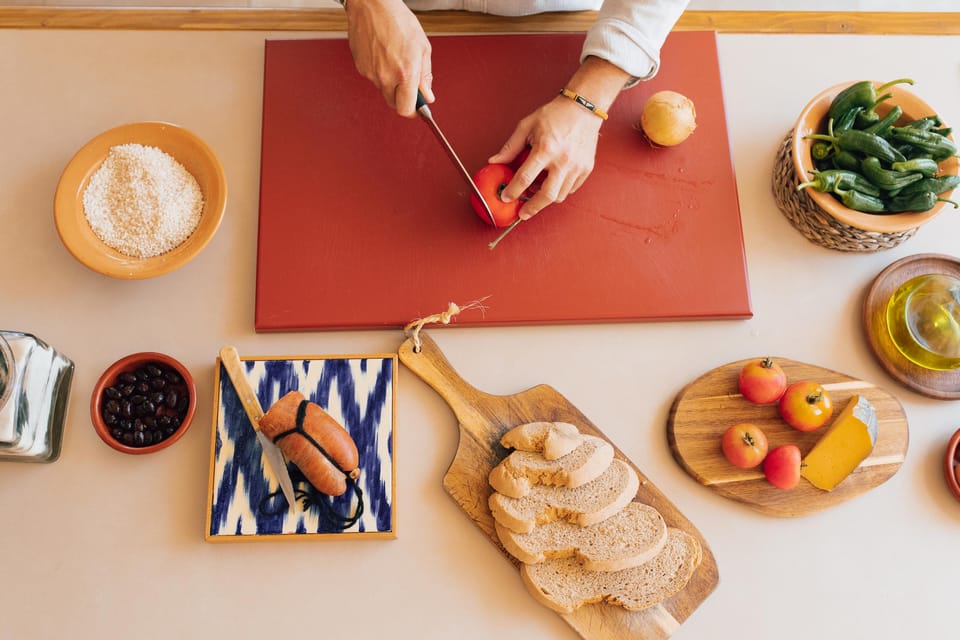
- Five dishes cooked hands-on, including sobrasada starter, tortilla, paella, and Catalan cream.
- Open bar during the experience: local beer, wines, water, and soft drinks.
- Small groups (up to 10) so you actually get help while you’re cooking.
- Recipes to take home, plus tips you can repeat at home.
- English and Spanish instruction, with hosts known for keeping it friendly and participatory.
The windmill kitchen: where Palma’s cooking class feels real
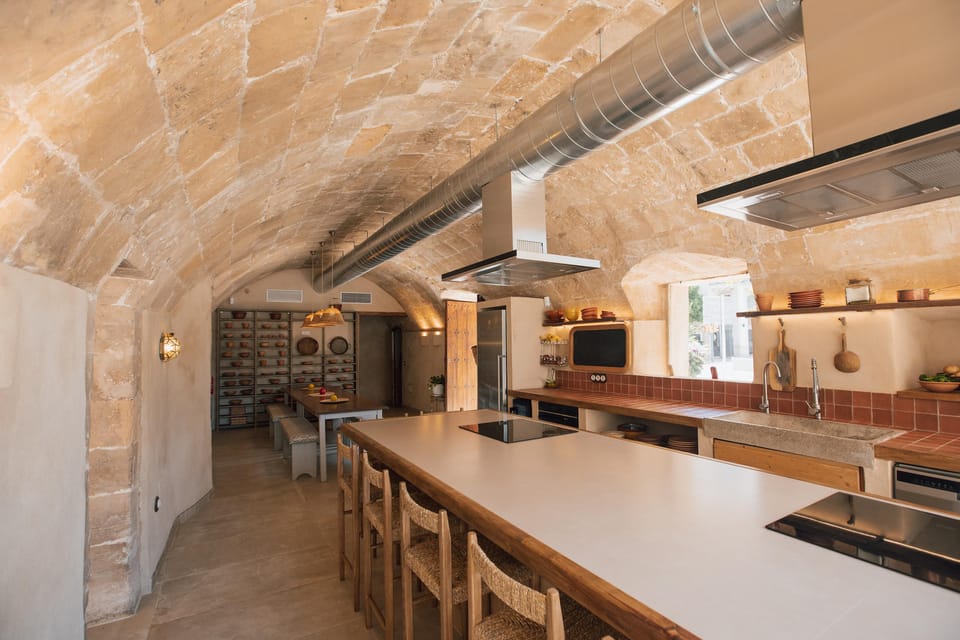
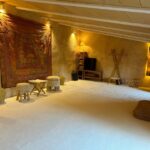
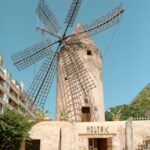
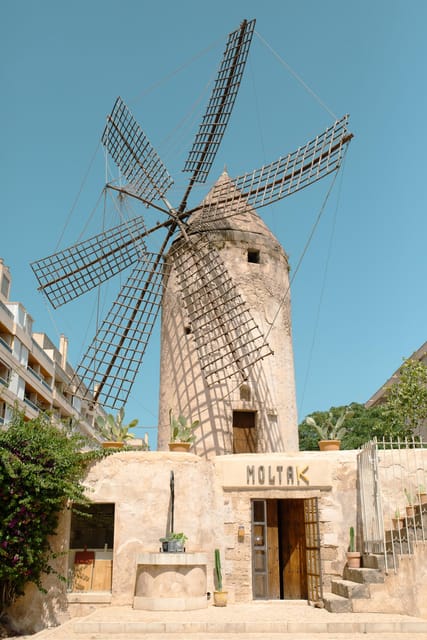
The biggest reason this class works (and why people remember it) is the setting. The kitchen is inside a restored flour windmill, built around the 16th century, in Palma de Mallorca’s central area. It’s the kind of place that makes food feel tied to place—wind, stone, and a kitchen setup that’s built for real work, not just staged photos.
You’ll meet at Carrer Industria 9, 07013 Palma de Mallorca, at the first windmill. The team asks you to arrive about 5 minutes early so everyone can start together. That’s not just good manners—it matters because the class is only 3 hours, and the group stays small.
Location tip: the provider recommends getting there by foot, bicycle, or bus to avoid traffic. If you drive, the nearest parking is Parking Paseo Mallorca (about 3 minutes’ walk). If you’re arriving by car, give yourself extra time because street and lot traffic can slow you down.
The no-hotel-pickup setup is simple: you come to the meeting point on your own, and the activity ends back there. That actually gives you freedom afterward—you can head straight into Palma’s evening plans without coordinating a return ride.
You can also read our reviews of more cooking classes in Mallorca
The 5-course Spanish menu you’ll actually cook
This isn’t a “tour + tasting” in disguise. The core of the experience is a hands-on class where you learn a traditional Spanish menu and then share the meal. The menu is described as a 5-dish Spanish course built around classic flavors across Spain and then anchored in Mallorca.
Here’s what you can count on being part of your session:
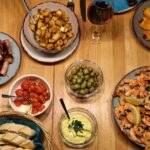
- Welcome snacks with island local appetizers
- A sobrasada appetizer (served as part of the menu)
- Spanish tortilla (the classic omelet-style dish)
- Paella, with seafood as the default style, plus meat or vegetarian on request
- Cream Catalan for dessert
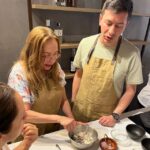
Your hosts guide you through techniques and tricks that work in a real home kitchen, not just in restaurant kitchens. The class is designed to be open to everyone, and it can be adapted depending on your comfort level. So even if you’re not a regular cook, you’re not expected to “know the basics already.” The teaching style is built around doing steps together, asking questions, and correcting as you go.
One thing I’d plan for: this is a cooking class, so you’ll be standing, chopping, and moving. It’s not an ultra-long marathon, but it’s also not a quick stroll through tapas.
Paella in a hands-on way: seafood plus technique
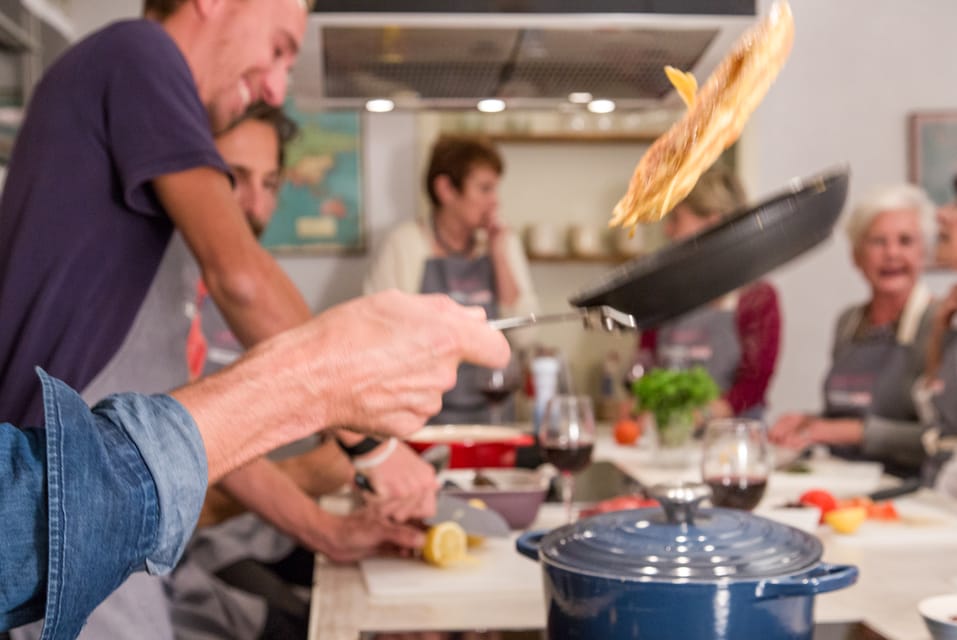
Paella is the headline dish, and the class treats it like more than a final plate. You’ll work on the home-style steps that make paella feel approachable: prepping ingredients, learning how the dish comes together, and understanding what you’re aiming for while cooking.
The paella included is described as seafood paella, and the provider notes you can request a meat or vegetarian version. That’s a big deal if you don’t want seafood as your main flavor.
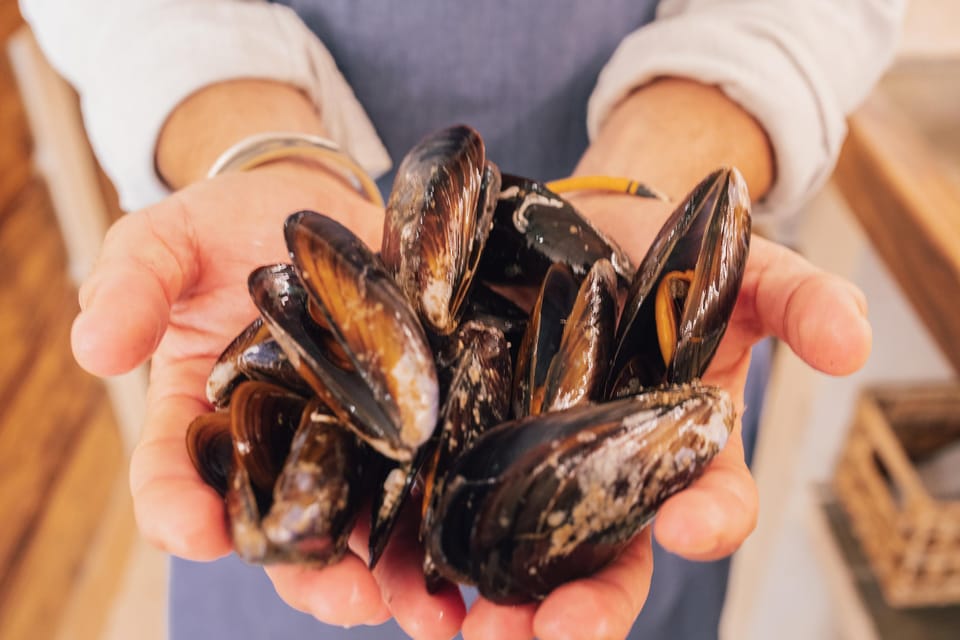
One practical advantage: you get a chance to learn small prep skills that most food tours never teach. In the paella portion, people have specifically mentioned learning basics like cleaning squid and mussels for the paella. Even if your group’s exact prep steps vary, the point stays the same: you’ll learn what matters so you can make a similar dish later without guessing.
What this format gets you:
- You see the process in motion, not as a finished product
- You learn which steps are worth slowing down
- You get tips that can save a batch at home (like how to handle ingredients and keep things tasting balanced)
If you love paella but hate the stress of cooking it, this class is a solid choice because it turns paella from a mystery into a set of learnable steps.
Tortilla and sobrasada: the classics with real personality
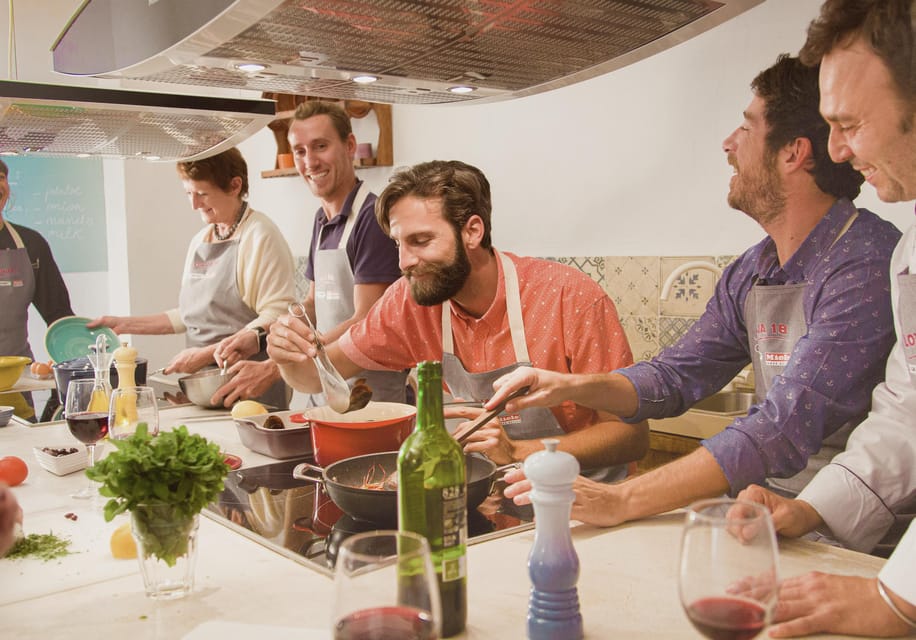
The sobrasada and tortilla pieces are where the experience shows its Spanish roots, not just its “paella focus.”
Sobrasada is a distinctive cured sausage from the Balearic Islands area, and it’s the kind of starter that instantly tells you what local flavor means here. You won’t just taste it—you’ll be part of the menu that builds around it.
Then comes the Spanish tortilla. This isn’t the plain omelet approach some people expect. It’s a home classic with technique behind it, and the class format makes that technique usable. You’ll get guided steps and tips while you cook, which is what you want if your goal is to reproduce the dish later.
What I like about including tortilla and sobrasada in the same menu is pacing. Paella takes time and attention; tortilla is more immediate and gives you a confidence boost. It also helps the whole meal feel connected instead of like four unrelated dishes on a plate.
Also, since the course is taught in English or Spanish, you’re not stuck translating in your head. You can ask questions right while you’re cooking.
Catalan cream: dessert you can rebuild at home
Finishing with cream Catalan matters more than it sounds. Many cooking classes serve dessert, sure, but this one puts Catalan cream right at the end of your work. You learn how it’s made and then sit down together to eat what you cooked.
The practical win is that Catalan cream is one of those desserts that feels impressive without being impossible once you know the method. After this class, you’re not just able to say you tried it—you can recreate it.
You’ll also get the emotional payoff the Mediterranean table is famous for. After cooking, you sit at the big dining table and share the meal. That shared moment is where the class stops feeling like a workshop and starts feeling like a social evening.




The open bar and meal table: why it changes the tone
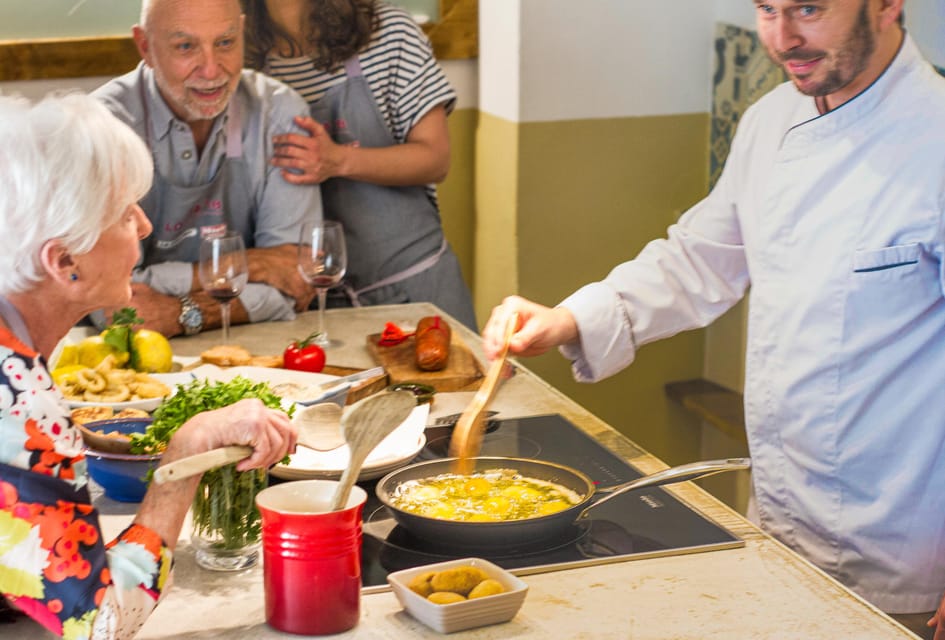
Food classes can be either strict (cook, plate, leave) or social (taste, chat, repeat). This one leans social without losing structure.
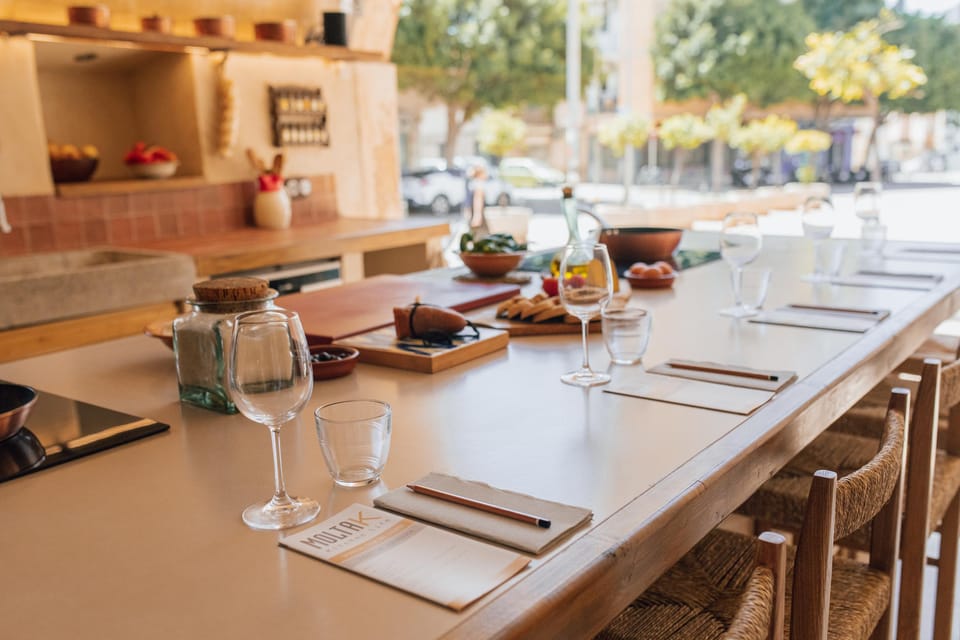
You’ll have an open bar that includes water, soft drinks, local beer, and wines. That matters because it keeps the meal relaxing. You’re not squeezing in “one quick sip” either—you’re settling in after cooking to enjoy the food you made.
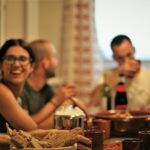
You’ll also eat as a group, not on your own schedule. In a small group (up to 10), that shared table makes conversation easy. People have called out the home-like atmosphere, and I get why: the format is built around teamwork at the stations, then a communal meal afterward.
One more small detail that helps: welcome snacks of island local appetizers show up early, so you’re not waiting to feel like you’re part of the experience.
Price and value: what you’re really paying for at $136
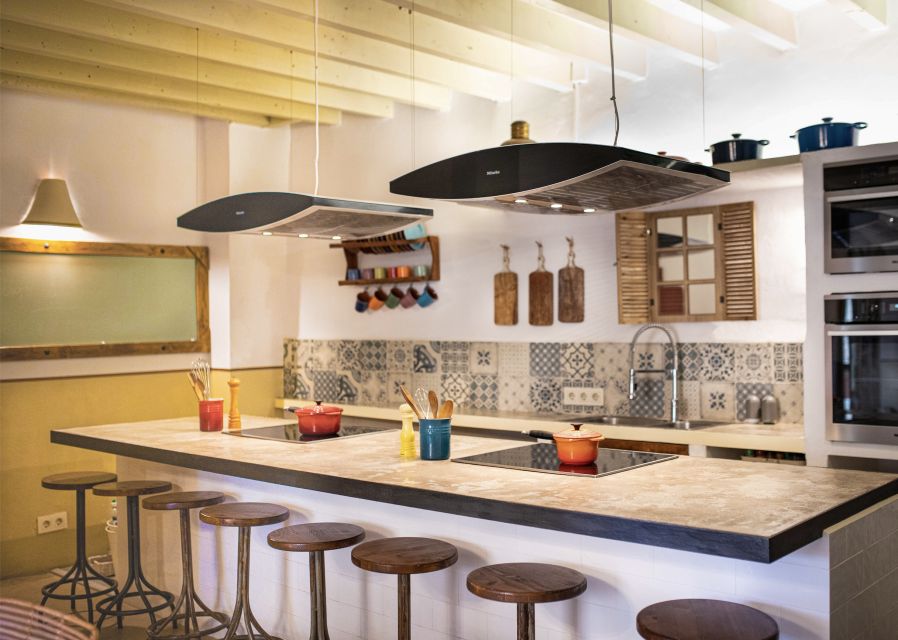
At $136 per person for a 3-hour class, it’s normal to wonder if it’s “too much” compared with buying food in Palma. Here’s the value breakdown that makes this price easier to justify.
You’re paying for:
- A small-group, hands-on cooking experience (not a big group demo)
- A real historic building setup (windmill kitchen, central Palma)
- Instruction in English or Spanish
- A full five-dish menu with the dishes listed above
- An open bar (local beer and wines, plus non-alcoholic drinks)
- Recipes you can take home
Now compare that to the alternatives:
- If you pay restaurant prices for paella, tortilla, and dessert, you usually miss the teaching and the “how it’s made” part.
- If you book a basic tasting tour, you may get food and stories, but you won’t get the kitchen steps, and you won’t leave with recipes you can actually use.
This class also gives you time value. You spend 3 hours doing a full meal plus cooking practice. It’s a concentrated Mallorca experience without needing extra transport or tickets on top.
If you’re a solo traveler, the value can be even better because the small group size makes it easier to connect. If you’re traveling as a couple or with friends, it’s a shared activity you can talk about later (and replicate at home).
Who should book this Spanish cooking class (and who should pause)
This experience is designed for a wide range of cooking comfort levels. It’s described as open to everyone and adaptable. People have also mentioned doing it solo and finding it easy to participate.
It’s a great fit if:
- You want to learn the basics of paella, tortilla, and cream Catalan in a structured way
- You like hands-on travel days instead of only museum time
- You want a small group setting with a shared meal afterward
- You want recipes you can bring home, not just photos
It needs a pause if:
- You need vegan options (none are offered)
- You have mobility limitations that might conflict with the session setup (the activity lists wheelchair accessibility but also says it’s not suitable for people with mobility impairments, so you should check carefully before booking)
Also keep in mind: you’re responsible for getting to the meeting point. If you rely on hotel pickup, this one won’t match that style.
Getting there smoothly and enjoying Palma after
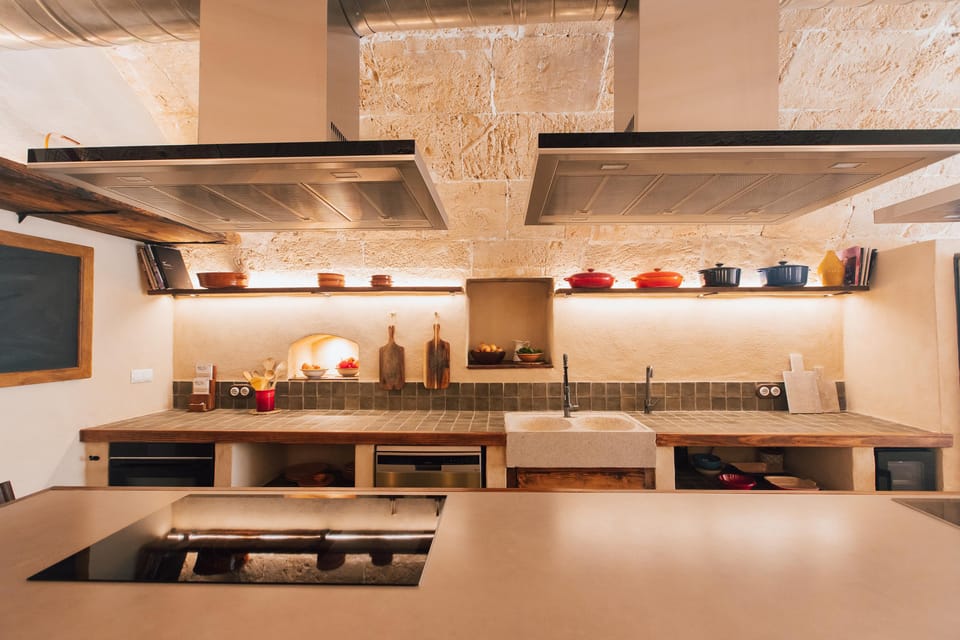
The meeting point is straightforward but easy to miss if you arrive late. The windmill kitchen location is at Carrer Industria 9, and you should look for the first windmill. Arrive about 5 minutes early and you’ll start on time.
If you’re coming on foot or by bicycle, you’ll likely have an easier time than fighting traffic. The area is described with a sustainability-first approach: the provider encourages walking, biking, or bus.
Parking option if you drive:
- Parking Paseo Mallorca is about a 3-minute walk away
- Street parking may require placing a ticket in your car
- If crowds of cars slow you down, plan for extra time (half an hour margin is recommended)
After the class, you’ll be back at the meeting point area, which is helpful if you plan to keep exploring. The location is central enough that it’s easy to find bars and evening plans without a complicated transfer.
Should you book the Palma windmill cooking experience?
I’d book this if you want a Mallorca day that tastes like Spain and teaches you what to do next time. The historic windmill setting, the hands-on 5-dish menu, the open bar, and the fact that you leave with usable recipes make the price easier to swallow. It’s not just eating. It’s cooking, sharing, and learning in a small group.
I’d hesitate only if vegan food is a requirement, or if your mobility needs are complex enough that you can’t comfortably handle the class setup. For everyone else, this is the kind of experience that turns a vacation memory into a skill you can use back home.
FAQ
How long is the Spanish cooking experience in Palma de Mallorca?
The class lasts 3 hours.
What dishes are included?
You’ll be part of a five-dish Spanish menu. Included dishes and items are a sobrasada-style appetizer, Spanish tortilla, seafood paella (meat or vegetarian available on request), cream Catalan, plus welcome snacks of island local appetizers.
Is there an open bar?
Yes. The experience includes an open bar with water, soft drinks, local beer, and wines.
Can I get a vegetarian paella?
Yes. Paella can be made with meat or vegetarian options if you request it when you reserve.
Are vegan options available?
No. The information provided says there are no vegan options.
Where do I meet the group?
Meet at The windmill kitchen, Carrer Industria 9 07013 Palma de Mallorca, at the first windmill. Arrive about 5 minutes before the start time.
Is pickup included from my hotel?
No. Hotel pickup and drop-off are not included.