REVIEW · MALLORCA
Mallorca: Discover Scuba Diving from the boat
Book on Viator →Operated by Avispa Labs S.L. · Bookable on Viator
Trying scuba in Mallorca feels surprisingly doable.
This boat-based scuba try-out pairs a calm land briefing with real water practice in the sun. I especially like that the program includes all equipment and focuses on basics with technique tips before you go under. The only real caution is that you’re sharing the water with a tight group, so if anything about the gear feels wrong, you’ll want to speak up fast—one note I saw wasn’t about the concept, it was about equipment reliability.
You’ll get two structured underwater sessions from a boat, with the first one staying shallow for comfort. The second one can reach up to 12 meters depending on your confidence and the conditions, which makes it feel like a genuine step up rather than a one-and-done experience. Still, this isn’t a certification course, so if you want a long-term training path, you’ll need to plan something else.
In This Review
- Key things that make this Mallorca experience worth your time
- A 4-hour boat program built for first-timers
- The flow: briefing on land, then two underwater sessions from the boat
- Why the land briefing is a big deal
- Session 1: shallow water to learn your equipment fast
- Session 2: up to 12 meters when you feel ready
- Gear, insurance, and why you shouldn’t skip the small-group attention
- Mallorca timing: why a 2:00 pm start can be the sweet spot
- The depth limit and the health requirements: the honest checklist
- Weather is the wildcard on the day
- Price and value: what $290 gets you (and what it doesn’t)
- Who should book this and who should think twice
- Booking practicality: confirmation, language, and tickets
- Should you book this Mallorca scuba try-out?
- FAQ
- How long is the Discover Scuba program in Mallorca?
- What time does it start and where does it meet?
- Is prior scuba experience required?
- What is the minimum age?
- How deep does the second underwater session go?
- How many underwater sessions are included?
- Is this a scuba certification course?
- What is included in the price?
- Are snacks included?
- Is there a weather requirement?
Key things that make this Mallorca experience worth your time
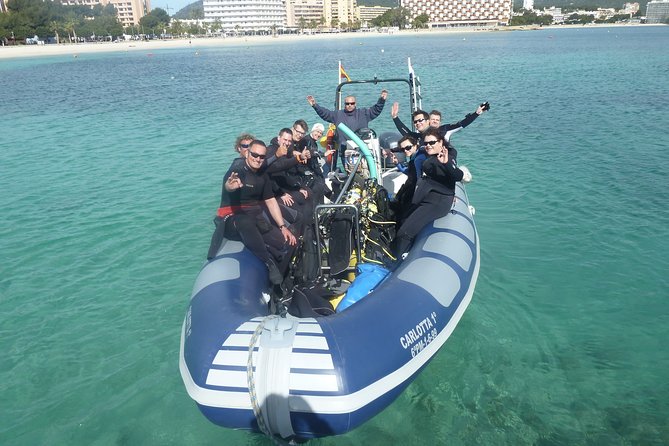
- Small-group instruction keeps you from getting lost in the shuffle
- Full gear included means you can try without buying or borrowing
- Two separate underwater sessions let you build confidence step by step
- Scuba theory on land before you hit the water helps you understand what you’re doing
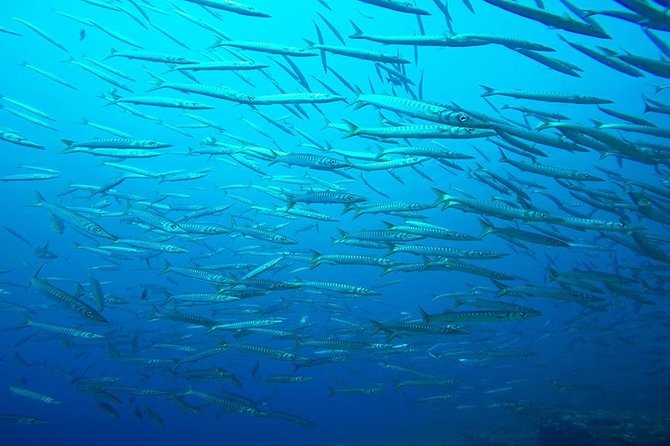
- Up to 12 meters max on the second session gives a real sense of depth
A 4-hour boat program built for first-timers
This is the classic first-try format, made for people who have never done scuba before. You start in Palmanova near public transport, then you’ll spend about 4 hours total moving through briefing time, travel, and two underwater sessions. The start time is 2:00 pm, so you’re not rushed from the morning and you still get a solid afternoon experience.
The biggest practical win here is that the whole structure is designed around comfort and learning. You don’t just get gear and a shrug; you get theory and technique pointers first, then equipment use in shallow water. That combo matters a lot for first-timers because your brain stops panicking about the basics and can focus on breathing, buoyancy control, and following simple instructions.
Price is $290.25 per person, which is not cheap. But when you compare what you’re getting—two underwater sessions from a boat, instruction, equipment, and insurance—the value makes more sense. It’s priced like a guided activity day, not a DIY shore snack.
One more detail that affects your planning: there’s a maximum of 6 travelers for the activity, and the program is described as very small-group underwater instruction (up to four). That usually translates into more time with the guide and fewer delays while everyone gathers together.
You can also read our reviews of more boat tours in Mallorca


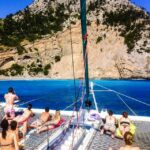
The flow: briefing on land, then two underwater sessions from the boat
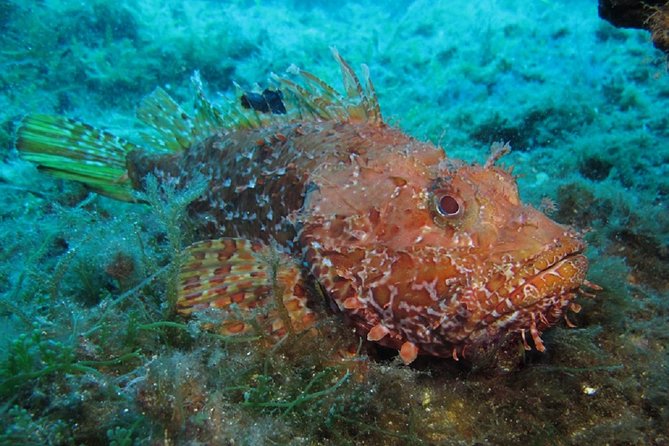
The program runs in a clear sequence. First comes a theory and technique briefing on land. Then you head out by boat to the water area where you’ll do both sessions.
Why the land briefing is a big deal
For first-timers, the biggest fear is often not depth—it’s confusion. The briefing is meant to get you comfortable with how the gear works and what you’ll be asked to do. You also get simple basic theoretical training before you enter the water, so you can link the gear setup to what you’ll actually experience.
The same applies to technique tips. Good guides don’t just say do this; they explain why, and that helps you stay relaxed underwater. When your brain knows what’s coming, you can spend energy on staying calm instead of guessing.
Session 1: shallow water to learn your equipment fast
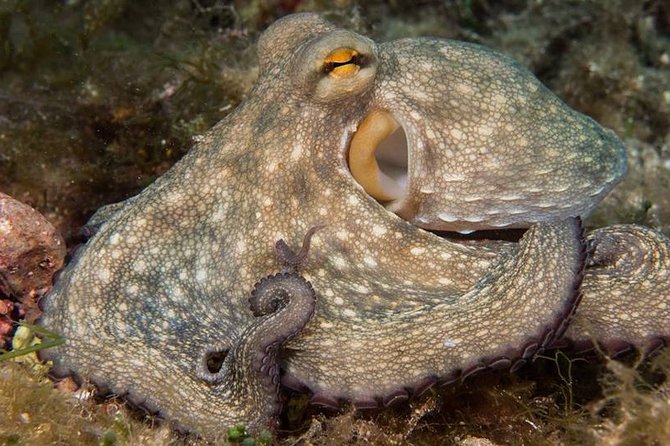
Your first underwater session is in shallow water, which is exactly where you want to start. This is where you familiarize yourself with scuba equipment and run basic exercises. It’s not meant to test you. It’s meant to help you get the hang of breathing through the regulator, using the gear correctly, and following cues without feeling rushed.
The shallow setup also gives you something psychologically important: control. You can focus on simple tasks while the water depth doesn’t create extra pressure. If you’re worried about feeling awkward in gear, this first session is the place to settle in.
This is also the moment where you should listen carefully and communicate. If you feel discomfort or you don’t understand a cue, the best time to fix it is immediately—before you get moved to deeper water. One small negative note I saw centered on equipment not performing properly at the start of someone’s experience. That’s not the whole story, and the overall rating is excellent, but it’s still a good reminder: when gear setup is off, you want attention fast.
Session 2: up to 12 meters when you feel ready
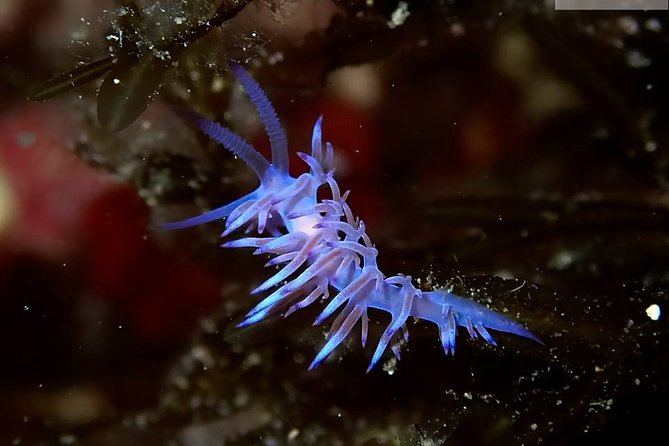
After the shallow warm-up, the second underwater session happens “depending on your comfort and the conditions.” The maximum depth listed is 12 meters. That flexibility is important because it means you’re not automatically pushed to a deeper target. It’s tied to how you’re doing in the moment and what the water is like that day.
In practice, that means if you feel confident and stable, you may get a more satisfying sense of how scuba feels at depth. If you’re still working through comfort, you can stay within what the team considers appropriate. That’s one reason this style of program works better than random one-off attempts.
Still, remember this is a try-out, not training for an official certification. You’ll learn basics and technique pointers, but you’re not here to complete the full skills pathway. If you’re hoping for something that counts toward independent scuba progression, you’ll need to look for a real course after this.
You can also read our reviews of more scuba diving tours in Mallorca
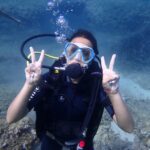
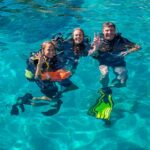

Gear, insurance, and why you shouldn’t skip the small-group attention
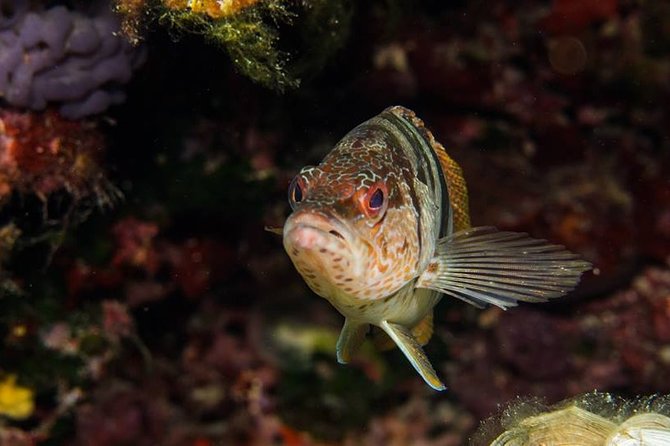
Everything important is included: scuba equipment and scuba insurance, plus simple basic theoretical training before the sessions. For many people, that’s the core value. Buying or renting scuba gear for your first attempt can be a hassle, and gear issues can turn excitement into stress. Here, you get a structured setup for a beginner experience.
The small-group format also matters. The highlights note that limiting underwater groups (up to four) helps you get full attention from your instructor. And the activity cap of six total keeps the overall pace manageable. In a scenario where you’re learning basic skills, more attention usually means fewer misunderstandings and faster corrections.
One thing to keep in mind: even with great instruction, first-timer comfort varies. This isn’t a “sit back and float” tour. You’ll do basic exercises and you’ll need to follow technique cues. If you can handle that, you’ll likely find the experience feels structured and supportive.
Mallorca timing: why a 2:00 pm start can be the sweet spot
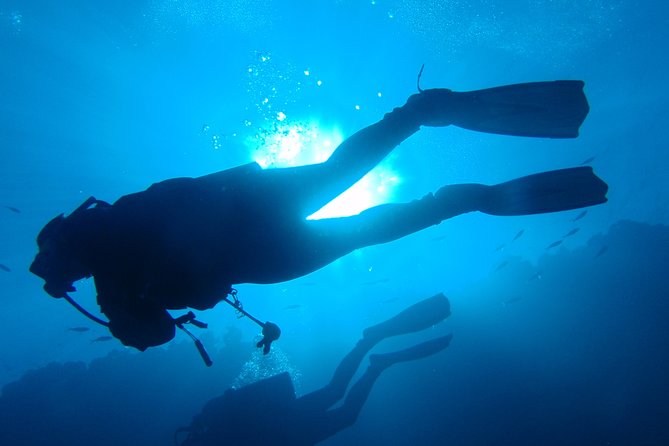
Starting at 2:00 pm is a practical choice. It gives you time in the morning to settle into Mallorca and get ready without panic. It also gives you a daytime window for the boat ride and both underwater sessions within a total ~4 hours.
But time affects comfort, too. Midday hunger can sneak up fast, and the listing says snacks are not included. So plan your day so you’re not hungry right before your briefing. If you do end up needing food, you’ll want it earlier, not during the activity.
Also note the requirement that after participation you should not fly for at least 24 hours. That’s a real planning constraint if you’re moving between cities quickly. I’d treat it like a must-follow rule, not a suggestion.
The depth limit and the health requirements: the honest checklist
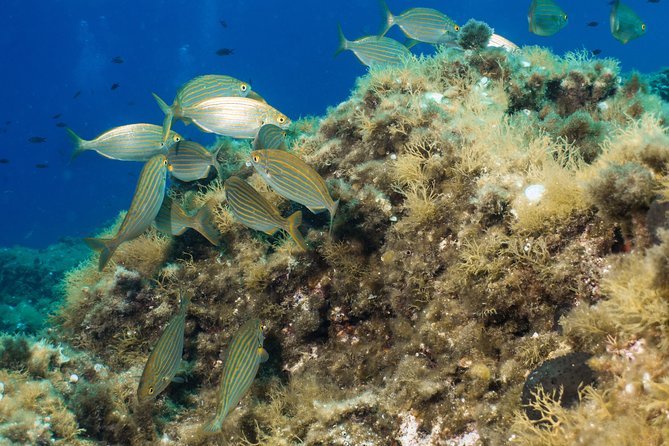
You don’t need prior experience, and the minimum age is 10 years. The program requires good health and adequate swimming skills, plus a moderate physical fitness level. That combination tells you what kind of participant they’re looking for: someone who can stay comfortable in water and follow instructions, even if scuba is new.
If you’re unsure about swimming, don’t “hope it’ll work out.” Adequate swimming skill is explicitly required. Same idea for health: if you have any reason you might not feel up to a guided water activity, check with a medical professional first.
The good news is that nothing in the program setup suggests you must be an athlete. It’s built around first-timers and shallow-to-moderate depth progression. The second session goes to a maximum of 12 meters, but it’s not automatic.
Weather is the wildcard on the day
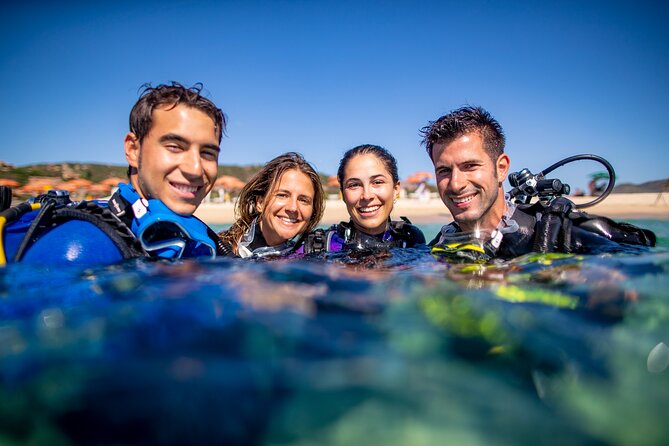
This experience is described as weather-dependent. That’s common for boat-based underwater activities, and it matters because you could have the plan adjusted if conditions aren’t right. The policy notes that if it’s canceled due to poor weather, you’ll be offered a different date or a full refund.
So if you’re building a tight Mallorca schedule, give yourself breathing room. Don’t stack it against another must-do boat outing on a single day. The upside is that you’re not stuck with no options if the sea doesn’t cooperate.
Price and value: what $290 gets you (and what it doesn’t)
At $290.25 per person, you’re paying for more than “someone takes you somewhere.” You’re paying for:
- a land briefing with basic theory
- small-group attention
- two underwater sessions (one shallow, one up to 12 meters)
- boat transport to the water area
- scuba equipment included
- scuba insurance included
That’s why this feels like good value compared with paying for gear and trying to cobble together informal lessons. For a first scuba attempt, removing equipment uncertainty and getting instruction is worth real money.
What you don’t get is simple: snacks aren’t included. Also, it’s not a course that leads to certification. If your goal is “I want to earn credentials,” you’ll need a different kind of training.
Who should book this and who should think twice
This works best if you:
- want your first real scuba experience without certification
- like structure (briefing, exercises, then a second session)
- want equipment handled for you
- prefer small groups and close instructor attention
I’d think twice if you:
- can’t swim comfortably (the requirement is explicit)
- have health concerns that could affect underwater activity
- can’t handle the 24-hour no-fly rule
- are mainly looking for a certification route rather than a first-time try-out
For families, it starts at age 10, but the swimming requirement and good health note still apply. So it’s not “kid-friendly” in the casual sense. It’s “kid-eligible with real responsibility.”
Booking practicality: confirmation, language, and tickets
The activity offers a mobile ticket, and it’s offered in English. Confirmation is received at booking time. It’s also near public transportation, which helps if you’re staying somewhere without a car.
On timing and planning: it’s commonly booked about 12 days in advance on average, which suggests it’s not just a last-minute gamble. If you’re going at a busy time in Mallorca, booking earlier can make your life easier.
Should you book this Mallorca scuba try-out?
If you want a first scuba experience that feels guided, not chaotic, I think this is an excellent fit. The 4.9 rating and 97% recommendation signal that most people leave happy, and the program’s structure—briefing, shallow practice, then a second session up to 12 meters—matches what beginners need.
My main caution is straightforward: since one note I saw mentioned equipment not functioning properly, you should pay attention during the gear setup and speak up immediately if something feels off. Also, respect the requirements and planning rules: solid swimming skills, good health, and no flying for 24 hours after.
If those points work for you, book it with confidence and treat it like a skill-building experience, not a random boat outing.
FAQ
How long is the Discover Scuba program in Mallorca?
The total duration is approximately 4 hours.
What time does it start and where does it meet?
It starts at 2:00 pm at Big Blue (Carrer Martín Ros García, 6, 07181 Palmanova, Illes Balears, Spain). The activity ends back at the meeting point.
Is prior scuba experience required?
No prior experience is necessary.
What is the minimum age?
The minimum age is 10 years.
How deep does the second underwater session go?
The second session can reach a maximum depth of 12 meters, depending on your comfort and the conditions.
How many underwater sessions are included?
Two underwater sessions are included: one in shallow water and a second that depends on comfort and conditions.
Is this a scuba certification course?
No. This program is not a diving course and does not lead to certification.
What is included in the price?
Included are scuba equipment use, diving (underwater activity) insurance, and simple basic theoretical training before the sessions.
Are snacks included?
No, snacks are not included.
Is there a weather requirement?
Yes. The experience requires good weather; if canceled due to poor weather, you’ll be offered a different date or a full refund.