REVIEW · MALLORCA
Olive plant and mill visit and tasting
Book on GetYourGuide →Operated by Elysee Tours UG (Haftungsbeschränkt) · Bookable on GetYourGuide
Olive oil tastes smarter after a grove walk. This Mallorca experience mixes olive estate touring with a practical guide to how extra virgin olive oil is grown, pressed, and served. You’ll finish with a tasting and a food lineup that’s clearly built around the island’s oil culture, not just a quick snack.
I especially like two parts: the guided time among olive trees (you’re not just looking at them, you’re learning what you’re seeing), and the oil teaching during the mill visit, where you learn what makes extra virgin taste and perform differently. My one caution is that the walking is described as moderate with a few gradients, and it’s not suitable for people with mobility impairments, so plan around that and wear shoes with real grip.
In This Review
- Key points worth knowing before you go
- Walking the Olive Grove: More Than Pretty Trees
- From Trees to the Mill in Llucmajor: How the Oil Gets Made
- The Extra Virgin Moment: Learning to Recognize Quality
- The Picnic Built Around Mallorca: Pa amb Oli and More
- Pickup, Timing, and the Small-Group Advantage
- Price and Value: Is $112 Worth It?
- Who Should Book (and Who Should Skip)
- Should You Book This Olive Estate and Tasting?
- FAQ
- What is the duration of the Olive plant and mill visit and tasting?
- Where does pickup and drop-off happen?
- How long is the van ride?
- How big is the group?
- What language is the guide?
- What will I see and do during the tour?
- Is there food included?
- Are other beverages or extra food included?
- What should I bring?
- Is the tour suitable for people with mobility impairments?
Key points worth knowing before you go
- Small group (up to 8) keeps the mill and tasting stops from feeling rushed
- Olive grove walk focuses on the trees plus the flora and fauna around them
- Modern olive mill tour explains how cultivation and extraction connect to quality
- Extra virgin recognition is part of the tasting, not just a label on a bottle
- Mallorcan oil-linked picnic includes Pa amb oli, sobrasada, and Menorca cheese
- Hotel-area pickup/drop-off is available from Palma and Ca’n Pastilla
Walking the Olive Grove: More Than Pretty Trees
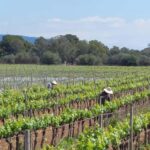
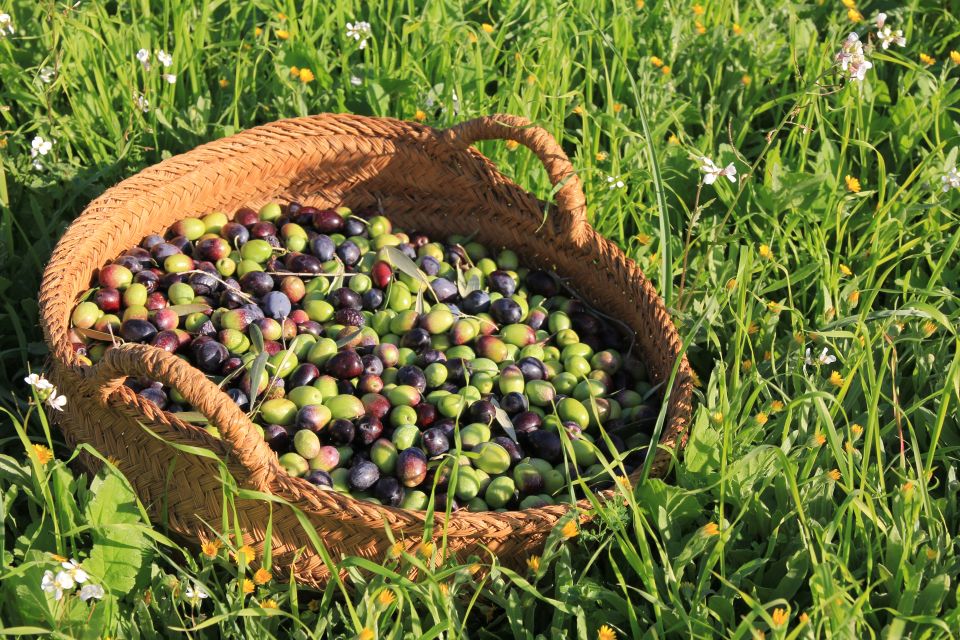
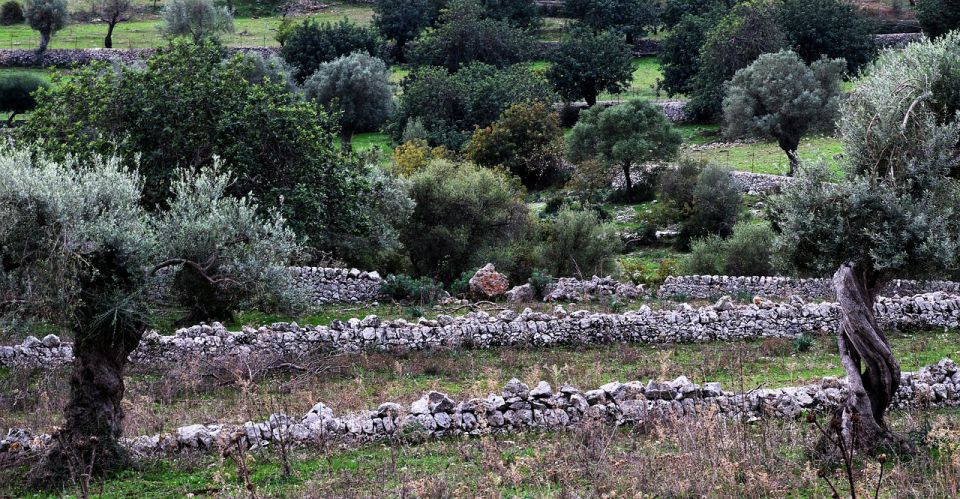
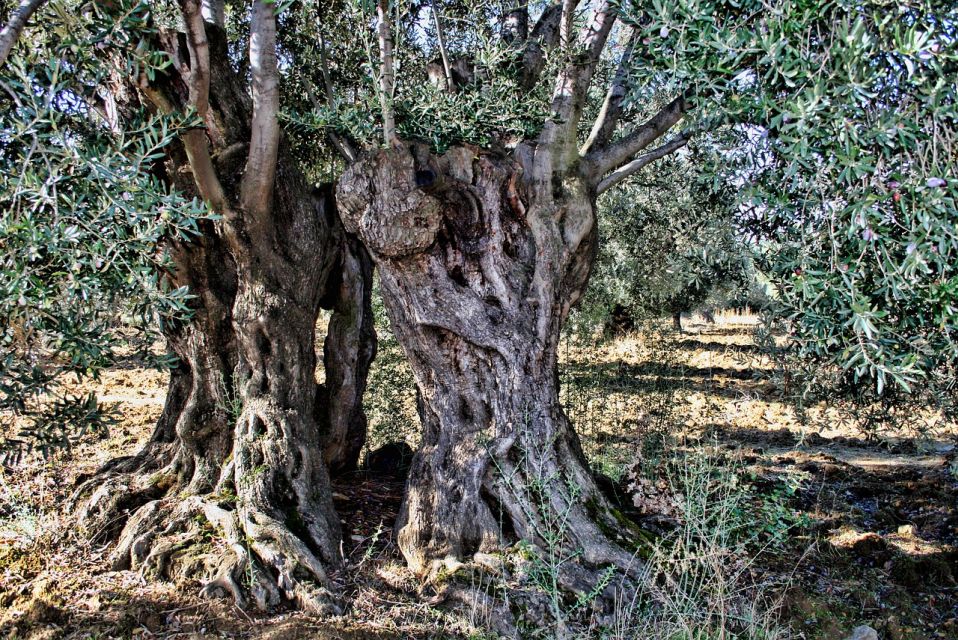
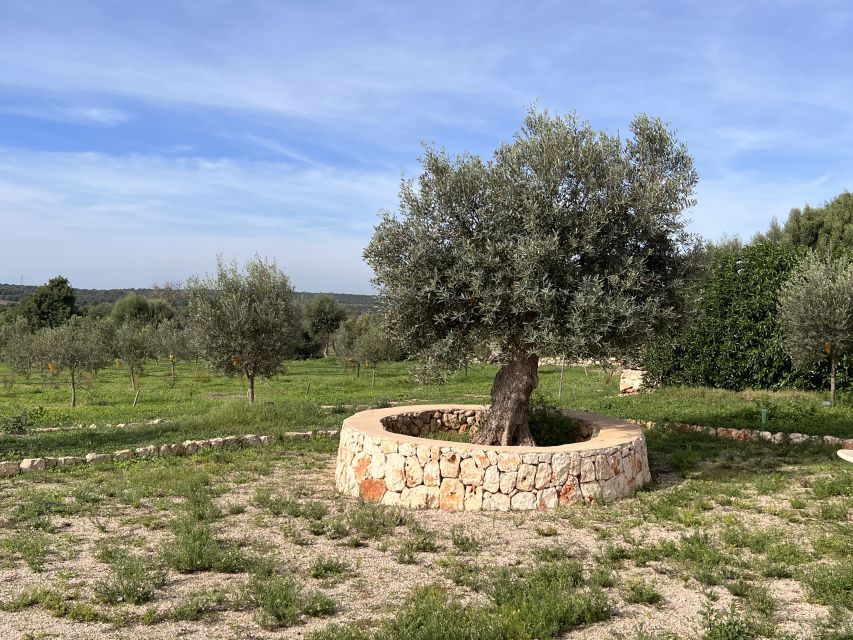
Most olive oil tours start in the mill. This one starts where it should: with the olive grove. You get the chance to walk among olive trees and take in the day-to-day reality behind the product. You’re also shown the flora and fauna that live around the trees, which helps you understand why olive farming looks and feels the way it does on Mallorca.
The walking is described as moderate with only a few gradients. That matters because you can still enjoy the experience even if you’re not a hiker, but you should still bring sensible shoes. If you’re the type who gets tired easily on uneven ground, this is the moment to decide whether you’ll be comfortable for the whole loop.
You’ll also get context for what comes next. When you can connect a taste to a place, the tasting stops feeling random. Instead of drinking oil and guessing, you start noticing how the growing environment and harvesting approach can shape what ends up in the bottle.
You can also read our reviews of more food & drink experiences in Mallorca
From Trees to the Mill in Llucmajor: How the Oil Gets Made
After the grove time, you head into the mill experience with a guided tour. This isn’t just a photo stop. The tour is designed to show you the full chain: from cultivation practices to extraction methods, and then how those choices support higher quality.
The mill portion is described as modern, which is useful if you’re the kind of person who likes seeing process as much as product. You’ll learn the steps that turn olives into olive oil, and that makes the later tasting much more practical. When someone explains what gets done at the key stages, you’ll understand why certain oils taste more peppery, fruity, or balanced rather than flat.
A good sign here is that the highlights call out both production processes and quality recognition. That means the tour is probably built to help you connect the dots instead of overwhelming you with machinery trivia. You’ll still learn plenty, just with an eye toward what actually matters when you’re buying oil back home.
And because the guided time is only a slice of a day, the approach feels efficient. You’re not stuck in a long industrial lecture. You’re moving through the farm and mill, then turning those lessons into something you can taste.
The Extra Virgin Moment: Learning to Recognize Quality
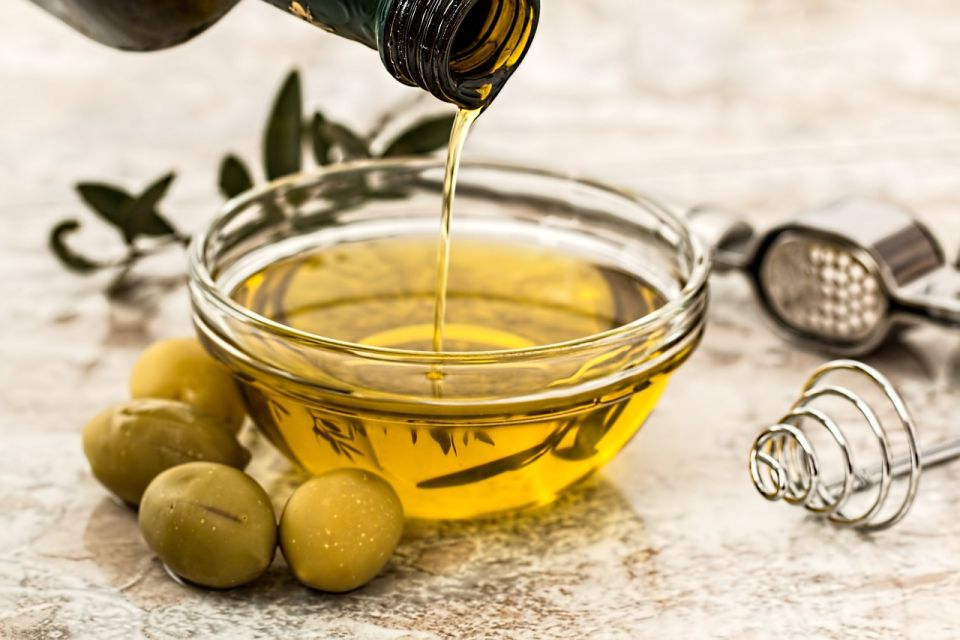
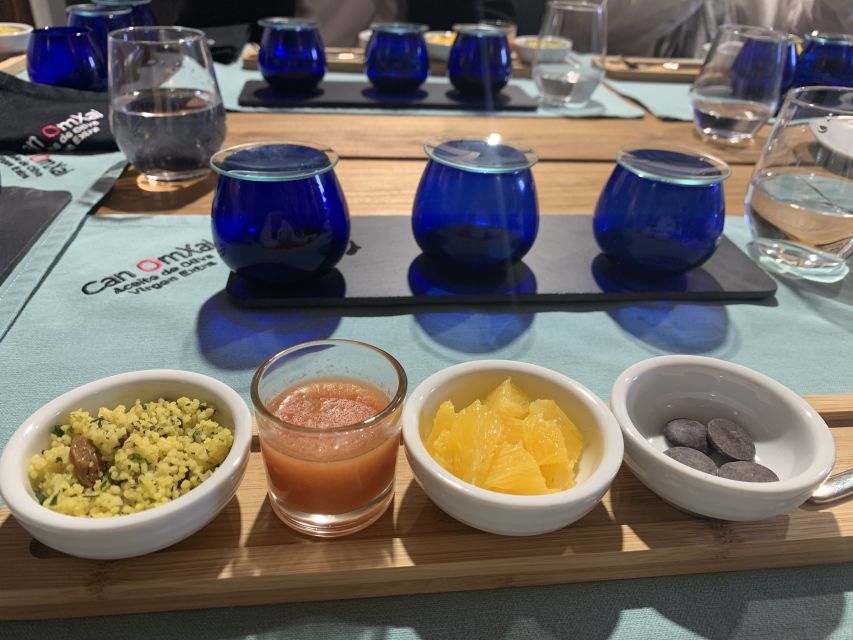
The tasting is a centerpiece, and it’s also where you’ll get the most “I’ll use this at home” value. The tour highlights include learning to recognize an extra virgin olive oil, which is exactly what you want from a tasting. You’re not just trying to decide which one is best. You’re learning what makes one qualify as extra virgin in the first place.
This matters because many people think “good oil” is just a matter of preference. But extra virgin quality is tied to real production standards, and the tasting is meant to build your senses around that. Once you start associating taste and aroma with quality cues, you’ll shop differently afterward.
You’ll also taste Mallorcan-style pairings linked to oil culture. The goal isn’t to turn you into a food scientist. It’s to help you develop a quick, reliable way to judge oil when you’re selecting bottles in a store or at a market.
If you’re the kind of traveler who likes to ask questions, you’ll likely enjoy this part. The tour is run with a live guide in English, and there are indications that the guide can also handle Spanish. Either way, the format is built for conversation, not a silent drive-by of tasting cups.
The Picnic Built Around Mallorca: Pa amb Oli and More
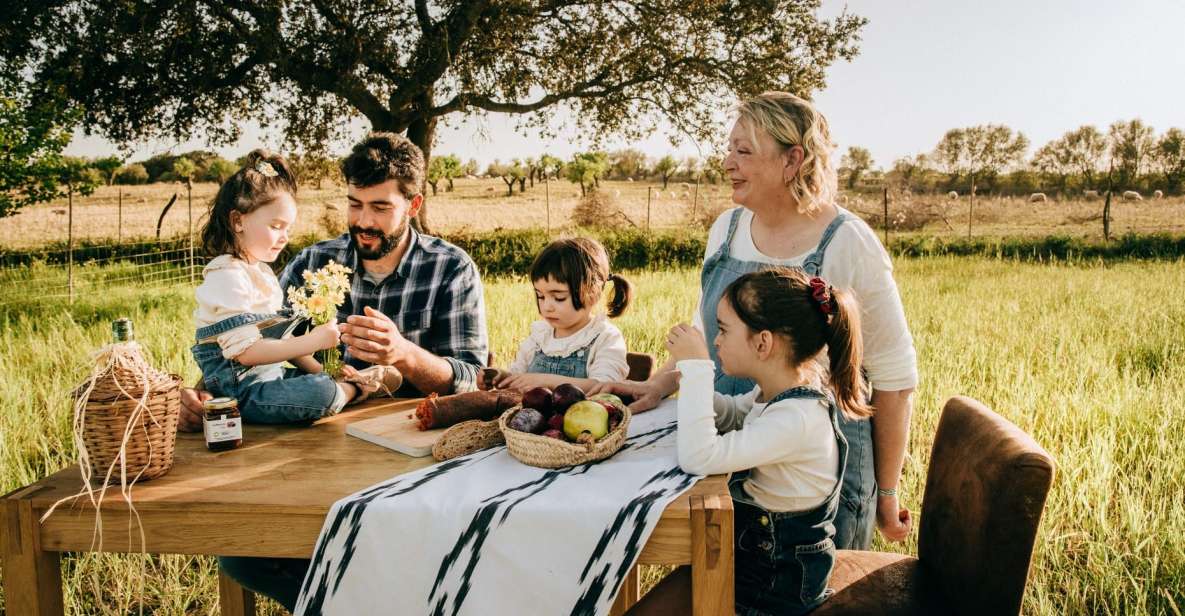
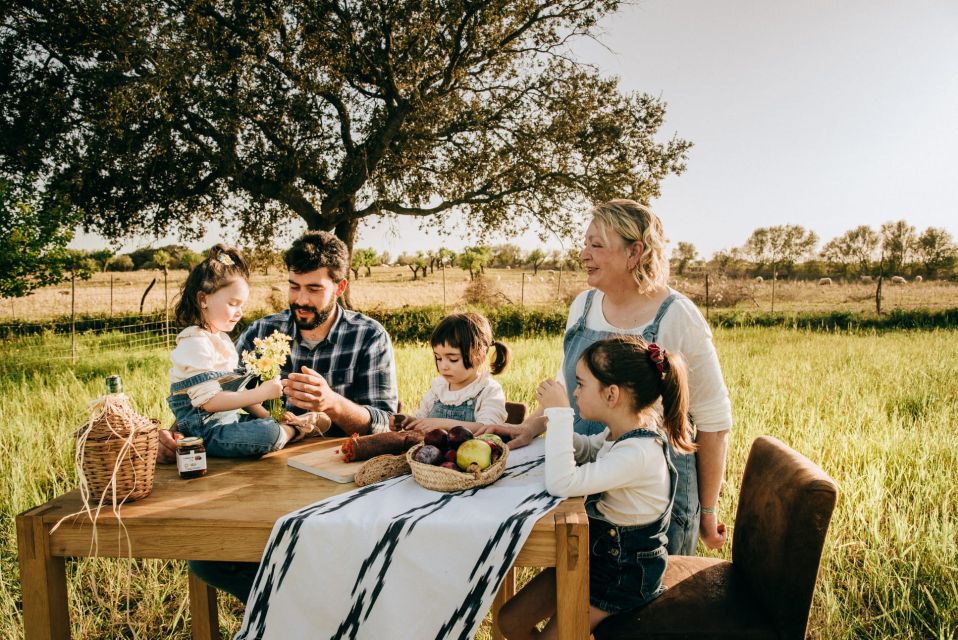
The picnic is one of the most satisfying parts of the package, because it’s not generic. You’ll get local foods designed to show how olive oil belongs in everyday eating, not just as a cooking ingredient.
The included menu includes Pa amb oli (bread with olive oil), sobrasada, cheese from Menorca, Iberian ham, plus fruits. That lineup is practical: it covers salty cured flavors, creamy dairy, and sweet fruit, so the oil isn’t judged in isolation. Oil usually performs best when it has something to play with.
You’ll also have water and wine with the picnic included. That helps keep the meal feeling like part of the day’s plan rather than a separate expense. The tour notes that other beverages aren’t included, so if you like to sip beyond the basics, budget a little extra.
Timing-wise, the overall experience is listed as 3 hours, with guided tour time centered around the Llucmajor stop. That usually means you’ll get a meal that’s satisfying but not long enough to drag. You won’t leave feeling stuffed and sleepy. You’ll leave with food knowledge and oil flavor in your head.
Pickup, Timing, and the Small-Group Advantage
Logistics can make or break a short tour, and this one does a decent job. Pickup is offered from Palma and Ca’n Pastilla, and you ride by van for about 30 minutes. Then you’re in the guided portion at Llucmajor.
The small group size (limited to 8 participants) is a big deal for a tasting-and-tour format. With smaller groups, guides can slow down when you need it and speed up when you don’t. It also makes questions easier. You’re not shouting across a bus, and you’re less likely to miss the explanation because you got stuck behind someone taking photos.
The language is listed as English for the live tour guide. If you’re comfortable with basic Spanish, it may help you catch extra context if the guide uses it, but you should still be fine with English.
Bring comfortable shoes. That’s the main practical requirement. Since the walking is moderate with a few gradients, shoes with grip and support are a simple way to protect your comfort and keep the day enjoyable from start to finish.

Price and Value: Is $112 Worth It?
At $112 per person for a 3-hour tour, you’re paying for a combo: farm access, mill access, a guided teaching component, tastings, and a proper picnic. That’s not just a “tour + cookie” situation.
Here’s what you’re really buying:
- Access to the full chain: grove walk plus a modern mill visit, not only one or the other
- Tasting with guidance: included instruction on recognizing extra virgin quality
- A meal that uses the star ingredient: Pa amb oli, sobrasada, Menorca cheese, Iberian ham, fruits
- Water and wine included: which can easily add up on Mallorca if you’re buying separately
- Small-group attention: limited to 8 participants, which usually improves the experience
The value gets weaker only in one case: if you’re mainly after a scenic stroll and you don’t care much about oil production or tasting instruction. If that’s your priority, you might spend less on a general countryside outing.
But if you want to leave with a clearer sense of how to evaluate olive oil and how Mallorcan food connects to it, this price starts to look fair.
Who Should Book (and Who Should Skip)
This tour fits best if you:
- want a short Mallorca day with real food and real process
- enjoy learning how products get made, especially when the lesson ends in tasting
- like small-group tours where you can ask questions
It may not be a fit if you:
- have mobility limitations and need easier walking than the tour’s moderate route with some gradients
- hate the idea of being outside for part of the experience, even if it’s not described as intense
Pets aren’t allowed, though assistance dogs are allowed. If you’re traveling with a helper animal, it’s worth planning around the specific rules in advance.
Should You Book This Olive Estate and Tasting?
Yes, you should book it if you’re the type who wants more than a pretty photo. The strongest reason to go is the pairing of olive grove context + modern mill learning + tasting + a picnic that actually highlights olive oil. It’s a compact format that still feels full.
I’d skip it if your priority is pure relaxation or if moderate walking is likely to be a problem for you. But if you can handle comfortable footwear and a short guided route, this is a high-value way to understand Mallorca through one of its most important foods.
FAQ
What is the duration of the Olive plant and mill visit and tasting?
The tour lasts 3 hours.
Where does pickup and drop-off happen?
Pickup and drop-off are offered in Palma and Ca’n Pastilla.
How long is the van ride?
The schedule includes a 30-minute van transfer.
How big is the group?
The tour is limited to 8 participants.
What language is the guide?
The tour includes a live guide in English.
What will I see and do during the tour?
You’ll visit an olive plant with an olive mill, take a guided tour through the grounds and the modern olive mill, and join an olive oil tasting.
Is there food included?
Yes. You’ll have a picnic with local foods like Pa amp Oli, sobrasada, cheese from Menorca, Iberian ham, fruits, plus water and wine.
Are other beverages or extra food included?
Other beverages and other food are not included.
What should I bring?
Wear comfortable shoes.
Is the tour suitable for people with mobility impairments?
No, it’s noted as not suitable for people with mobility impairments.