REVIEW · MALLORCA
Mallorca: Discover Scuba Diving from the beach
Book on Viator →Operated by Avispa Labs S.L. · Bookable on Viator
First scuba, right from the beach. This intro scuba program in Palmanova sets you up for a first underwater experience at just 2 to 3 meters with a certified instructor. It’s hands-on, practical, and built for calm, controlled learning.
I like that the day starts with a short theory session plus shallow-water practice before you ever go down. And I really appreciate the human touch in the instruction: guides such as Tony, Raul, Tim, Mateus, and Liliane are described as patient, focused, and big on safety.
One thing to keep in mind: this is not a certification course, and it’s not trying to be an all-day reef safari. If you want big-sight, deep-water thrills, you may find the experience intentionally basic and light on marine spectacle.
In This Review
- Key things I’d zero in on before you book
- First Time Underwater, Starting at Palmanova Beach
- Inside Big Blue: Check-In and the Short Theory
- Gear and Insurance: What You Get for $120.68
- Shallow-Water Training to 2–3 Meters Explained
- What You’ll Actually See Underwater (No Reef Fantasy)
- Instructors, Group Size, and Safety Style
- Practical Comfort Tips: From Lockers to Flying
- Price and Logistics: Is This Worth It?
- Should You Book This Beach-Based Scuba Intro?
- FAQ
- How deep do I go?
- Is this a certification course?
- What’s included in the price?
- Are snacks included?
- How long does the experience last?
- How many people are in the group?
- What language is the instruction in?
- Can I fly after the activity?
Key things I’d zero in on before you book
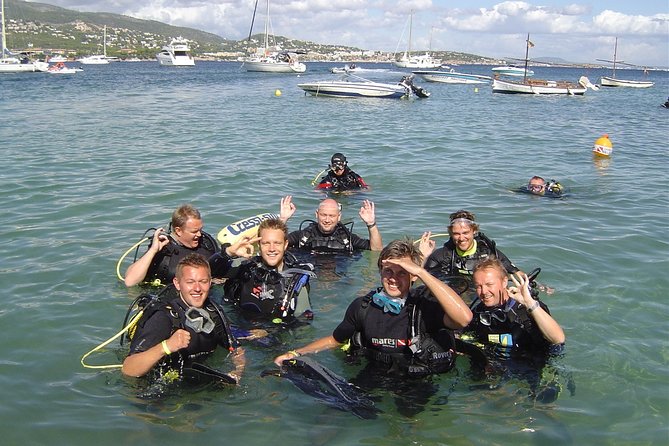
- Beach entry, shallow depth: you start from shore and go down to about 2 to 3 meters, designed for first-timers.
- Small group size (max 8): fewer people means more instructor attention when you need it.
- Theory + shallow-water training first: nerves drop faster when you practice the basics before the first descent.
- Gear and diving insurance included: you’re not left scrambling for equipment or coverage details.
- No beginner underwater photos: instructors stay focused on 100% supervision for safety.
- Expect mostly simple marine life: think fish and small critters, not a dramatic reef expedition.
First Time Underwater, Starting at Palmanova Beach
This is the kind of Mallorca activity that sounds simple because it is: get suited up, learn the basics, then go in from the beach. There’s no boat ride, no long transfer, and no complicated logistics. You’re in the shallow area fast, with an instructor guiding every step.
The setting is Palmanova, and the meeting point is at Big Blue (Carrer Martín Ros García, 6, 07181). From there, the whole experience is paced like a first day should be—one part instruction, one part practice, then a controlled underwater moment.
The best reason to choose this format is confidence. Going from calm shore training straight into a short, shallow experience helps you understand what scuba feels like without turning it into a long endurance challenge.
You can also read our reviews of more scuba diving tours in Mallorca
Inside Big Blue: Check-In and the Short Theory
Your first stop is check-in at the shop on Carrer Martín Ros García, where you’ll get your bearings and start the process with the team. Expect confirmation details tied to your booking, plus a mobile ticket you can show on your phone.
The program then includes a short theoretical introduction. Think of this as the “how it works” part, not a textbook exam. The goal is to make the gear feel normal and explain what you’ll do in the water, so you don’t spend your first minutes underwater guessing.
In real-world terms, this is where the tone matters. The instructors are consistently described as pedagogic and attentive, taking time to get things right on land before moving into the sea. It’s a big deal for first-timers, because when you understand what comes next, you breathe easier.
Language note: the program is offered in English, so if you’re comfortable with that, you’ll likely feel more relaxed during the theory and guidance.
Gear and Insurance: What You Get for $120.68
Price matters, but so does what’s included. This experience runs about $120.68 per person for roughly 2 hours. That’s not cheap for two hours—until you look at what you’re getting.
You get:
- Scuba equipment use
- Diving insurance
- XL shallow water training
Equipment and insurance included is a real value booster. If you’ve ever tried to piece together gear rentals and safety coverage yourself on vacation, you know how quickly the “cheap option” gets expensive.
Also note what’s not included: snacks. That matters because you might be arriving hungry, and then you’re in and out quickly. If you tend to get lightheaded when you’re hungry, plan a snack before you start.
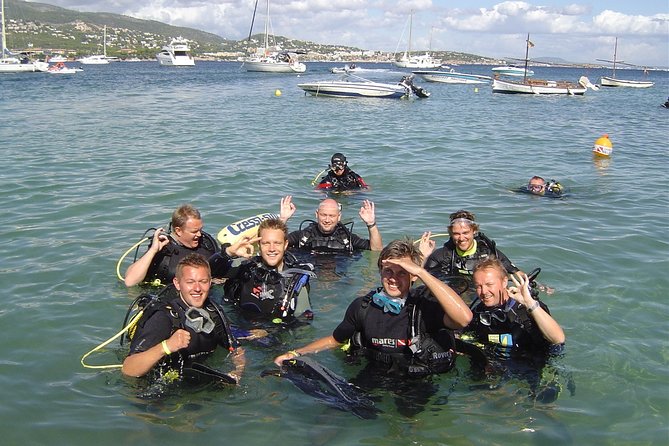
Another practical detail: the group is capped at 8 people. Small groups are more than a comfort perk. They usually mean you get closer supervision and fewer waiting gaps during the training flow.
Shallow-Water Training to 2–3 Meters Explained
The core of the experience is the shallow training. You’ll practice in the water before any deeper exposure—this is what helps first-timers feel like they’re learning a skill instead of “just trying not to panic.”
After the shallow-water exercises, the program takes you down to about 2 to 3 meters. That depth is shallow enough for learning, but deep enough to feel the real difference from standing in the sea. You also get guided support so you’re not left to figure out timing, breathing, and movement on your own.
What you’ll do in the water is intentionally controlled. Many first-timers come out saying they felt safe and supported, and the team’s approach is often described as patient and calm when someone has difficulty. That matters because shallow doesn’t mean you can ignore comfort. The whole point is to help you get used to how your body and gear behave underwater.
One safety nuance that shows up in the team’s decisions: instructors prioritize full attention. For example, they are not allowed to take beginner underwater photos for safety reasons, because the rule requires uninterrupted supervision without distraction. So if you were hoping for a photographer-style souvenir, you’ll want to adjust expectations.
What You’ll Actually See Underwater (No Reef Fantasy)
If you’re booking for scenery like a big reef excursion, temper expectations. This isn’t an epic, long sightseeing mission. It’s a first scuba experience built around training in a safe cove area.
Based on what people describe, you can expect:
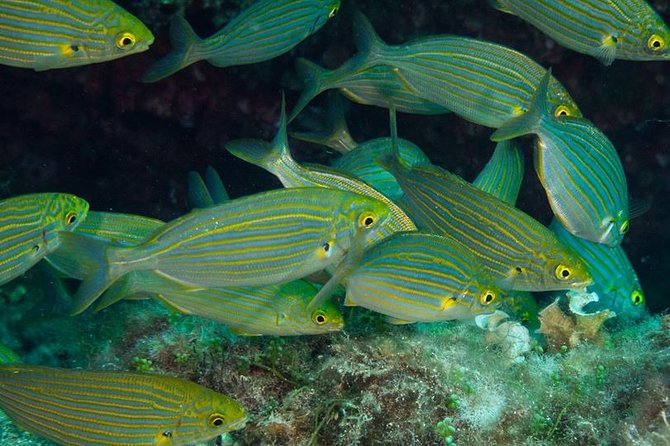
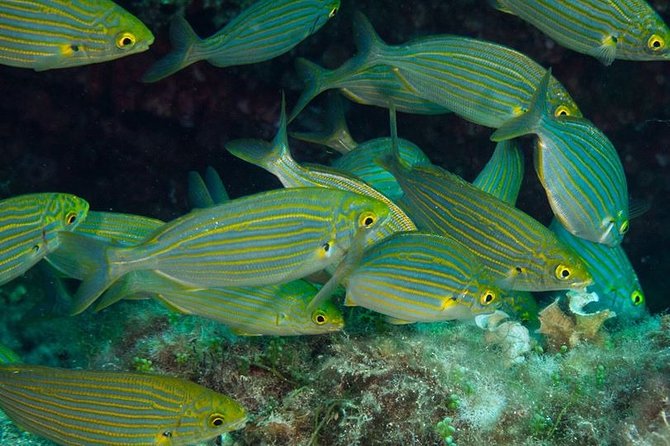
- Schools of fish
- Small marine life like sea cucumbers
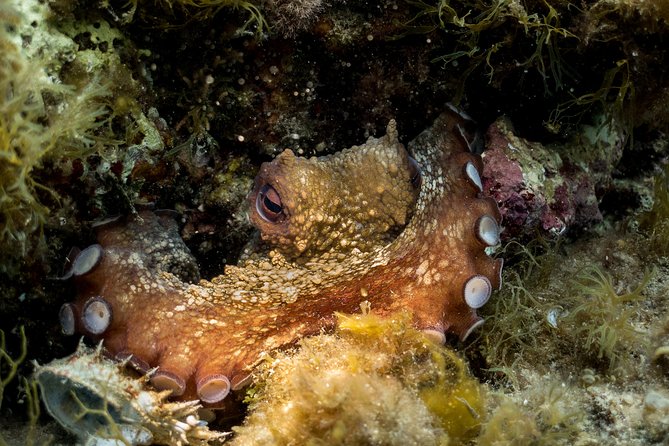
- The occasional tiny critter, sometimes even something like a small octopus
- And in some spots, other small-life encounters such as starfish, sea urchins, crabs, sponges, and even mention of octopus
One review-style theme is that the marine life is present even when the shoreline is more developed or the setting isn’t a remote wilderness beach. In other words: you’re not chasing untouched nature. You’re meeting the underwater neighborhood close to the beach.
So the underwater highlight is usually not a massive coral panorama. It’s the feeling of being underwater safely, seeing living things at close range, and understanding the basics well enough that you’d consider doing more later.






Instructors, Group Size, and Safety Style
This experience wins or loses on the instructor dynamic, and this one is consistently described as strong. Names that came up include Tony and Raul, plus Tim, Mateus, and Liliane. Across those different people, the pattern is similar: clear explanations, hands-on guidance, and constant check-ins when someone feels unsure.
Small group size—max 8 people—helps here. In a bigger group, you can end up waiting or getting rushed. In a smaller group, the instructor can slow down for questions and adjust in the moment.
One thing I appreciate in a safety-first program is predictability. When staff take time to make sure everything is alright on land and in the sea, you’re less likely to experience surprise discomfort. And when you’re a first-timer, surprise is exactly what you don’t want.
Also, equipment and preparation seem well-managed. People mention safe gear and the presence of a locker, which helps you store belongings without turning the experience into a frantic beach scramble.
Practical Comfort Tips: From Lockers to Flying
Plan your logistics like you would for any active beach morning.
- Arrive early-ish so you can get suited up without rushing. The whole program runs about 2 hours, so delays shrink your buffer.
- Bring a cover-up for walking between land and the training zone. Even if the water feels manageable, getting wet once turns into being cold fast.
- Don’t forget snacks, since they aren’t included. A small bite before you start can help you feel better during training.
- Know the flying rule: after participating, you should not fly for at least 24 hours. This isn’t about travel inconvenience for its own sake. It’s a safety guideline tied to how scuba activity can affect the body.
- Weather matters: the experience requires good weather. If it’s canceled due to poor conditions, you’ll be offered a different date or a full refund.
If you’re traveling with kids, it can work because instruction is described as patient and supportive. One account specifically mentions an instructor who guided children aged 10 and 11. That’s encouraging, but it’s still a water activity—so you’ll want to judge based on your child’s comfort in water and ability to follow instructions.
Finally, a heads-up on souvenirs: underwater photos aren’t something you should count on for beginners. If that’s important to you, think about what you can capture from shore before you go in.
Price and Logistics: Is This Worth It?
For about $120.68 and around 2 hours, you’re paying for a guided, safety-centered first scuba experience with gear and diving insurance included. That’s what makes the price feel reasonable.
Where the value lands:
- You don’t need to rent equipment separately
- You get structured training time in shallow water
- You’re guided by a certified instructor with close supervision
- You’re not paying for a full course or multi-day program
Where it may feel less worth it:
- If what you want is lots of underwater time, deep exploration, or a longer reef-focused itinerary, this format won’t match that goal.
- If you were hoping for underwater photo souvenirs, the program’s supervision rules make that unlikely.
So I’d think of this as a try-out and confidence builder. It’s for learning what scuba feels like, safely, without jumping straight into a certification path.
Should You Book This Beach-Based Scuba Intro?
Book it if you want a low-stress first underwater experience in Mallorca that prioritizes safety, instruction, and getting comfortable quickly. It’s a good match for beginners, people who want short training plus a controlled taste of the underwater world, and anyone who prefers beach-based simplicity over boats and long schedules.
Skip it or adjust expectations if you’re chasing huge reef scenery, long underwater time, or a certification course. This is intentionally shallow and intentionally beginner-friendly. The underwater life you’ll see is real, but it’s also not guaranteed to be a dramatic show.
If you’re the type who gets nervous in new physical situations, the small group size and the teaching style matter a lot. In that case, this program is exactly the kind of guided experience that helps nerves shrink instead of grow.
FAQ
How deep do I go?
You’ll practice in shallow water and then go down to about 2 to 3 meters.
Is this a certification course?
No. It’s not a certification course and it doesn’t lead to getting a diving certificate.
What’s included in the price?
Use of scuba equipment and diving insurance are included, along with XL shallow water training.
Are snacks included?
No, snacks are not included.
How long does the experience last?
It lasts about 2 hours (approx.).
How many people are in the group?
There’s a maximum of 8 travelers.
What language is the instruction in?
It’s offered in English.
Can I fly after the activity?
You should not fly for at least 24 hours after taking part.