REVIEW · MALLORCA
Santa Ponsa: Snorkeling Tour in a Marine Reserve
Book on GetYourGuide →Operated by ZOEA Mallorca · Bookable on GetYourGuide
Marine-reserve snorkeling time feels like sci-fi. In Santa Ponsa, you trade crowded beaches for the calmer rhythm of the Las Malgrats Marine Reserve, where you can spot octopus and scorpionfish when conditions allow. It’s a short trip from shore, guided start-to-finish, and built for real-world comfort.
I especially like the gear support: a proper mask/snorkel setup, a neoprene suit for warmth and sun protection, and a guide watching the group in the water. I also like that the tour is run like a small operation, not a cattle call—paperwork, a safety briefing, and then straight to the best spots the day gives you.
One possible snag: the marina meeting point is inside Club Náutico Santa Ponsa, and the map can mislead you. A past guest noted it can take about 20 minutes to walk to the correct side, so give yourself extra time.
In This Review
- Key points before you go
- Santa Ponsa meets Las Malgrats: why this reserve snorkeling is different
- The 3-hour rhythm: pickup, briefing, neoprene fitting, and water time
- Gear that makes or breaks snorkeling: mask fit, buoy help, and neoprene comfort
- What you’ll actually see under the surface (and how to spot it)
- Boat ride and sea-sickness reality: short time, more control
- After snorkeling: showers, dry clothes, and a terrace view reset
- Price and value: is ~$71 worth it?
- Finding Club Náutico Santa Ponsa: the marina walk problem
- Who this snorkel suits best (and who should skip it)
- Small gotchas: what to bring and what to avoid
- Should you book Santa Ponsa’s Las Malgrats snorkeling?
- FAQ
- How long is the Santa Ponsa snorkeling tour in the marine reserve?
- Where do you snorkel?
- How much does it cost?
- Is pickup available from hotels?
- What snorkeling gear and clothing are included?
- Do I need to bring a towel?
- What should I bring besides swimwear?
- What are the age and swimming requirements?
- Is the snorkeling spot the same every time?
- What happens after snorkeling?
Key points before you go

- Las Malgrats Marine Reserve: snorkel time is focused on marine life, not random stops.
- Warmth and protection: you get a neoprene suit, plus help in the water if you start to tire.
- Guide-led safety: sites change with weather and sea conditions, so you snorkel where it’s safe.
- Comfort after snorkeling: hot showers and changing rooms are available back at the club.
- English/French/German/Spanish instruction: the guide can match your language needs.
- Best for swimmers: you need to be able to swim, and kids start at 8+.
Santa Ponsa meets Las Malgrats: why this reserve snorkeling is different
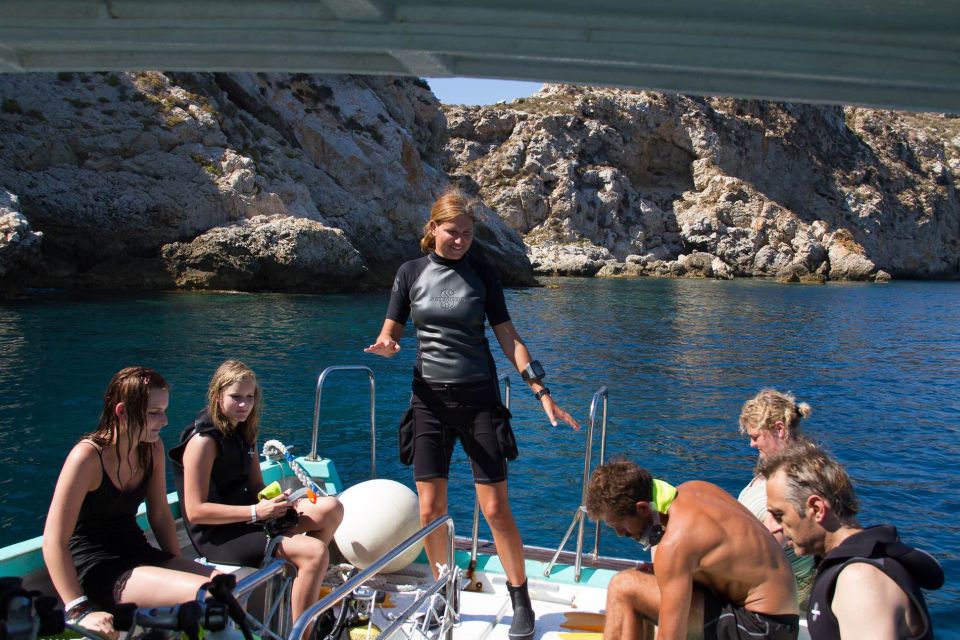
This tour works because it’s not trying to be a long “boat day.” You get a tight schedule and a clear goal: spend real time in the Las Malgrats Marine Reserve around the Malgrats Islands and come back with saltwater stories, not just photos.
The reserve matters. The Mediterranean can look gorgeous from shore, but snorkel spots are only as good as the underwater conditions and the species you’re actually likely to see. Here, you’re specifically looking for things that blend into rock and crevices—like octopus hiding in gaps and scorpionfish camouflaged against the seabed.
Also, you’re guided. That may sound standard, but it changes what you notice. A guide can point out where to look and what behavior to watch for, and that’s often the difference between seeing “a couple fish” and feeling like you actually understood the place.
You can also read our reviews of more snorkeling tours in Mallorca
The 3-hour rhythm: pickup, briefing, neoprene fitting, and water time
Plan for a packed but not exhausting flow. Total duration is about 3 hours, and if you choose pickup, you’ll likely include a short van transfer—around 30 minutes each way in the Santa Ponsa area.
You start in Santa Ponsa with a safety briefing (about 30 minutes). They also handle mandatory paperwork on board/at the start, so the team can move you through smoothly once you’re suited up.
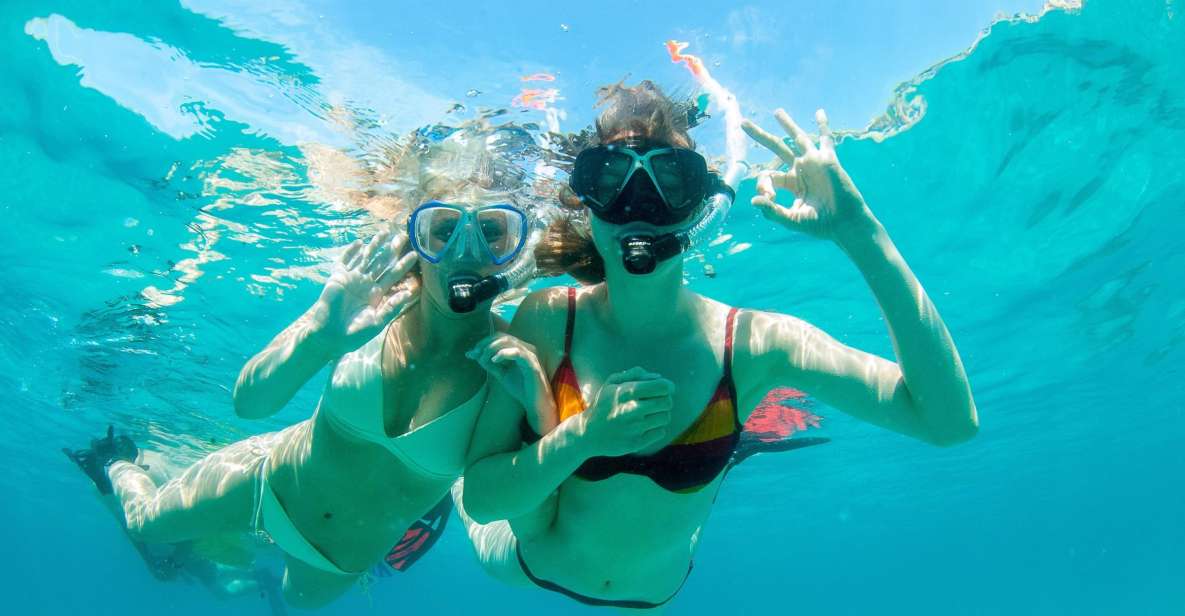
Then comes the part that makes the rest of the trip easier: neoprene suits. You’ll get fitted so you’re warm enough to stay out comfortably and protected from the sun and contact with rocks/reef areas. After that, you head to the snorkeling spots in the reserve, based on the day’s sea conditions.
Your snorkeling block is about 2 hours total in the water, followed by a 20-minute break back in Santa Ponsa. That break isn’t just “waiting”—it’s enough time to reset, dry off a bit, and get ready for the ride home.
Gear that makes or breaks snorkeling: mask fit, buoy help, and neoprene comfort
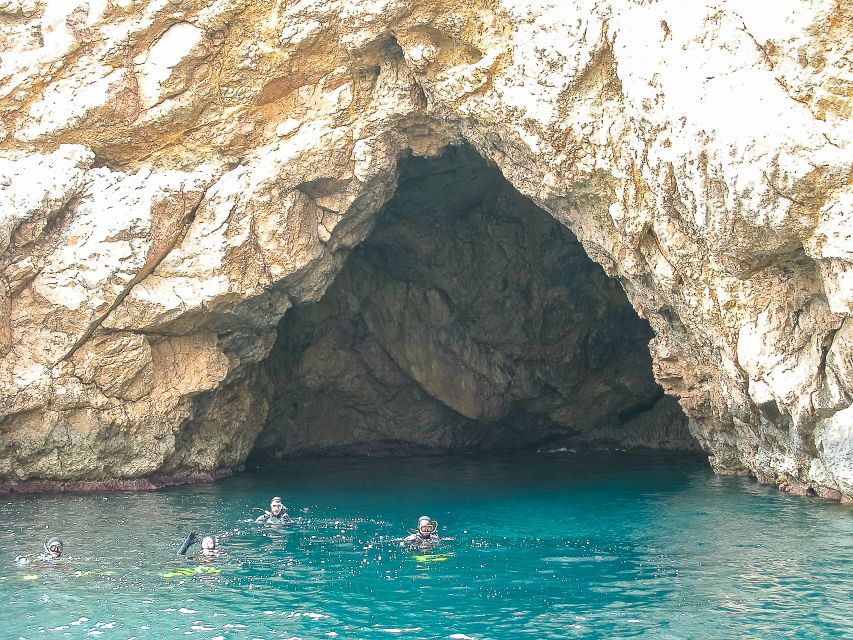
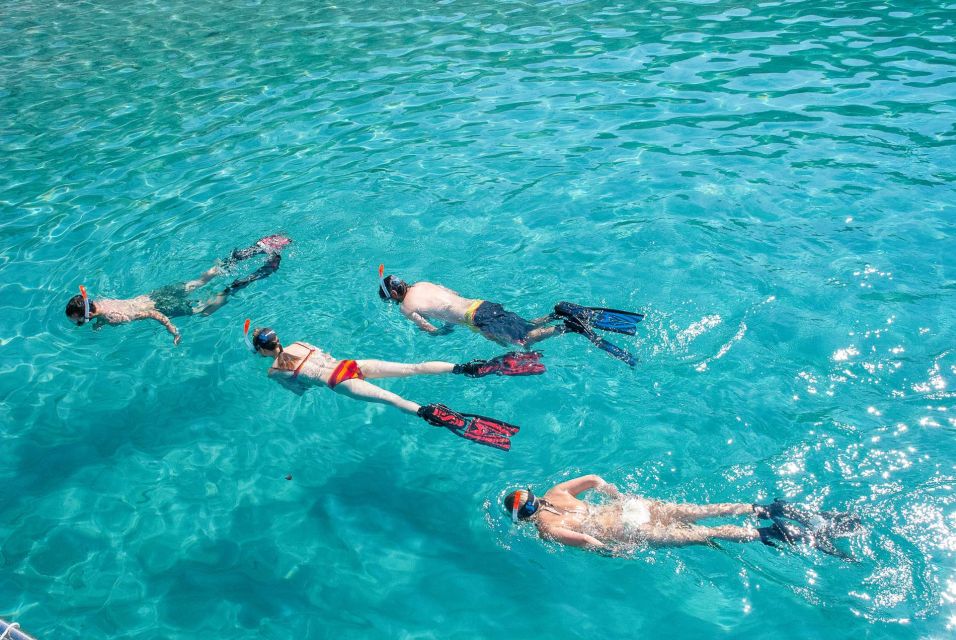
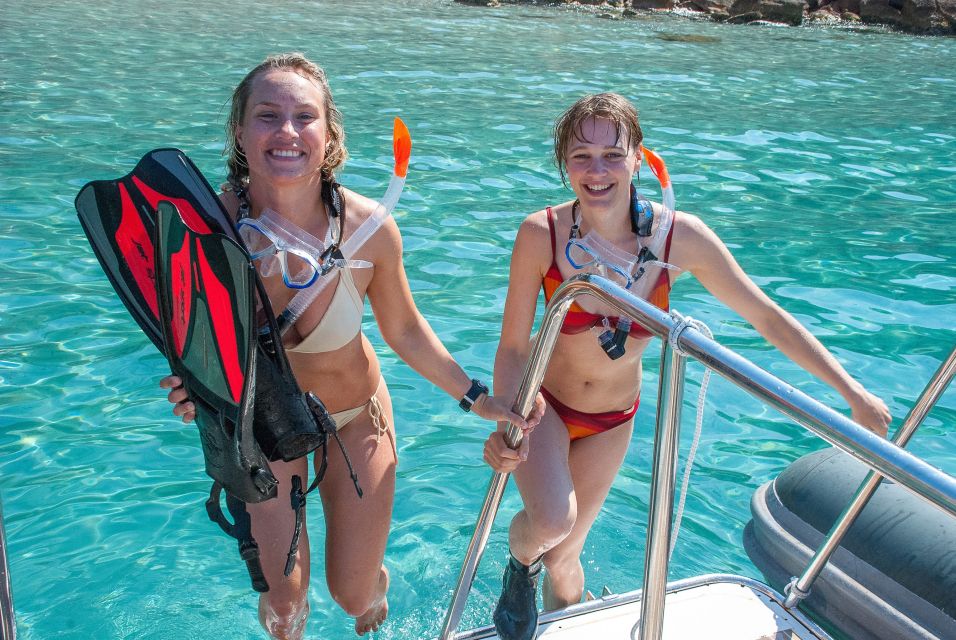
Snorkeling success is mostly about comfort you don’t have to think about. This tour provides equipment, including the mask, snorkel, and tube, plus neoprene suits. One strong point from feedback: a well-fitting mask that doesn’t leak makes a big difference when you’re actually trying to breathe calmly and look around.
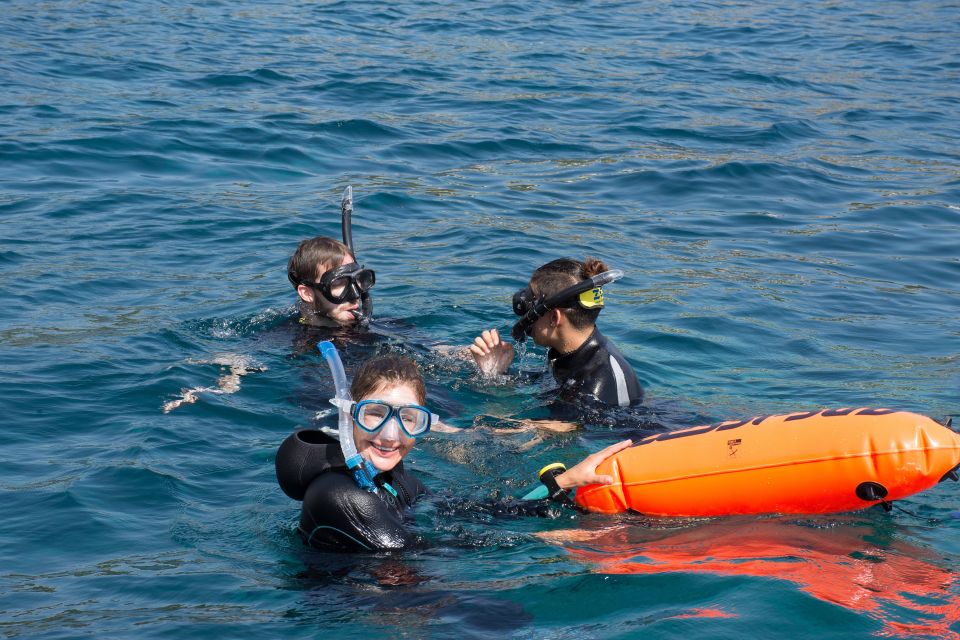
The neoprene suit is also practical. The Mediterranean isn’t always “warm bath water,” and neoprene helps you stay comfortable enough to keep exploring. People also noted it protected them from rocks and reefs, which matters when you’re moving slowly near underwater structure.
One more helpful detail: if you get tired, you’ll be given a floating buoy to stay safe while conserving energy. That’s the kind of small support that lets beginners enjoy the water instead of panicking halfway through.
What you’ll actually see under the surface (and how to spot it)
Let’s be real: you’re not in a tropical aquarium. But the Mediterranean reserve can still be surprisingly alive—especially when the water is clear and calm enough for close observation.
Here’s what you’re likely to focus on:
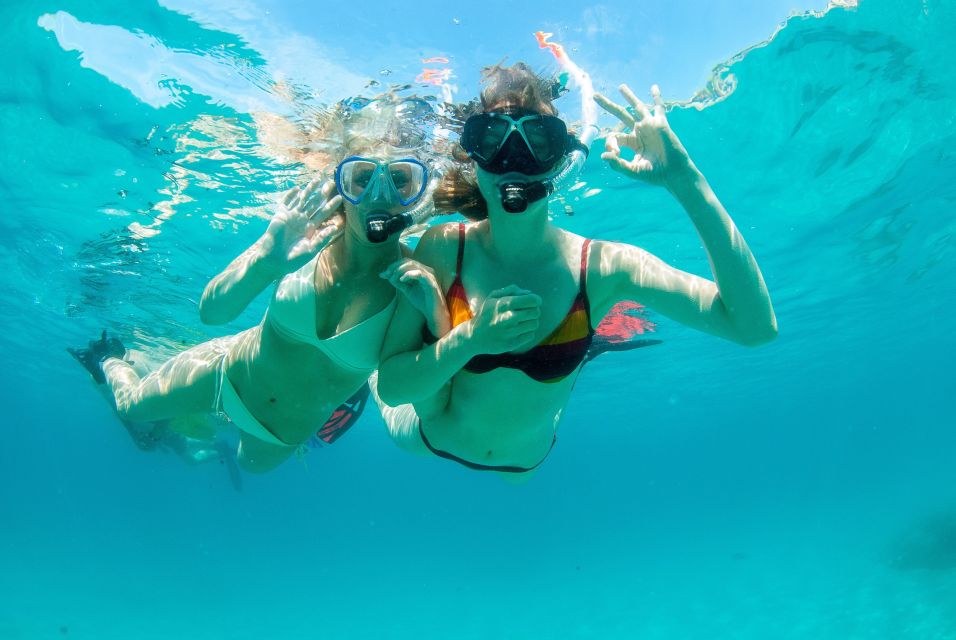
- Octopus tucked into crevices and rock edges. Don’t rush. Look for movement that’s not just fish darting.
- Scorpionfish that blend into the rocks. They can be hard to spot if you’re scanning too fast.
- Fish life around underwater structure, plus the general calm “blue water” feel that makes snorkeling relaxing instead of frantic.
Some people also described stops that included swim-through caves and multiple snorkeling stops in one trip. Even if the exact route changes day to day, the guiding idea stays the same: you’re exploring areas with marine life and interesting underwater features, not just drifting over sand.
Because conditions decide the exact site, your best move is mindset. Go in expecting a natural, sometimes subtle kind of wildlife spotting—not every second filled with bright, dramatic color. When you’re okay with slower watching, the reserve rewards you.
Boat ride and sea-sickness reality: short time, more control
A big practical advantage: the boat portion is short. In fact, one review specifically called out that the short boat ride was perfect for people prone to seasickness.
That’s worth taking seriously. Even if you love the idea of snorkeling, nausea can ruin it. Short travel time reduces the chance you’ll start feeling off before you ever get your mask on.
You’ll also have a guide and captain working together, so the pace feels controlled. People noted the team was attentive and fun, and that the guide kept an eye on the group to make sure everyone was doing okay.


After snorkeling: showers, dry clothes, and a terrace view reset
The best snorkeling trips have a “landing plan.” This one does. When you return, you come back to the club facility where you can use hot showers and changing rooms to get out of wet swimwear fast.
There’s also time for a refreshment or coffee if you want one, and you can enjoy the view from the terrace. That little break matters, because you’ll leave the water with salt on your face and sand in your gear—then suddenly you’re dry, warm, and able to think like a normal human again.
If you’re traveling with family, this part helps everyone recover quickly. Kids and non-swimmers (who are not allowed on this tour) can still benefit from a clear end point and a comfortable turnaround, while swimmers get a smooth finish.
Price and value: is ~$71 worth it?
At about $71 per person, the question isn’t just price—it’s what you’re buying.
You’re getting:
- Snorkeling equipment (mask/snorkel/tube)
- A neoprene suit
- Drinking water
- Hot shower + changing rooms after
- A guide to lead you to snorkeling spots and manage safety
- Optional hotel pickup and drop-off within the listed area
Then consider what you’d pay for alternatives on your own: renting gear, arranging transport, finding a safe/snorkel-friendly site, and paying for a guide who can help you actually see wildlife. You’d also have to deal with timing, water entry, and comfort alone. Here, you’re paying for a set package that reduces decision fatigue.
Two small things to budget for: food and drinks are not included, and towels are not included. So it’s worth bringing a towel with you, or planning to buy something nearby after you’re dressed.
Finding Club Náutico Santa Ponsa: the marina walk problem
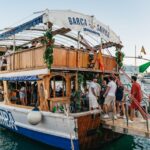
The meeting point is inside Club Náutico Santa Ponsa, a private marina that you may only access on foot. If you’re driving, don’t block the pass—call the dive/sports team so you’re not stuck playing “guess where the entrance is.”
One review flagged a real-world issue: the club location shown on some maps may not match where you actually need to walk. The fix is simple: arrive early and build in extra walking time. If you’re pressed for time, you’ll feel it.
If you want an easy approach, do this the night before: open your map, then note the marina area and pick a nearby landmark to orient yourself. On tour day, just follow the local cues and give yourself a buffer.
Who this snorkel suits best (and who should skip it)
This tour is best for people who can swim. It’s not designed for floating only. You need enough comfort in the water to snorkel and follow the guide.
Age matters too: the minimum is 8 years old. If you’re bringing kids, this is one of the safer ways to let them experience marine life because you’ll have equipment, a suit, and an adult team actively managing the group.
It also isn’t suitable for:
- Wheelchair users or people with mobility impairments
- Non-swimmers
- Children under 8
If you’re traveling with mixed experience levels (some stronger swimmers, some still building confidence), the tour structure can work—especially because the team includes flotation help and watches group energy.
Small gotchas: what to bring and what to avoid
You’ll want to keep your packing simple:
- Swimwear
- A towel (not provided)
- A reusable water bottle for refills (they mention free refills)
- If you burn easily, consider sun protection too, even with the suit
Also follow the rules: no alcohol and no drugs. It’s a water safety trip, so keep it straightforward.
Finally, remember the key uncertainty: the snorkeling site depends on weather and sea conditions. That doesn’t mean your day is wasted—it means you’re trading predictability for safety and better underwater visibility when it’s actually possible.
Should you book Santa Ponsa’s Las Malgrats snorkeling?
Book it if you want a guided snorkel that’s built around real comfort (neoprene, gear, showers), a short schedule, and a marine reserve focused on actual animals like octopus and scorpionfish. The value also holds up because so much is included, and the short boat time helps if you’re sea-sickness-prone.
Skip it if you’re not a confident swimmer or you need wheelchair-accessible options. Also skip if you hate walking to a meeting point—because the marina setup can take a bit of extra time, especially if the map leads you astray.
If you go, do yourself a favor: arrive a little early, bring a towel, and plan to snorkel slowly. The reserve is about watching closely, not sprinting through the water. You’ll get more out of the day—and you’ll probably enjoy it more than you expected.
FAQ
How long is the Santa Ponsa snorkeling tour in the marine reserve?
The tour lasts about 3 hours.
Where do you snorkel?
You snorkel in the Las Malgrats Marine Reserve near the Malgrats Islands.
How much does it cost?
It costs about $71 per person.
Is pickup available from hotels?
Pickup is optional. If you’re in Santa Ponsa, pickup is typically 45 minutes before the activity; otherwise it’s 1 hour before.
What snorkeling gear and clothing are included?
You get snorkeling equipment (mask/snorkel/tube), plus a neoprene suit.
Do I need to bring a towel?
Yes. Towels are not included. Bring a towel for after the shower/changing part.
What should I bring besides swimwear?
Bring swimwear and a towel. It’s also recommended to bring a reusable water bottle for free refills.
What are the age and swimming requirements?
Participants must be at least 8 years old and able to swim.
Is the snorkeling spot the same every time?
No. The selected snorkeling site depends on weather and sea conditions.
What happens after snorkeling?
You return to the club facility with hot showers and changing rooms. You can also have a refreshment or coffee and enjoy the terrace view.