REVIEW · MALLORCA
Palma de Mallorca: Guided Bicycle Tour
Book on GetYourGuide →Operated by Palma Bicycle Tours · Bookable on GetYourGuide
Palma clicks into place faster by bike. I like the seafront bike lane for an easy start, and I like the slow switch into the medieval old town with narrow streets and quiet patios. One consideration: you really do have to ride steadily, and the day can feel hot because a big chunk of the route is outdoors.
This 2.5-hour guided ride is priced at $53 per person, which is solid value when you’re trying to see major sights without spending half the day figuring out bikes and routes. The tour runs with a live English guide and keeps things small, capped at 8 participants, so you get real attention at stops.
You’ll meet at Palma Bicycle Tours in the city (Av. de Gabriel Roca, 12), sign the bike-policy paperwork, and get a comfortable city bike plus a helmet (helmet required until age 16) and a basket if you want one. Bring comfortable shoes and clothes, because you’ll be switching between breezy waterfront sections and the tighter turns of the old streets.
In This Review
- Key highlights you’ll actually feel during the ride
- Getting Started at Av. de Gabriel Roca: bikes, helmets, and city rules
- From Palma’s seafront bike lane to Palma Cathedral (La Seu)
- Parc de la Mar: where the walking-heavy streets start
- Rolling into the old town: narrow lanes, patios, and real atmosphere
- Convent de Santa Clara: a 13th-century working pause
- Plaça de Cort to Passeig des Born: big squares, easy orientation
- Lonja de Palma and the finishing loop you’ll remember
- How the pacing works: what the frequent stops really do
- Price and value: why $53 makes sense (and where it might not)
- What to bring and when to ride Palma
- Who should book this bike tour (and who should skip it)
- Should you book this Palma Bicycle Tour?
- FAQ
- Where does the tour start?
- How long is the bike tour?
- How much does it cost?
- Is the tour guided in English?
- What’s included with the tour?
- Do I need to wear a helmet?
- What group size should I expect?
- Are there any weight limits?
- What should I wear or bring?
- What if my plans change?
Key highlights you’ll actually feel during the ride
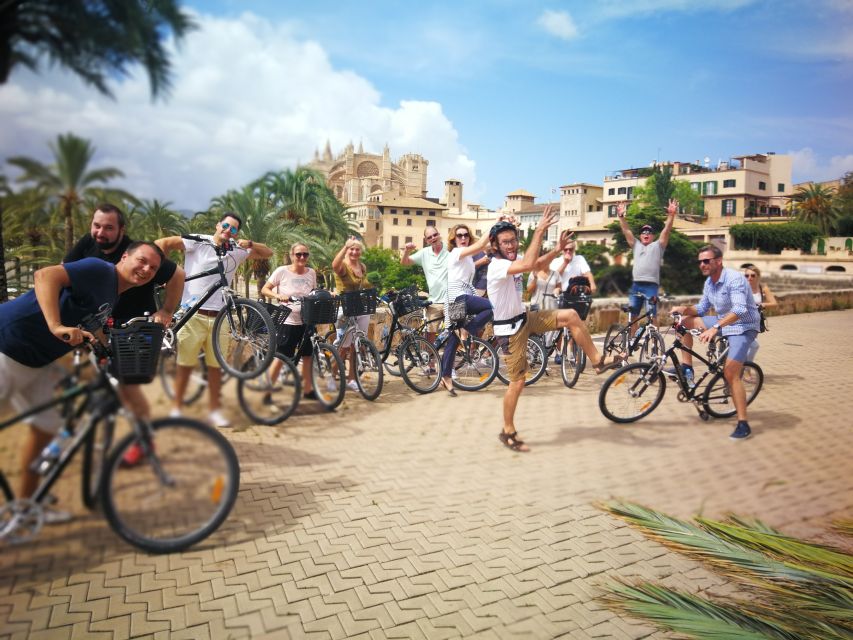
- Seafront-to-La Seu flow: bike-lane riding that sets a clear, low-stress direction
- Frequent short stops: you pause enough to take photos and get context without killing the pace
- Medieval old-town routing: sunny esplanades shift into narrow alleys and old church plazas
- Convent de Santa Clara stop: a working convent dating back to the 13th century, with a sweet snack option
- Major sights without a long day: Palma Cathedral area, Plaça de Cort, Passeig des Born, and Lonja de Palma
Getting Started at Av. de Gabriel Roca: bikes, helmets, and city rules
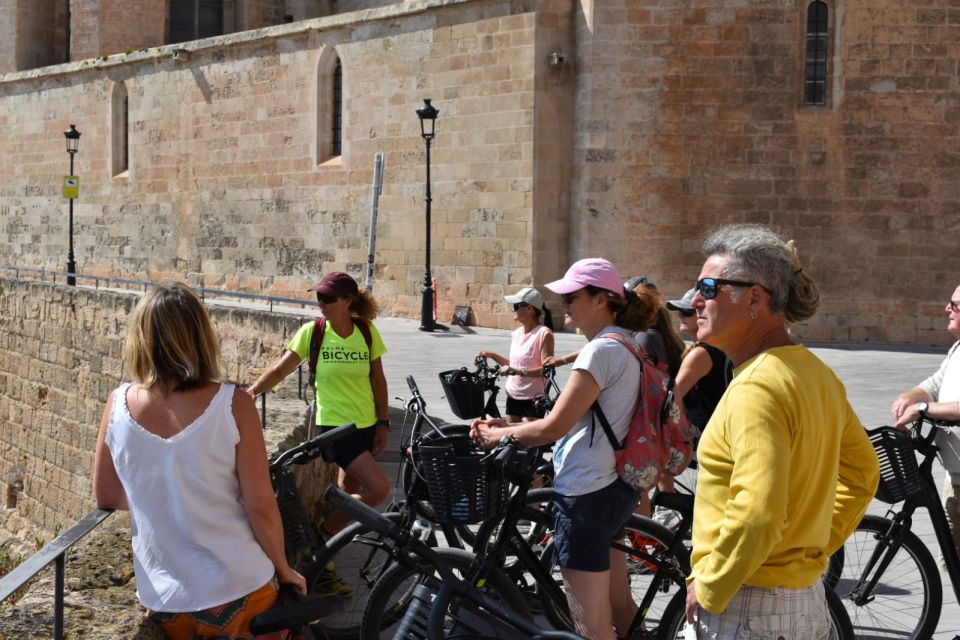
You start at Av. de Gabriel Roca, 12, where the guide gets everyone briefed and set up. You’ll sign a disclaimer and confirm you understand the bike-tour policy before you roll out.
Then comes the part that makes the rest of the tour feel smooth: you get a high-quality city bike, a helmet, and (if you like) a basket. The guide helps you adjust the seat to your height, and you get a quick demonstration on how the bike works, which matters more than it sounds when you’re navigating bike lanes and junctions.
Finally, you’ll get a rundown of what to expect in Palma—timing, local biking rules, and how to behave on the road and around pedestrians. This is one of the reasons the tour works well for a wide range of visitors: you’re not guessing how to merge with traffic or how strictly the group sticks together.
You can also read our reviews of more guided tours in Mallorca
From Palma’s seafront bike lane to Palma Cathedral (La Seu)
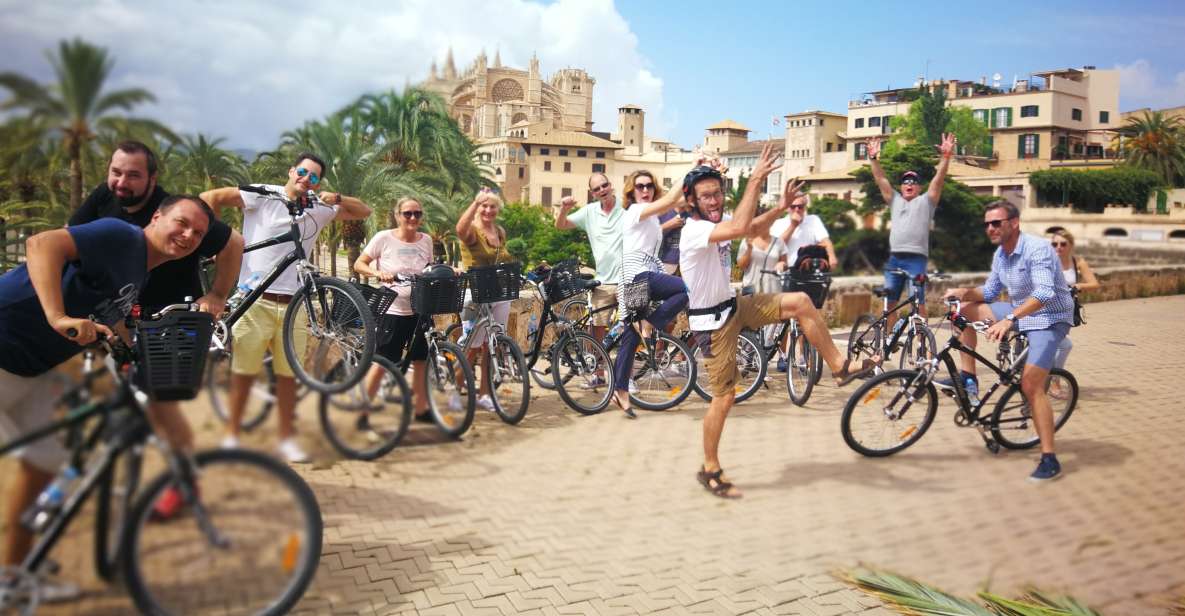
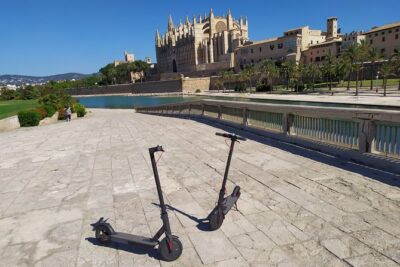
The route starts with that classic Palma visual payoff: the coast and seafront area. You’ll ride along the bike lane on the main waterfront avenue in the direction of La Seu (Palma Cathedral), with short scenic stops along the way.
This opening section is a big deal for first-time visitors. It’s easier to learn the city when you’re moving in a clear straight line along the water, instead of immediately wrestling with the old town’s tight turns.
As you approach the cathedral area, you’ll have photo stops and scenic lookouts built into the ride. One practical benefit: you can take pictures without cutting the tour short or sprinting between sights yourself.
If you get a guide like Caroline or Sandra, you can expect extra explanation about what you’re seeing in plain language, not just a list of landmarks. The vibe stays friendly and group-focused, which helps when you have different comfort levels with biking.
Parc de la Mar: where the walking-heavy streets start
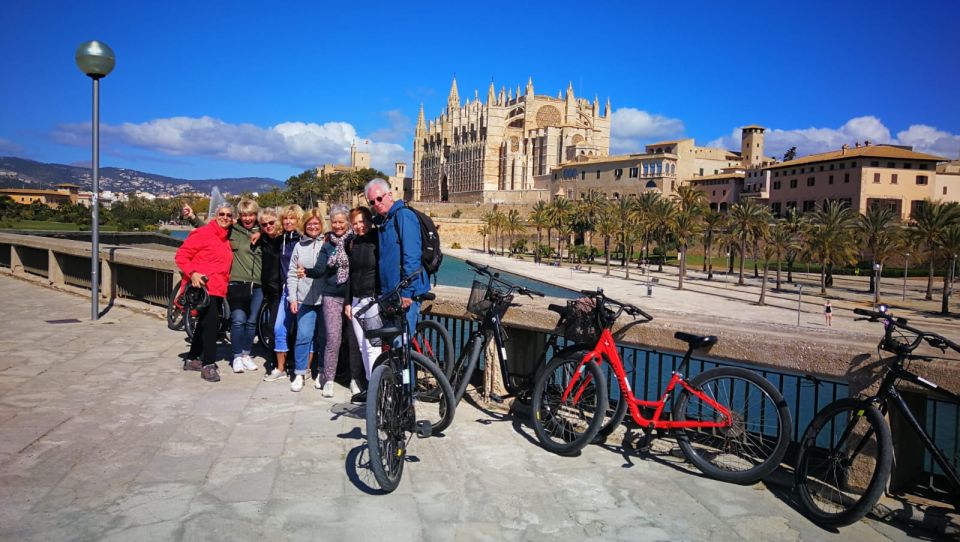
After the first stretches toward the cathedral, the tour shifts toward Parc de la Mar and the water-adjacent viewpoint areas. You’ll make a series of short stops here, which turns the route into a mix of cycling and quick sightseeing rather than one long continuous pedal.
Parc de la Mar is useful because it gives you the in-between view: you can see how the cathedral area relates to the waterfront and the old town. It’s also a natural transition point, so your brain stops treating everything as separate destinations.
The built-in pauses help you catch details—how the buildings sit, where the streets funnel into the old quarter, and why this area has always mattered for Palma. And if you’re traveling with a camera, these stop points are better than trying to pull over randomly on your own.
Rolling into the old town: narrow lanes, patios, and real atmosphere
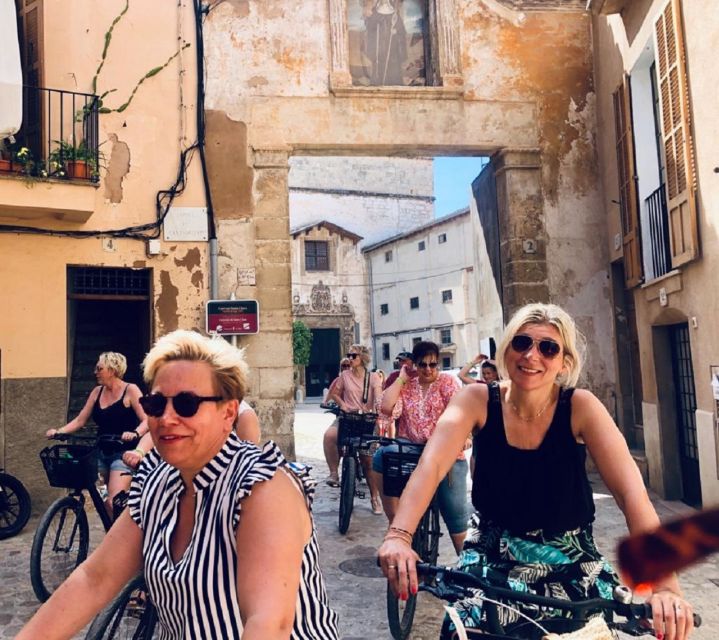
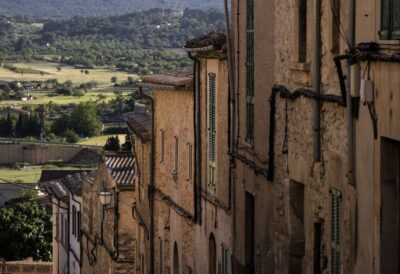
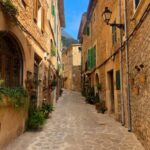
Once the tour enters the old town, the feeling changes fast—in a good way. You’ll go from open, sunny esplanades to tight alleys and narrow streets, where patios and old church spaces show up close to the route.
This is where biking becomes practical sightseeing. On foot, you can spend too much energy simply getting from one street to the next. On a bike, you cover more ground, but you still move slowly enough to notice the tiny changes in architecture and street life.
You’ll see multiple important churches and plazas during this stretch, with stops that help you connect the places instead of treating them as random snapshots. It’s also a solid way to learn what the old town layout means, so later you can wander with confidence.
Guides like Jackie and Alex have a reputation for keeping the group together and watching that everyone stays aligned. That matters here, because old-town streets are full of turns, sudden narrowing, and people crossing without much warning.
Convent de Santa Clara: a 13th-century working pause
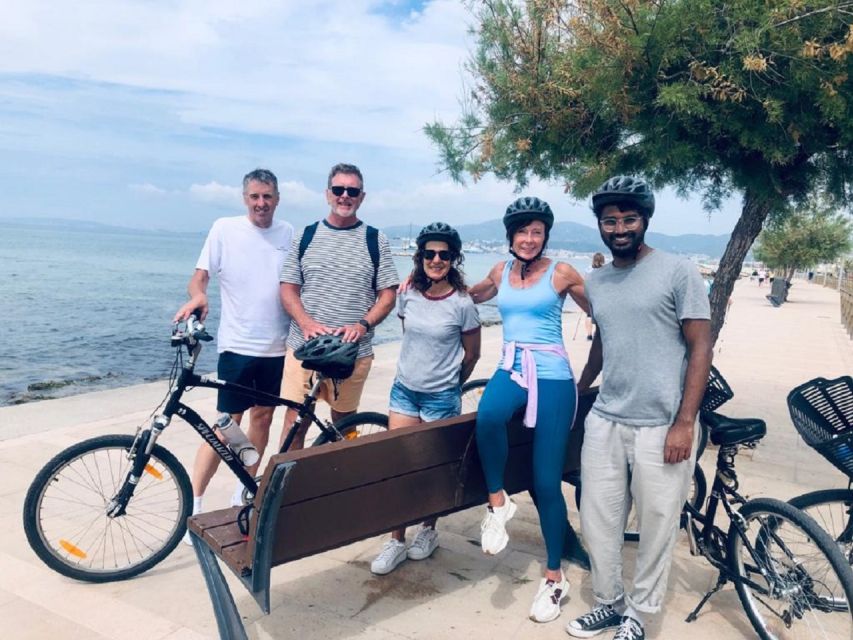
One of the most memorable stops is at Convent de Santa Clara, a convent that dates back to the 13th century and is still working. This isn’t just a photo stop; it’s a moment to slow down and step into a quieter rhythm.
There’s also a sweet-tooth option: you can buy a small edible treat there if you want. Even if you don’t buy anything, the stop adds a different side to the day—less monument, more daily life.
The timing works well because it breaks up the long stretch of riding and turning through the old quarter. It also gives you a psychological reset: after this, the route continues through the main historical sites without feeling rushed.



Plaça de Cort to Passeig des Born: big squares, easy orientation
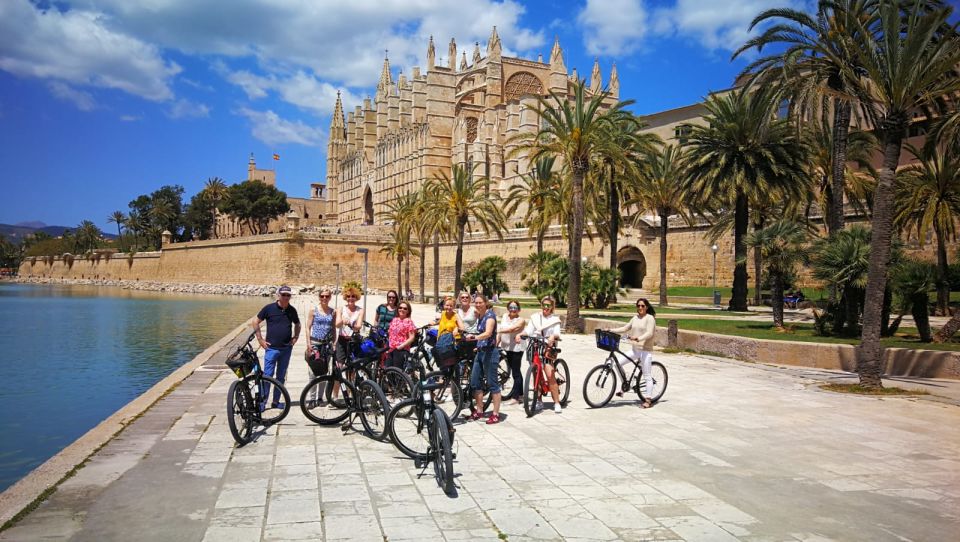
After the convent stop, the tour keeps threading through key landmarks in the historic core. You’ll pass by and/or stop near Plaça de Cort and Passeig des Born, two areas that help you understand how Palma organizes its public spaces.
Plaça de Cort is a great anchor point for getting your bearings. It’s an obvious meeting of streets and foot traffic, so once you’ve gone through that area on a bike, you’re less likely to feel lost later.
Passeig des Born, on the other hand, helps show how the city blends old and active. It’s more about the movement—people, strolling, and the sense of Palma as a living city rather than a set of museum rooms.
And if your guide is Vincent, you might get extra storytelling that feels like someone explaining what to notice first. That kind of framing makes the sights easier to remember later.
Lonja de Palma and the finishing loop you’ll remember
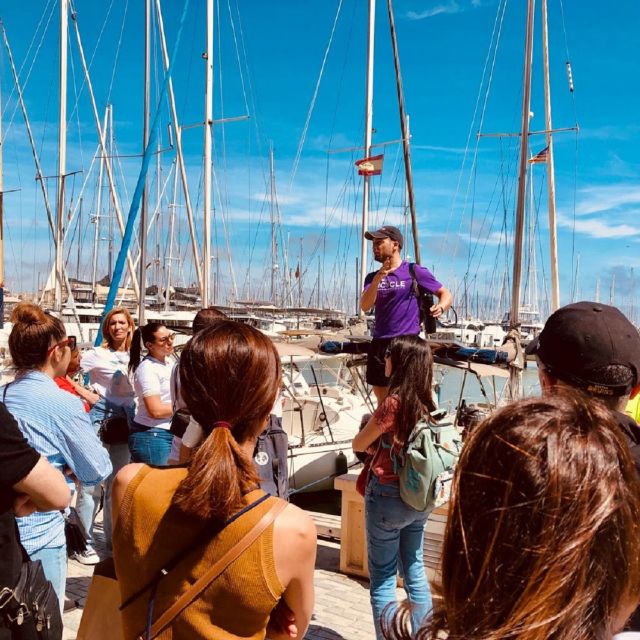
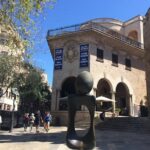
The last main stretch includes Lonja de Palma, plus the ride-by and scenic sections that connect everything back to the starting point. Lonja is one of those Palma structures that changes how you view the city—trade, influence, and wealth made in stone.
The nice part is that you don’t just get one glance and move on. The tour is built around short stops, pass-bys, and scenic segments that keep your attention from drifting.
When you arrive back at Av. de Gabriel Roca, it feels like you got the city’s backbone in one compact window. That’s the real payoff: you learn where the landmarks sit relative to each other, instead of collecting disconnected checkmarks.
How the pacing works: what the frequent stops really do
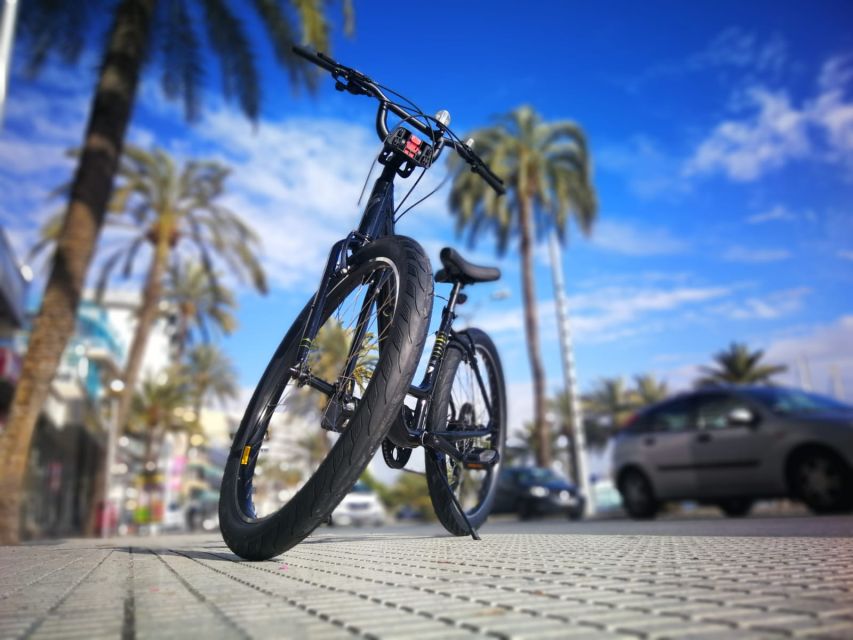
This tour stays enjoyable because it doesn’t treat biking as the only activity. The guide builds in regular pauses—photo stops when it counts, short breaks when you need to reset, and scenic sections where you can watch the city scroll by.
That’s especially helpful in Palma, where the scenery shifts quickly between water views and old street corners. If you’re the type who wants a bit of freedom, the frequent stops also create natural moments to breathe, stretch your legs, or grab water you might not have gotten earlier.
The guide also handles the “group math” that can be stressful on tours. Keeping people together is harder when bikes are involved, but small-group format helps, and the route is designed to be manageable.
One note: helmets are provided and required for kids under 16, so plan on wearing one if you’re in that age range. For adults, it’s still part of the setup you’ll get right away.
Price and value: why $53 makes sense (and where it might not)
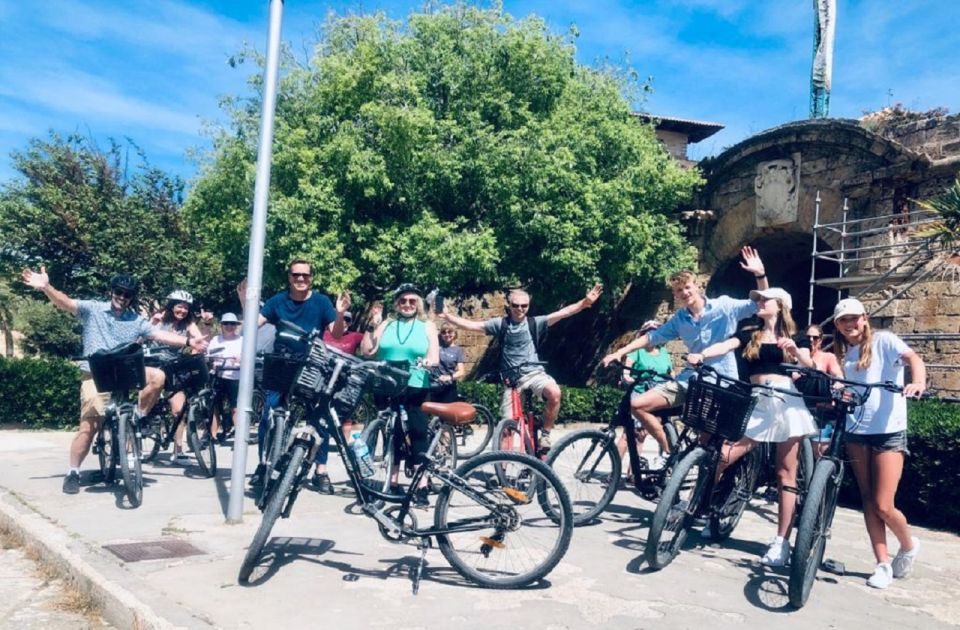
At $53 per person for about 2.5 hours, the value is strongest if you want guided context plus practical bike logistics. You’re not just renting a bike; you’re paying for route knowledge, timing, and a human who can point out what matters.
It’s also a good price if you hate the silent-approach problem: riding around with a map and still missing the story behind what you’re seeing. Here, the guide’s stops help translate the city into something you can remember.
Where value might feel weaker is if you already know exactly where you want to go and you plan to tour at your own pace with no need for guided explanations. If that’s you, you might spend less by just exploring on your own.
For most first-timers, though, this is a clean way to get the highlights in a short timeframe, then follow up later with deeper walking visits.
What to bring and when to ride Palma
Wear comfortable shoes and clothes. This is a biking tour, but it’s also sightseeing, which means you’ll be stepping off and on your bike and pausing in different parts of the city.
Water availability is practical: water can be purchased at the shop before you start. On hot days, that small planning detail helps you avoid the scramble mid-ride.
As for timing, the tour is designed to work in a typical morning or daytime slot, but keep in mind you’ll spend time outdoors along the seafront and through the old streets. If you’re sensitive to heat, plan accordingly and don’t treat the ride like a quick jog—pace matters.
Who should book this bike tour (and who should skip it)
This is best for people who can ride comfortably and want a guided route through Palma’s major historic areas. The small group of 8 helps keep the day calm, and the guide’s stop pattern makes it easier for most visitors to follow along.
If you’re thinking of bringing kids, note that helmets are obligatory until age 16, and you’ll be given helmets as part of the standard setup. Also, if anyone in your party gets motion sickness, has recent surgery, has pre-existing medical conditions, or can’t handle biking for any reason, this isn’t the right fit.
The tour also isn’t suitable for people with mobility impairments, people who can’t ride a bike, visually impaired people, hearing-impaired people, or people over 287 lbs (130 kg). If any of those apply, it’s smarter to choose a different type of tour that matches your needs.
Should you book this Palma Bicycle Tour?
Yes, if you want a short, guided way to connect the city’s waterfront, cathedral area, and old-town highlights without turning your day into logistics. It’s especially worth it when you like history explained in real-world street context, not in a classroom voice.
Skip it if you don’t want guided stops, you can’t comfortably ride a bike, or heat and outdoor time can wear you down quickly. For the right fit, this tour gives you an easy start, smart pacing, and a sense of Palma’s layout that you’ll feel all day long.
FAQ
Where does the tour start?
The tour starts at Av. de Gabriel Roca, 12 at the Palma Bicycle Tours main shop.
How long is the bike tour?
The tour lasts about 2.5 hours.
How much does it cost?
The price is $53 per person.
Is the tour guided in English?
Yes, the live tour guide offers the tour in English.
What’s included with the tour?
You get a bicycle, a guide, a helmet, and a basket (if you want one).
Do I need to wear a helmet?
A helmet is provided, and helmets are obligatory until age 16.
What group size should I expect?
It’s a small group limited to 8 participants.
Are there any weight limits?
Yes. The tour is not suitable for people over 287 lbs (130 kg).
What should I wear or bring?
Wear comfortable shoes and comfortable clothes.
What if my plans change?
You can cancel up to 24 hours in advance for a full refund, and you can reserve now & pay later.