REVIEW · MALLORCA
Mallorca: Coasteering North
Book on GetYourGuide →Operated by MES AVENTURA · Bookable on GetYourGuide
Mallorca’s coast turns into an obstacle course. Coasteering north is a fast, fun coastal circuit out of the Alcúdia cliffs, mixing cliff jumping, sea-cave swims, and rope-free climbing (psicobloc) with high-quality safety gear.
I like how the route stacks multiple challenges in one stretch of coastline, so you’re not just sightseeing—you’re doing. Another big win is the step-by-step progression on jumps (starting around 2–3 meters and working higher as you feel ready), with guides who explain technique and keep the vibe calm. The main consideration: this is for people who can handle the sea and swimming—if you’re a non-swimmer or seas are unsafe, your route may change or the activity may be cancelled for safety.
In This Review
- Key Things You’ll Remember From Coasteering North
- Why This Coasteering Circuit Feels Better Than One-Off Activities
- Alcúdia Cliffs: What the 3-Hour Flow Looks Like
- The Jump Sequence: Eight Water Landings With Different Heights
- Where Psicobloc (Rope-Free Climbing) Fits In
- Abseiling About 8 Meters (and Yes, You Can Skip Parts)
- Marine Tunnels and Cave Sections: The Part That Makes the Coast Feel Special
- Safety Gear and Guide Style: What “Confident” Actually Means
- What to Bring (So You Don’t Lose Time Before the Fun)
- Price and Value: Is $77 Worth 3 Hours of Adrenaline?
- Who Should Book Coasteering North (and Who Should Skip It)
- Should You Book Coasteering North in Alcúdia?
- FAQ
- Where does the coasteering north meeting take place?
- How long is Mallorca: Coasteering North?
- What’s included in the experience?
- Do I need to know how to swim?
- Are there options for people who don’t want every challenge?
- What should I bring?
- What language are the guides?
- Is there a cancellation policy?
Key Things You’ll Remember From Coasteering North
- Small-group energy (up to 10 people), which makes it easier to get help and get comfortable.
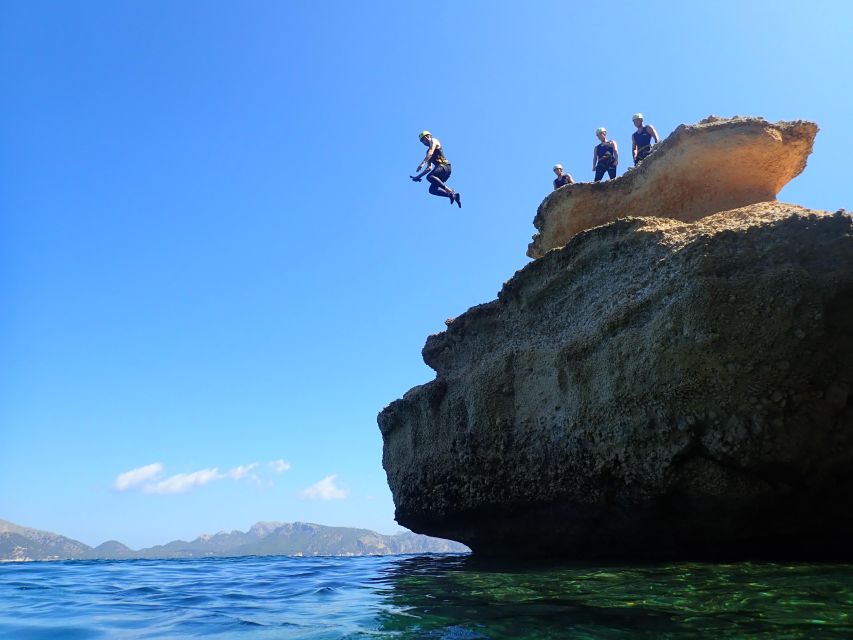
- Eight sea jumps with different heights, built to help you get used to jumping off cliffs.
- Psicobloc / Deep Water Soloing (rope-free) at about max 2 meters from sea level.
- About an 8-meter abseil, plus marine tunnels that make the whole coastline feel like a playground.
- Guides who teach technique so jumps protect your body, not just your ego.
Why This Coasteering Circuit Feels Better Than One-Off Activities
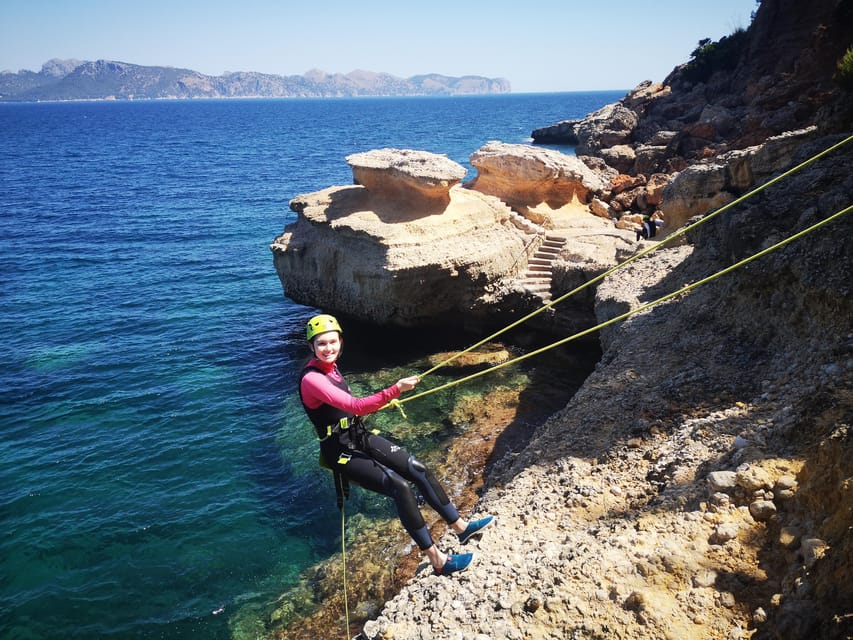
Coasteering north is built around a simple idea: instead of doing one adrenaline moment and calling it a day, you move through a full coastal circuit. In a few hours you’ll alternate between scrambling, jumping, short swims, and climbing moves near the waterline. That rhythm matters. It keeps you engaged, and it also helps you settle into the environment.
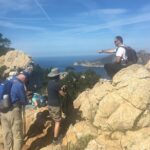
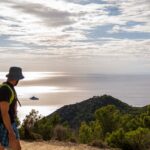
It’s also a very visual experience. The “I’m actually on the rock, looking out over open sea” feeling hits fast once you start moving along the Alcúdia cliffs. You get sea caves and tunnels that make the coastline feel like it has secret rooms. Even when you’re waiting your turn, you’re still surrounded by water and cliffs, not a parking lot and a briefing.
You can also read our reviews of more tours and experiences in Mallorca.

Alcúdia Cliffs: What the 3-Hour Flow Looks Like
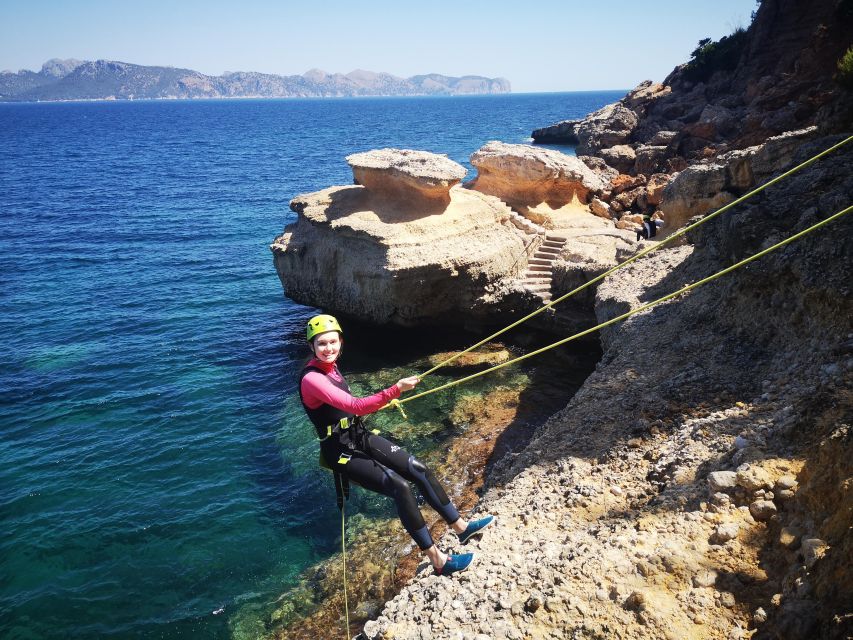
Your day starts at Carrer Fonoll, 8, with the guide meeting you at the parking area. From there, expect a mix of walking/hiking along the coast and short bursts of action. The total time is about 3 hours, and the pace is designed for summer conditions—active, but not frantic.
A useful way to think about the timing: you’ll spend part of the time getting oriented and moving between stations, then you’ll hit eight separate jumps into the sea. Between those jump moments, you’ll switch tasks—rope-free climbing (psicobloc), abseiling, and cave/tunnel swimming—so you’re not doing the same movement over and over.
The route can also change. If sea conditions make cave access unsafe, the guide can adjust the schedule or modify the route. That’s not a small detail. It’s how they keep the experience safe and still worth your time when conditions shift.
The Jump Sequence: Eight Water Landings With Different Heights
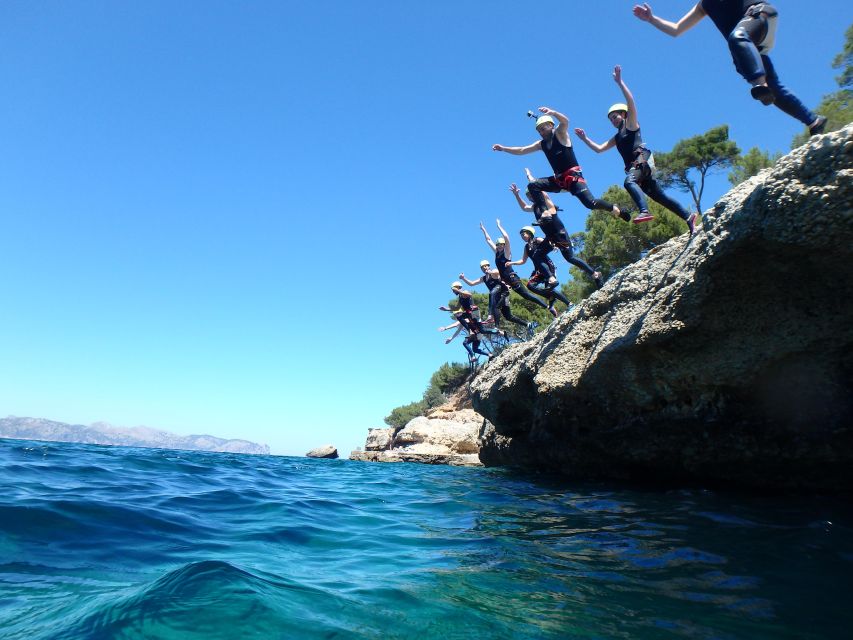
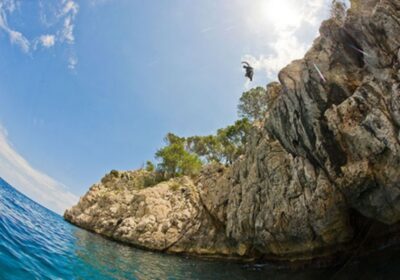
The headline here is the eight jumps into the sea. Each one is designed with a height progression so you can build confidence. The general range given is between 2 and 7 meters, and guides will typically start you lower while you get your timing and body position right.
One of the best parts is the way the jumps work as practice, not pressure. In past groups, guides like Juanfran were described as patient and focused on technique—especially helping protect the neck and lower back. That matters more than people think. When you jump from a cliff, it’s not only about fear. It’s about how you hit the water.
You might also see higher options for those who want them. One group described a step-by-step progression that reached around 13 meters for those who chose to go for it. If you’re the type who likes to push, you’ll probably like that structure.
Quick reality check before you go: you must be a confident swimmer. If water comfort isn’t there, this tour won’t feel fun—it’ll feel like stress.
Where Psicobloc (Rope-Free Climbing) Fits In
After you get some jumping momentum, the circuit shifts into psicobloc, also described as Deep Water Soloing (DWS). The key detail is that it’s climbing without a rope with you positioned up to about 2 meters from sea level.
So, yes, it’s scary for some people—but it’s scary in a controlled way. At that height, you’re not committing to the kind of vertical drop where a bad move turns into a bigger disaster. You’re practicing balance, grip, and decision-making right above the waterline.
This is where coasteering turns from “jump because it’s high” into “move because you can.” And for many people, that shift is a relief. You get a different kind of adrenaline: the brain working while your hands find holds.
Abseiling About 8 Meters (and Yes, You Can Skip Parts)
Next comes abseiling—about 8 meters. If you’ve never done it, your guide will set you up so you’re not figuring it out alone. You’re using proper safety equipment, and that reduces the mental load a lot.
Here’s the practical part that helps most: you don’t have to force yourself through every element. The activity is structured so that if you don’t want to do abseiling, a zip-line element, or the higher jumps, you can skip or the guide can adjust the route to your needs.
That flexibility is big for mixed groups. Not everyone has the same comfort level with heights, ropes, or jump timing. A good guide will help keep the experience fair without turning it into a performance where only the bravest people look good.



Marine Tunnels and Cave Sections: The Part That Makes the Coast Feel Special
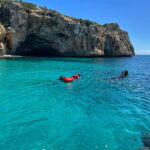
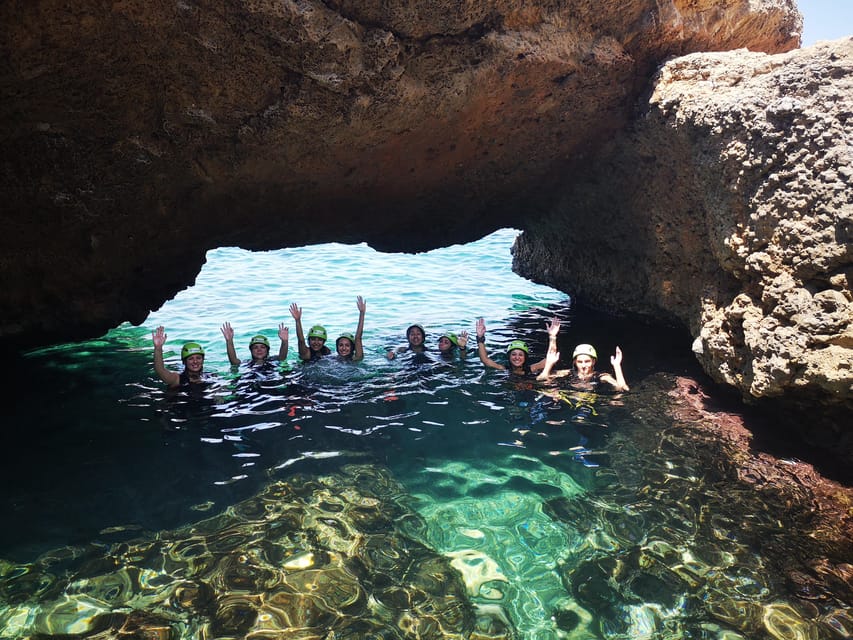
The route includes marine tunnels and cave-like sections. This is where the “coasteering” label turns into something more than a sport word. You’re not just outside by cliffs—you’re moving through rock formations shaped by sea water.
A tunnel stop also changes your senses. The water sounds different, the light shifts, and you’re often focused on where your feet and hands go. That focus can be calming after a jump—sort of like a reset button.
One caution: access depends on conditions. If the sea makes a cave unsafe, the guide can change the plan. That can feel annoying if you were hoping for one specific tunnel shot—but safety rules here are real, and they’re applied for a reason.
Safety Gear and Guide Style: What “Confident” Actually Means
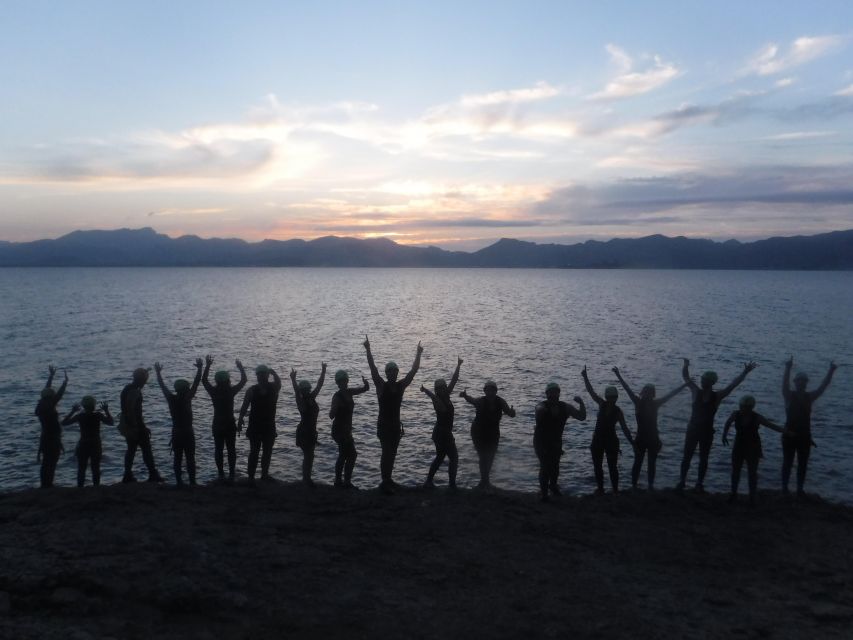
The tour is clear about using high-quality safety gear, and the small group size (up to 10 participants) gives guides the chance to spot issues quickly.
In the feedback you’ll see the same theme: patient, calm instruction. Guides like Alfonso and Dany were praised for explaining clearly, taking time, and motivating people without pushing them past comfort. That combination—support plus skills—usually creates the best outcome: you end up enjoying the risk instead of just surviving it.
Another helpful note: you might have the option to wear swim vests depending on your comfort level. One account described swimming vests being available, with some people choosing to go without once they were confident swimmers in their group. If you’re unsure, ask early. Your confidence matters, and so does the gear choice.
What to Bring (So You Don’t Lose Time Before the Fun)
This is an easy checklist, but the wrong gear can ruin your day. Bring:
- Swimwear
- Towel
- Sunscreen
- Water
- Your own booties with a rubber sole if possible
If you can’t bring booties, the activity may provide them. Either way, prioritize traction and comfort. Coasteering involves rock contact and moving on uneven surfaces, and grippy footwear helps you move faster with less worry.
Also note what’s not allowed: alcohol and drugs, and no littering. That keeps the environment clean and helps the guide maintain safety and focus.
Price and Value: Is $77 Worth 3 Hours of Adrenaline?
At $77 per person for about 3 hours, you’re paying for more than a view. You’re paying for a guided circuit that includes multiple technical elements: jumping, psicobloc, abseiling, and marine tunnels—plus the safety systems and instruction that make those elements work for regular visitors.
Value-wise, the best part isn’t just the number of activities. It’s the “one trip, many formats” payoff. If you only wanted one thrill, this might feel like overkill. But if you want a full coastal adventure where each stop shifts the challenge, the time-to-fun ratio is strong.
Also, the small group size is part of the value. With fewer people, you get better attention. That can be the difference between hesitating and actually enjoying the moment you’re standing on the rock.
Who Should Book Coasteering North (and Who Should Skip It)
This experience is best if you:
- Can swim comfortably
- Like active days more than long sightseeing walks
- Enjoy step-by-step thrills and don’t need a quiet, slow pace
- Want a group activity that still feels personal thanks to a small group
It’s not suitable for:
- Non-swimmers
- Pregnant women
If you’re an anxious person about water, start with the honest question: can you relax once your feet leave solid ground? Coasteering isn’t about pretending you’re fearless. It’s about having a guide, gear, and a route that builds confidence.
Should You Book Coasteering North in Alcúdia?
Book it if you want a summer adventure that mixes cliff jumps, psicobloc, abseiling, and sea caves into one compact 3-hour outing. It’s the kind of activity that makes Mallorca feel close up—hands on rock, feet in saltwater, and constant views from the Alcúdia cliffs.
Skip it if swimming isn’t your thing, you hate heights, or you need a very predictable, low-change schedule. Also, be honest about conditions: sea and cave access can change plans, and the guide won’t take risks just to match a timetable.
If you fit the swim-and-adventure profile, this is one of those rare tours where the thrills are varied, the instruction is supportive, and the setting does most of the work for you.
FAQ
Where does the coasteering north meeting take place?
You meet at the parking area near Carrer Fonoll, 8. Your guide will be there.
How long is Mallorca: Coasteering North?
The activity lasts about 3 hours.
What’s included in the experience?
It includes eight sea jumps, DWS/psicobloc traverse, rappel/abseiling about 8 meters, marine tunnels, and time for stunning views.
Do I need to know how to swim?
Yes. The activity is not suitable for non-swimmers.
Are there options for people who don’t want every challenge?
Yes. If you don’t want to do abseiling, zip-line, or jumping from high places, you can skip or the guide can adjust the route to your needs.
What should I bring?
Bring swimwear, a towel, sunscreen, and water. It’s also recommended to bring your own booties with a rubber sole if you can.
What language are the guides?
The instructor speaks Spanish and English.
Is there a cancellation policy?
There is free cancellation up to 24 hours in advance for a full refund. Also, the activity might be cancelled for safety reasons due to weather or sea conditions, and in some unsafe cave scenarios the schedule or route may be modified.