REVIEW · MALLORCA
Els Calderers House Museum in Mallorca
Book on Viator →Operated by Els Calderers · Bookable on Viator
Thirty rooms, one quietly complete Mallorca. Els Calderers House Museum lets you see 30+ rooms—from a priest’s office and chapel to a bread oven, carpentry, and blacksmithing—on an English tour. You’ll get a sense of how wealth and farm life sat side by side, but a key consideration is the condition of the animal yards and exterior areas.
I like that the visit is built for a steady pace: about 3 hours with a maximum of 15 people, so you’re not just herded through. It’s also practical—start at Museu Etnològic dels Calderers in San Juan and the tour ends back there, and you get free parking.
One thing to plan for: the interior presentation is praised as beautiful and well preserved, yet some visitors found signs of dust or that the exhibition felt a bit run-down. If you’re extremely sensitive to how farms keep animals, you’ll want to weigh that before you go.
In This Review
- Key highlights you’ll feel when you visit
- Els Calderers House Museum: a working estate, not a museum-on-a-stand
- What to expect from the 3-hour English tour
- Ground floor rooms: chapel, priest’s office, and the cellar vibe
- Main bedroom and dependencies: how privacy and routine were built
- Work-and-supply rooms: barn, peasant kitchen, laundry, and ovens
- Outbuildings and farm machinery: carpentry, blacksmithing, and milling
- The animal yards: where opinions diverge
- Exterior orchards and oranges: a small detail with a larger point
- Price and logistics: why this feels like good value
- What could make this a miss for you
- Who should book Els Calderers House Museum (and who should think twice)
- Should you book Els Calderers House Museum?
- FAQ
- How long is the Els Calderers House Museum experience?
- What does it cost, and what’s included?
- Is the tour available in English?
- How large are the groups?
- Where do I meet for the tour?
- Is parking available?
- Do I need private transportation?
- Can I cancel for free?
Key highlights you’ll feel when you visit
- A house tour that includes working-era spaces like bread ovens, mills, and blacksmithing areas
- A small-group English walkthrough designed for up-close room viewing
- Step-by-step room sequence starting on the ground floor with chapel and cellar
- Exterior farm areas with corrals, pig areas, and equine spaces
- Price that’s hard to beat for a ticketed, multi-room guided visit
- Bring cash as a backup for the bar, based on how some visits have gone
Els Calderers House Museum: a working estate, not a museum-on-a-stand
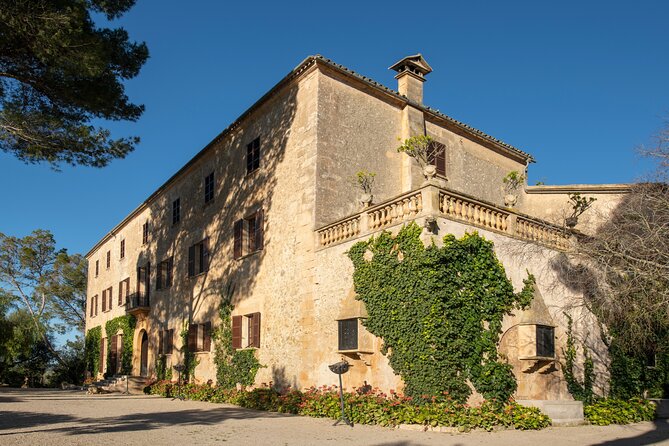
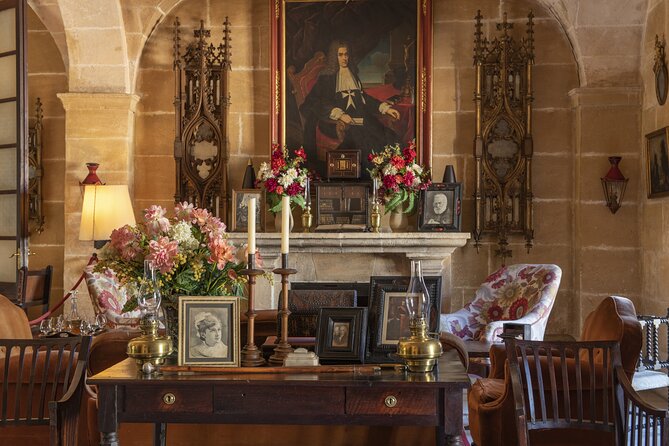
Els Calderers feels less like a glass-case museum and more like a lived-in estate frozen in time. You’re moving through rooms that show status (chapel, priest’s office, bedrooms) and rooms that show labor (kitchens, laundry, mills, carpentry, blacksmithing). That mix is what makes the place click for me: you get the “home” and the “factory” in one route.
The house itself is described as very well preserved and full of period objects—clothes, tools, and everyday items that help you picture routine, not just decoration. And because the tour covers so many rooms, you don’t just see one style of interior; you see changes in function, privacy, and work.
Value matters here. At $10.81 per person for roughly three hours, with the ticket included and a small group limit, this is priced like something meant to be accessible, not exclusive. If you’re already in Mallorca’s east area, it’s also an easy add-on that doesn’t eat your whole day.
You can also read our reviews of more museum experiences in Mallorca


What to expect from the 3-hour English tour
This visit is about three hours and includes admission. It’s offered in English, and the group stays at a maximum of 15 travelers, which keeps the tour from feeling crowded.
You’ll start at Museu Etnològic dels Calderers, on the Finca Els Calderers Camino, in Els Calderers, 07240 San Juan. The experience ends back at the same meeting point. That matters because it reduces logistics stress—no long “transfer to the next stop” rhythm.
Inside, you move through more than 30 rooms, and the flow is pretty structured. The route starts on the ground floor, then climbs through bedrooms and domestic spaces, and eventually moves out to the estate’s more utilitarian spaces like workshops and farm areas. Expect the tour to be a guided walkthrough where your guide points out the function of each space, not just a quick look-around.
One practical note from visitor experience: the interior can feel cool even when it’s warm outside. If you tend to get cold in stone houses, bring a light layer.
Ground floor rooms: chapel, priest’s office, and the cellar vibe
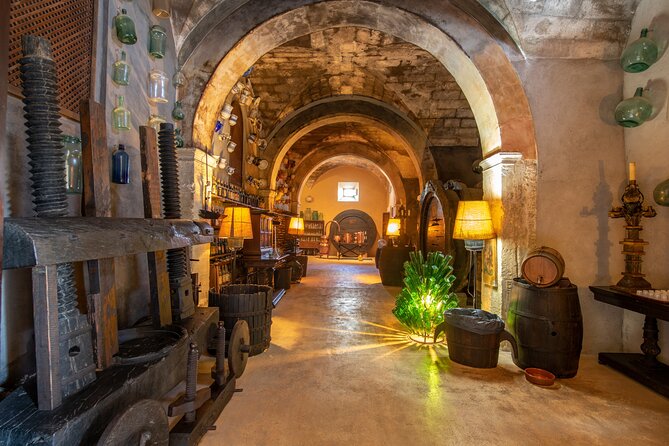
The tour’s first stretch is on the ground floor, and it’s a smart way to set the tone. You begin in a couple of halls, then you move into places tied to religion and service.
You’ll see the Office of the Priest and then step into the Chapel. Even if you don’t read much religious symbolism, these rooms tell you how authority and daily life were intertwined. The house wasn’t only for comfort—it was also a social machine, with roles and spaces for the people who kept the household running.
Next comes the Celler, which is the wine/cellar area. That’s a big deal because it connects to real consumption and storage. You start to understand the estate as something that planned for seasons and cycles, not just as a pretty residence.
If you love details, this is where you’ll likely enjoy the contrast most. Halls and ceremonial spaces can feel formal, while a cellar space feels practical and grounded. Put those together and the house makes more sense as a whole.
Main bedroom and dependencies: how privacy and routine were built
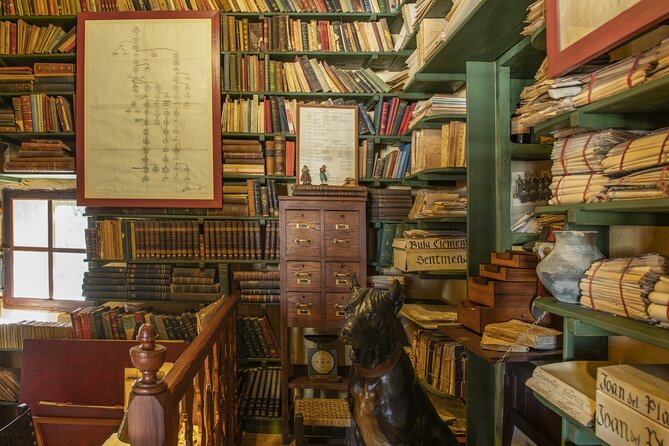
After the ground floor, the tour moves toward the main bedroom and its surrounding dependencies. This isn’t just “another room.” The way these spaces connect shows you how daily life worked around a central private area.
You’ll pass through the main bedroom and its dependencies, including a common room and a dressing room for the man (the tour wording lists it as separate spaces). Then you go through a corridor, a toilet, and an ironer area.
That ironer stop is the kind of room detail that makes the estate feel real. Laundry and pressing are invisible work if you only tour grand living rooms, but here you see the spaces where presentation was maintained. It’s a reminder that refinement wasn’t magic—it was scheduled labor.
If you’re short on patience for long explanations, don’t worry: the rooms themselves do a lot of teaching. You can usually connect the dots by function—cleanliness, storage, dressing, and the privacy of personal spaces.
Work-and-supply rooms: barn, peasant kitchen, laundry, and ovens
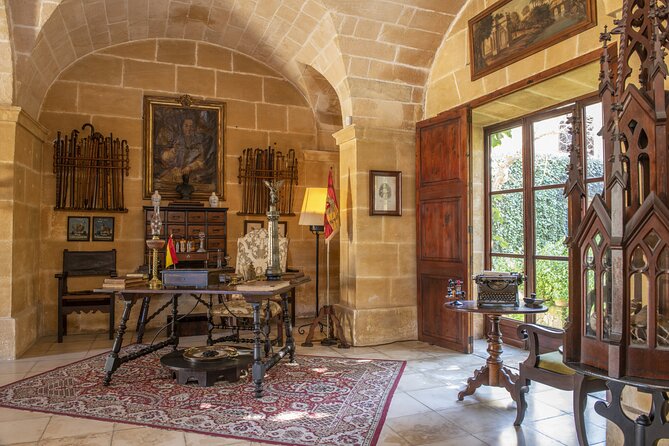
Midway through, the tour shifts closer to production and food prep. You’ll see a Barn and Bedrooms before heading into the estate’s food-and-servants workflow.
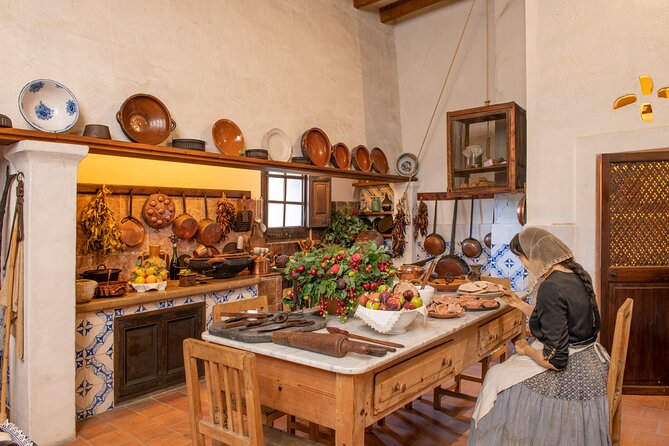
Key stops include the Peasant Kitchen, Toilets, Bar, Souvenirs, Bread Oven, and Laundry. The bread oven is especially meaningful. It signals that the estate planned meals as a process, not a last-minute choice.
The laundry area adds another layer. Clothes weren’t casual here; they were part of how rank and respectability showed up. Even without a guide going deep into technique, the existence of these rooms helps you imagine the household rhythm.
One visitor called out the overall interior as beautiful and cool, and that matches the idea that you’re not trudging through one boring exhibit room. The layout keeps changing function, so your brain stays engaged even if you’ve visited other historic houses that day.




Outbuildings and farm machinery: carpentry, blacksmithing, and milling
As the tour nears its final stretch, you move into the estate’s tool and machine world—exactly the part that makes Els Calderers feel like a working property.
You’ll visit Carpentry and Blacksmithing spaces, plus Algarrobos and Almonds Machinery. Then comes Pig slaughter room, followed by Corrals with different animals. After that, you’ll see the Flour Mill and the Corral of equine animals, finishing at the Porch of carts and garnishes.
This set of stops is where you’ll get the best sense of the estate as an economy. Flour mills and bread ovens connect directly. Nuts and almond machinery connect to storage and processing. Blacksmithing tells you what you needed to keep everything running—tools, repairs, hardware.
If you’re the type of traveler who cares about how things were made and maintained, this section is your payoff. It also helps explain why the estate is more than just a house: it’s an entire system.
The animal yards: where opinions diverge
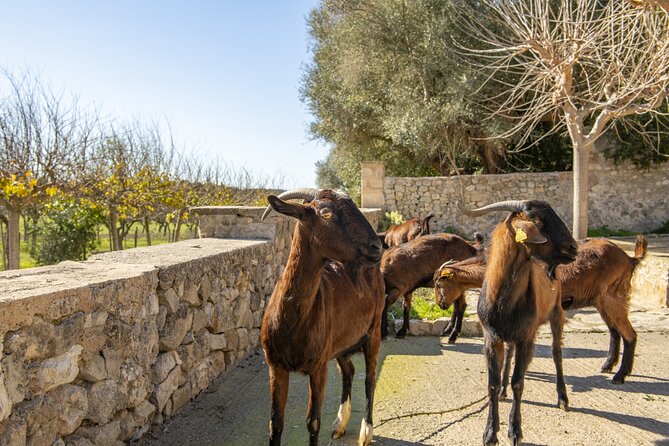
The outdoor animal areas are the part of the visit where experiences can feel very different depending on what you’re hoping to see. The route includes corrals with different animals, a pig area, and equine corrals, plus an exterior setting with farm life that brings the place to life.
Some visitors felt the animals were in good condition and noted that the pens can be clean and the animals have shade and water. Others reported bare pens with limited bedding and mentioned concrete flooring, especially in heat. There’s also a recurring theme of wanting more grass or fiber, even if the pens look tidy.
So here’s the practical way to think about it: you’re touring a rural estate museum in a Mediterranean climate, which often means different ground cover expectations than what you might be used to in wetter regions. Still, if animal welfare is your top priority and you strongly prefer animals on softer bedding or lush forage, you should go in with eyes open.
One extra detail: dogs can be part of the exterior scene, including mention of a dog on a chain. If you don’t enjoy that kind of close farm presence, it’s worth mentally preparing.
Exterior orchards and oranges: a small detail with a larger point
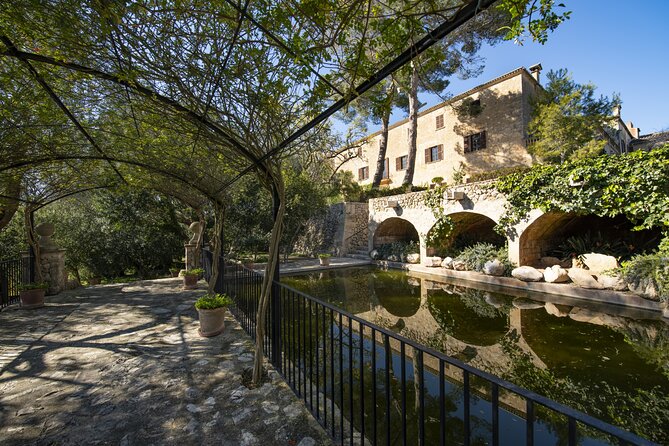
Outside, the setting is described as lovely, with gardens and orchards that frame the estate. That makes the tour more than just rooms—you get visual breathing space and a sense of setting.
There’s also a small, oddly human detail: staff responded about the fruit on the ground, explaining that if oranges are bitter, they can’t be used. That ties back to how the estate worked with what nature gave them, rather than forcing everything to be perfect.
It’s not a headline moment, but it adds authenticity. It’s the difference between a site that only performs history and one that still thinks about practical use—food, storage, and what’s fit for anything that resembles consumption.
Price and logistics: why this feels like good value
At $10.81 per person for about three hours, with admission included, Els Calderers is priced like a ticketed guided visit rather than a pricey full-day outing. The small group size cap (15) helps justify the structure: you should be able to hear explanations and take in details without constant crowding.
You also get free parking, which is a huge deal on Mallorca. Private transportation isn’t included, so you’ll want to plan your ride ahead of time based on where you’re staying. If you’re coming by car, free parking reduces friction.
Booking rhythm also matters. This experience is typically booked about 10 days in advance on average. That suggests demand stays steady, so if you want a specific day, don’t wait until the last week.
Also, English is offered. If you’re not comfortable with Spanish, this is a clear advantage over many smaller historic sites where the best info is only in the local language.
What could make this a miss for you
Els Calderers has a strong “preserved estate” feel, but it isn’t perfect in every way. A couple of recurring complaints include dust accumulation and an overall impression that parts of the exhibition can feel unkempt or run-down. There are also mentions of confusing written materials that didn’t match room numbering during a visit.
Then there’s the animal-areas question, which is the biggest emotional variable for many people. If you need everything to meet a specific standard in outdoor husbandry, you may not love how bare some pens look.
One more practical tweak: a visitor noted the bar didn’t accept card payments at the time. I can’t guarantee it’s always true, but I’d treat it as a reason to bring some cash just in case you want a drink or snack.
Who should book Els Calderers House Museum (and who should think twice)
You’ll likely enjoy Els Calderers most if you like places where history includes work. If you enjoy seeing how everyday tasks were spatially planned—laundry, bread-making, milling, tool maintenance—this estate tour delivers.
It’s also a good fit for travelers who want a focused time window. Three hours is long enough to cover the house and the outdoor work spaces, but short enough that you can still enjoy other parts of Mallorca after.
It may be less ideal if you’re mainly chasing a polished museum experience with perfectly staged exhibits and minimal distractions. The exterior farm component is real, and the presentation of animals can be a point of stress for animal-focused visitors.
Finally, if you want a gentle pace, you’ll get it more easily with a small group cap. If you’re trying to fit too many stops into one day, consider keeping the rest of your schedule light so you don’t feel rushed during the tour.
Should you book Els Calderers House Museum?
Yes, if you want an English-guided, small-group walk through a historic Mallorca estate that blends home life with production spaces. The room variety is the big reason to book: chapel and cellar sit next to laundry and bread ovens, then you shift into mills, workshops, and farm areas.
Think twice if animal care presentation is a non-negotiable for you, or if you strongly prefer museum spaces that feel spotless and newly maintained. Also consider bringing cash and wearing layers, because older interiors can run cool and the outdoor farm elements are part of the experience.
If you’re curious about Mallorca beyond beaches, this is a practical, memorable way to see how people lived and worked in one property.
FAQ
How long is the Els Calderers House Museum experience?
It lasts about 3 hours.
What does it cost, and what’s included?
The price is $10.81 per person, and the admission ticket is included.
Is the tour available in English?
Yes, it is offered in English.
How large are the groups?
The experience has a maximum of 15 travelers.
Where do I meet for the tour?
You start at Museu Etnològic dels Calderers, Finca Els Calderers Camino, Els Calderers, 07240 San Juan, Illes Balears, Spain.
Is parking available?
Yes. Free parking is included.
Do I need private transportation?
Private transportation is not included, so you’ll need to arrange how you get there.
Can I cancel for free?
Yes. You can cancel up to 24 hours before the experience for a full refund.