REVIEW · MALLORCA
Sóller: Jardines de Alfabia Entrance Ticket
Book on GetYourGuide →Operated by Jardines de Alfabia · Bookable on GetYourGuide
Arabic gardens, five centuries of house stories.
I love how Alfabia mixes a classic Mallorcan home with Arab-style gardens in the Serra de Tramuntana UNESCO landscape. I also love the feeling of walking through time: one visit shows Roman-Andalusian roots, Arabic details, and later European decoration all living side by side. One drawback to keep in mind is seasonal timing: if you go in late fall or winter, you may find fewer flowers, and a few people have pointed out that garden maintenance can feel uneven.
The grounds reward slow walking. You’ll follow a wide avenue lined with large plane trees, then arrive at a traditional Mallorcan patio with fountains and hydrangeas, plus touches of English garden design. Still, plan your visit with the rules in mind: you need an identification bracelet, and the last entry happens 60 minutes before closure.
In This Review
- Key highlights you’ll remember
- Alfabia’s appeal in plain terms: gardens + a house that refuses to be one thing
- Getting to Sóller: bus and train options that actually work
- Arriving at Alfabia: what to do first once you walk in
- The Arab gardens and the long plane-tree avenue: cool shade and design cues
- The traditional Mallorcan patio: where the estate’s “home” feeling clicks
- Inside the house: layered styles you can actually spot
- Timing your visit: how long one day should feel (and how not to rush it)
- Price and value: $11 for a UNESCO-area estate with two strong attractions
- Best fit: who will love Alfabia most
- A quick reality check before you book
- FAQ
- How long is the Alfabia experience?
- What does the entrance ticket include?
- Is the ticket valid for only one day?
- What time is the last entrance?
- Do I need to wear an identification bracelet?
- How can I reach Alfabia by public transport from Palma?
- Can I get there using the Sóller Train?
- Are there different starting times to choose from?
- Is free cancellation available?
- Is there a reserve-now, pay-later option?
Key highlights you’ll remember
- Serra de Tramuntana UNESCO setting: a historic estate in Mallorca’s dramatic mountain belt
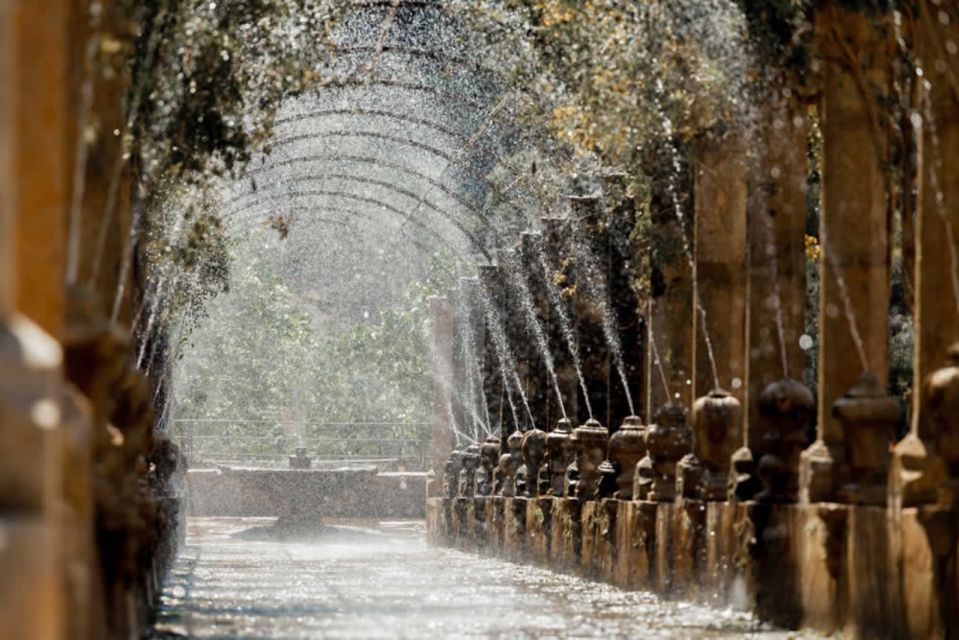
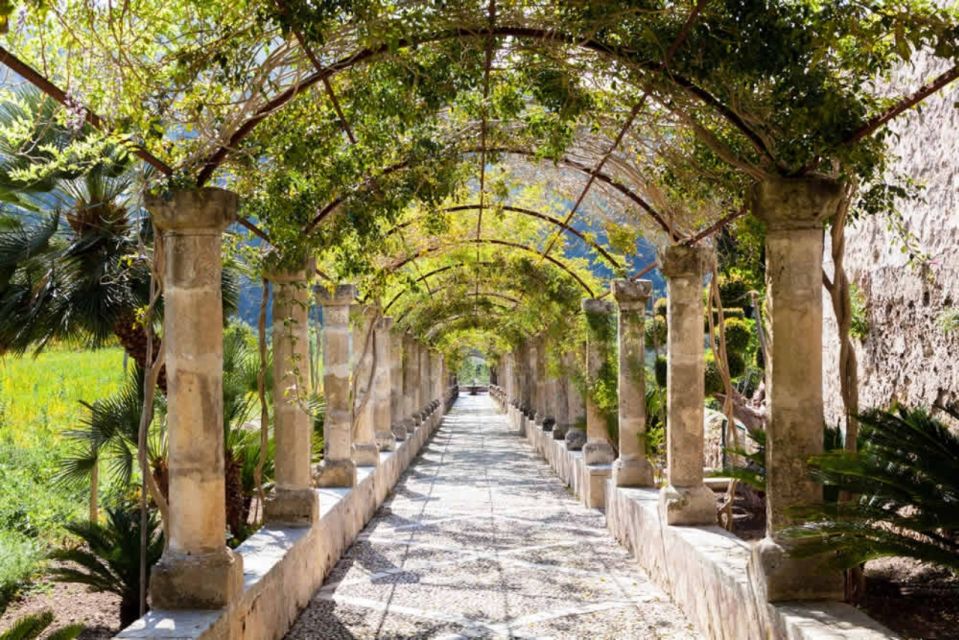
- Three-lane plane-tree avenue leading you toward the patio
- Fountains and hydrangeas that add cool color even when bloom is lighter
- A 500+ year house shaped by multiple eras, from Arabic to Gothic, Renaissance, Baroque, Rococo, and even English decoration
- A place designed for balance: conservation alongside changes made over time
Alfabia’s appeal in plain terms: gardens + a house that refuses to be one thing
If you like places where history isn’t sealed behind ropes, Alfabia is a good bet. This is an estate where a typical Mallorcan house sits within Arab-style gardens, and the whole setting is framed by the Tramuntana mountains. The result is not a museum that feels like one era frozen in time. It feels like a home that kept evolving.
What makes it especially satisfying is the pairing. Gardens give you the sensory reset: shade, water sounds, and plant life. Then the house pulls you into something more architectural and complex—Roman-Andalusian foundations, plus visible Arabic, Gothic, Renaissance, Baroque, Roman, Rococo, and English influences. In other words, you’re not just looking at pretty rooms. You’re seeing how tastes and cultures layered across centuries.
That layered approach also helps you understand why some people love it and some people don’t. If you want a perfectly linear story—one style, one theme, one mood—this can feel like a collage. If you enjoy noticing how buildings absorb different influences, you’ll probably come away with a stronger connection to the place.
You can also read our reviews of more tours and experiences in Mallorca



Getting to Sóller: bus and train options that actually work
You’ll visit Alfabia from Sóller, and you have two straightforward ways to get there from Palma.
Public bus option: Take bus Line 211 from Palma. The departure times are listed by TIB here: https://www.tib.org/es/web/ctm/autobus/linia/211. This is a solid choice if you want predictable, no-fuss public transport without thinking about parking.
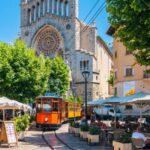
Train option: Use the Sóller Train if you’re already in the Palma area and want a scenic route. For departure times, check here: http://trendesoller.com/horarios.
Why this matters: the estate is easier when you arrive with a clear plan for your return. Since last entry is capped (more on that below), you don’t want to gamble on transport that’s slower than expected.
Arriving at Alfabia: what to do first once you walk in
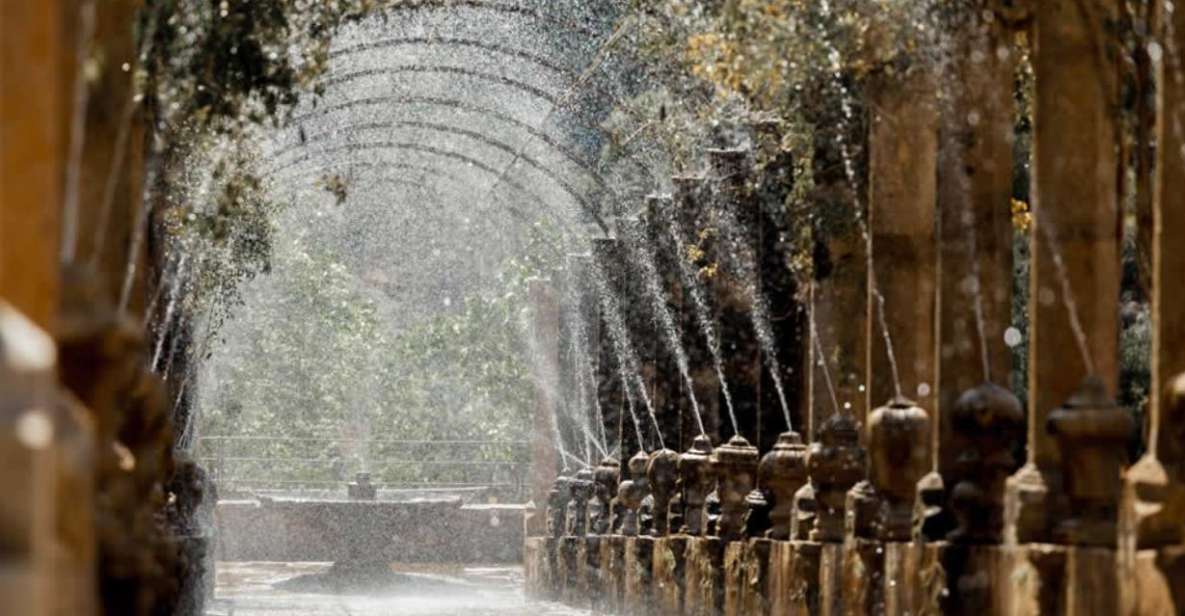
The ticket is an entrance ticket, valid for one day, and you’ll want to choose a starting time based on availability. Once you arrive, think in terms of flow: gardens first, then the house. The garden walking sets your pace. After that, the interior spaces make more sense, because you’ve already shifted from outdoors to “rooms as artifacts.”
Also, be ready for the identification bracelet requirement. It’s quick, but it’s the kind of detail that can trip you up if you show up at the last moment.
Two practical tips that help:
- Wear comfortable shoes. Even if the paths look friendly, garden estates usually mean more walking than you expect.
- Bring water. The gardens are cooler under trees, but you’ll still spend time moving around.
The Arab gardens and the long plane-tree avenue: cool shade and design cues
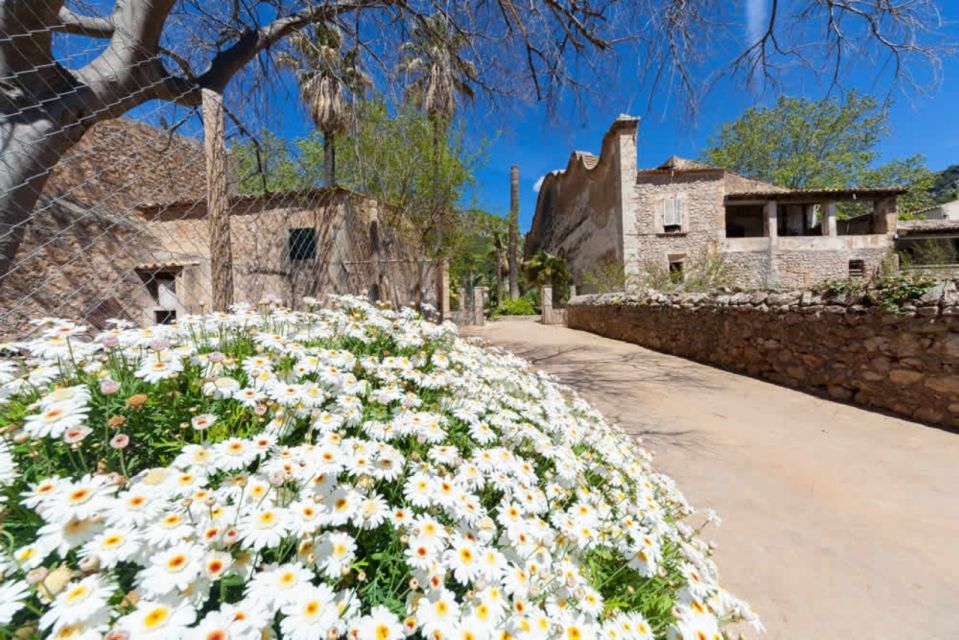
The gardens are one of Alfabia’s biggest reasons to come. You’re not looking at random plantings. The layout guides you.
One standout detail is the wide avenue lined with large plane trees, and the avenue is described as having three lanes. That kind of structure does something simple but powerful: it gives you a clear “walk forward” rhythm. You keep moving, and the estate gradually opens up toward the patio and key views.
As you stroll, look for the small cues that show different influences:
- Water fountains that break up the monotony and add a cooling element
- Hydrangeas, which bring soft color that can feel lush even when other plants aren’t at peak bloom
- Signs of English garden design inside a clearly Mediterranean garden setting
The English influence isn’t about turning this into a British park. It’s more about how the paths feel and how the greenery is arranged to create pleasant sightlines. You end up with something that feels both local and curated, which is exactly what makes garden estates fun: they don’t just plant things, they stage the experience.
The traditional Mallorcan patio: where the estate’s “home” feeling clicks
At the end of the approach, you reach a traditional Mallorcan patio. This is the moment where the gardens stop being just scenery and start acting like part of a dwelling. The patio is the transition space—half outdoor room, half architectural breath.
In a typical Mallorcan context, a patio isn’t just decoration. It’s functional. It supports a lifestyle built around shade, air flow, and a calm center of the home. At Alfabia, that tradition ties back into the estate’s larger theme: the house and gardens aren’t separate attractions. They work together.
Spend a few minutes here without rushing. This is where you can mentally map the rest of the visit. You’ll also get a better sense of why the estate is described as balanced—older elements are allowed to remain, but the whole complex still feels usable and coherent.




Inside the house: layered styles you can actually spot
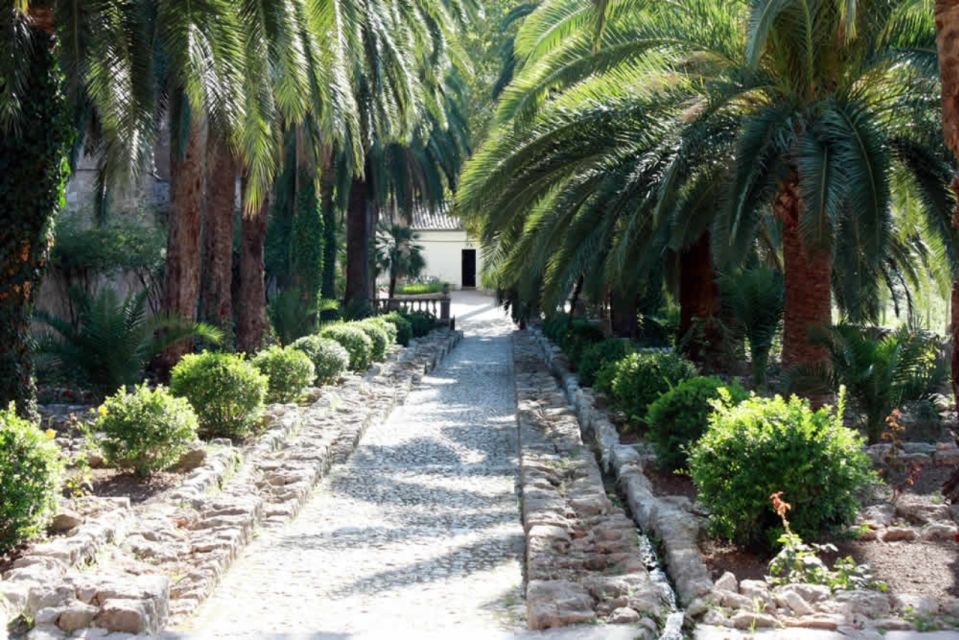
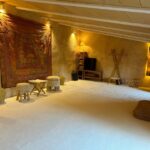
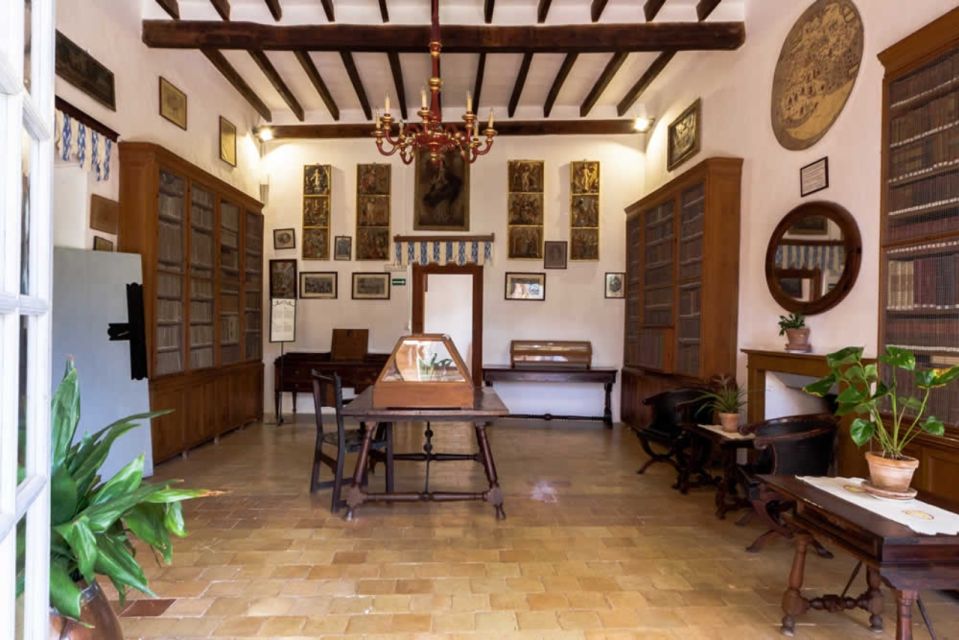
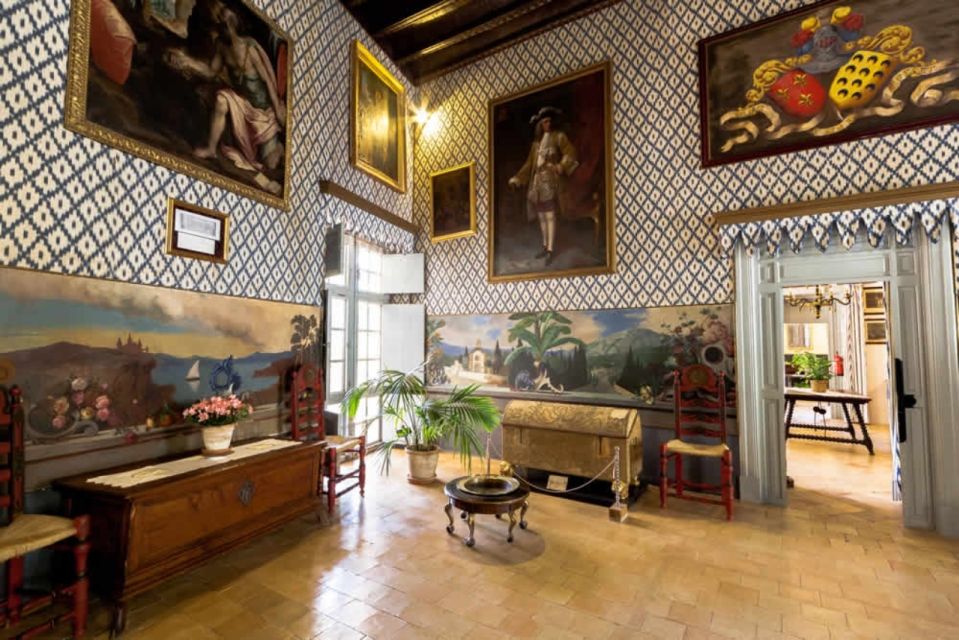
The house is the other half of Alfabia’s magic, and it’s where you’ll spend your attention differently. The estate’s house is said to have over 500 years of history, and it’s presented as a combination of multiple eras.
Here’s what you’re looking for, conceptually:
- Roman-Andalusian roots: the foundation of the building’s identity
- Arabic elements: details that link back to the Arab influence in Mallorca’s architectural story
- Gothic, Renaissance, Baroque, Rococo: later European layers that show changing tastes over time
- Even English decoration: yes, it’s mentioned as part of the mix, which makes the estate feel like it absorbed influences rather than rejecting them
If you like architecture, this is the best place to slow down and compare. Don’t try to memorize every style name. Instead, use a simple approach:
- Identify what feels older or more foundational.
- Notice where ornamentation becomes more decorative or more “stage-like.”
- Watch for shifts in mood—how certain rooms or features feel like they belong to different centuries.
One more note: Alfabia is described as a model of respect for the past and evolution, with conservation plus innovation. You can feel that in the way older structures aren’t wiped away for a single “perfect” style. Instead, the complex keeps its balance across eras.
Timing your visit: how long one day should feel (and how not to rush it)
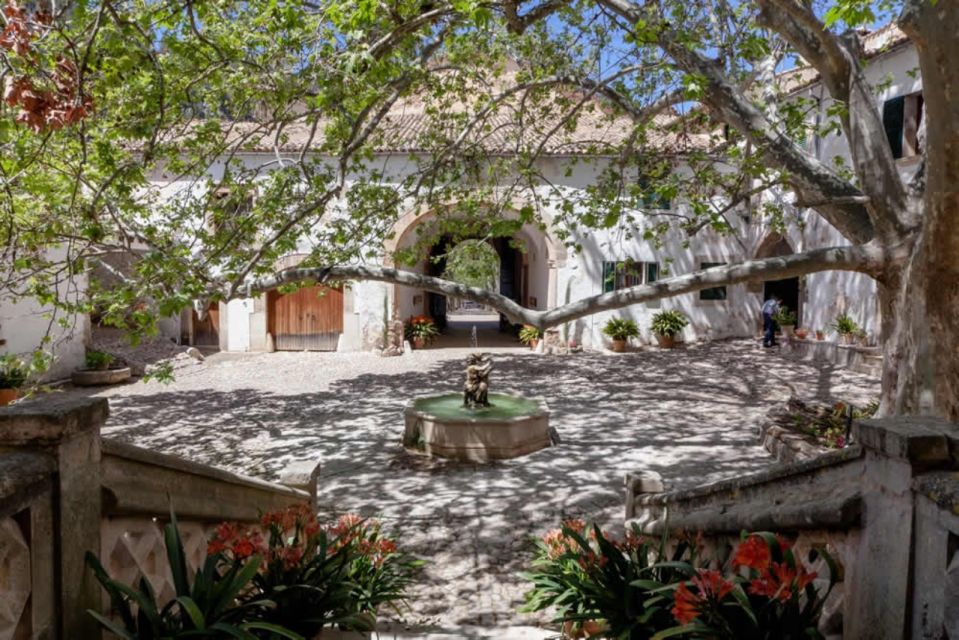
The experience is listed as 1 day, but that doesn’t mean it has to be a sprint. In fact, garden estates like this feel better when you let them breathe.
A smart pacing approach:
- Give the gardens enough time to enjoy the walk and the key water/flower moments.
- Then switch gears for the house, where you’ll likely want to linger at the details.
The reason is simple: rushing compresses two different kinds of pleasure into one anxious loop. Gardens want steady steps and pauses. House interiors want looking, stepping back, and looking again.
Also watch the cutoff. Last entrance is 60 minutes before closure. If you want a calm visit, aim to be well inside the property before you start thinking about time. Build in a buffer so you’re not doing a fast walk at the end.
Price and value: $11 for a UNESCO-area estate with two strong attractions
At about $11 per person, the entrance ticket can feel like good value—especially because you’re paying for two distinct experiences: a major garden walk and access to the historic house. You’re not just buying “a few nice photos.” You’re buying a whole estate experience in one ticket.
The value gets better if you’re the kind of person who likes seeing how different eras overlap. Alfabia leans hard into that. The house isn’t presented as one clean storyline; it’s presented as layered. If that’s your kind of history, you’ll feel like you got your money’s worth.
Now the balanced caution: if you’re visiting when blooms are limited, you might feel the gardens offer less color than you expected. And if you’re looking for a perfectly coherent exhibit style, some design choices may feel less organized to you. That doesn’t mean it’s bad—just that it’s not aiming to be every visitor’s exact preference.
Best fit: who will love Alfabia most
You’ll likely enjoy Alfabia if:
- You like gardens as a guided experience, with paths and sightlines that lead you somewhere
- You enjoy architecture and decoration enough to notice shifts in style
- You want a slower stop that feels authentic rather than rushed through like a checklist
It can be a great half-day or full-day detour from the Sóller area, but it’s also ideal if you’re already in the Tramuntana mindset and want something grounded in place—mountains outside, shade and water inside, then centuries of building evolution overhead.
A quick reality check before you book
I think Alfabia is worth booking, with one condition: you pick a timing window that fits your expectations. If you’re going during a season with fewer flowers, go anyway, but shift your focus from “max bloom” to “design, shade, fountains, and structure.” If you expect a unified theme with one style throughout, you might find the house’s many era influences a little disorienting.
If you’re the flexible type—happy to wander, notice details, and enjoy a mix—this ticket is an easy yes.
FAQ
How long is the Alfabia experience?
The ticket is valid for 1 day, and you can choose a starting time based on availability.
What does the entrance ticket include?
It includes the entrance fees.
Is the ticket valid for only one day?
Yes. The ticket is listed as valid for 1 day.
What time is the last entrance?
The last entrance is 60 minutes before closure.
Do I need to wear an identification bracelet?
Yes. You’ll be asked to wear an identification bracelet during the visit.
How can I reach Alfabia by public transport from Palma?
You can take Palma bus Line 211. Departure times are shown here: https://www.tib.org/es/web/ctm/autobus/linia/211.
Can I get there using the Sóller Train?
Yes. You can use the Sóller Train. Departure times are listed here: http://trendesoller.com/horarios.
Are there different starting times to choose from?
You can check availability to see starting times, since the ticket is valid for 1 day.
Is free cancellation available?
Yes. Cancel up to 24 hours in advance for a full refund.
Is there a reserve-now, pay-later option?
Yes. You can reserve now & pay later, meaning you can book and pay nothing today.