REVIEW · MALLORCA
Rock climbing on Mallorca
Book on Viator →Operated by Adventurers Mallorca · Bookable on Viator
Mallorca is built for climbing above the water. I like that this session keeps things small (max 8 people) and you get a proper, hands-on safety induction plus coaching for all levels. The one drawback to plan around is simple: you’ll need good physical shape, and you should skip it if you have vertigo.
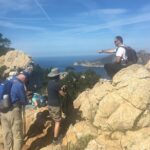
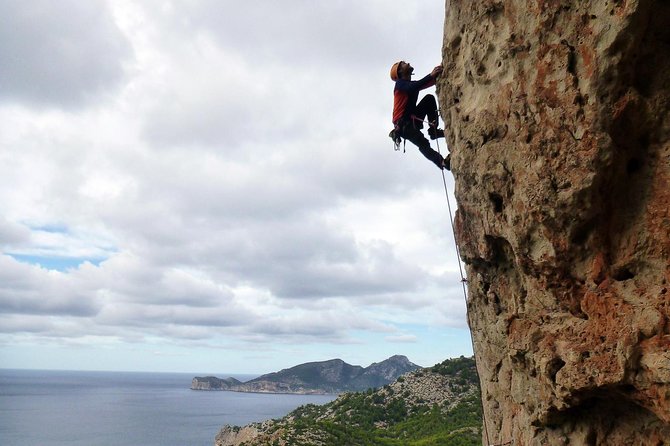
My favorite part is how the instruction matches the real rock. You’re taught to use natural hand and foot placements in the cliff, then climb above the ocean and out toward the Mallorcan countryside instead of only practicing on a gym wall. If you’re hoping for a long, laid-back sightseeing day, this is more focused training time than a wandering tour.
In This Review
- Key things I’d actually watch for
- Why Mallorca’s sea-cliff crags are such a smart choice
- Getting there from Valldemossa: simple meeting, focused time
- What the all-level training looks like in real life
- The climbs: equipped routes plus natural rock challenges
- Gear, guides, and the confidence factor (Miguel gets named a lot)
- Who should book this (and who should reconsider)
- Price and value: what you’re paying for (and what you’re not)
- Weather and route planning: why your day depends on conditions
- Where this fits in your Mallorca trip
- Should you book rock climbing on Mallorca?
- FAQ
- Is transport included in rock climbing on Mallorca?
- What’s included in the price?
- How many people are in the group?
- Do I need climbing experience?
- Who shouldn’t participate?
- What happens if weather is bad?
Key things I’d actually watch for
- Max 8 climbers means more attention and fewer waiting turns
- Licensed guides + all climbing gear included removes a lot of hassle
- Full safety induction and training is built into your session, not tacked on
- Routes for novice to advanced so you won’t feel stuck in the shallow end
- Natural rock holds make it feel authentic, not like a fake wall
- Guide Miguel gets praised for teaching and confidence in the group
Why Mallorca’s sea-cliff crags are such a smart choice
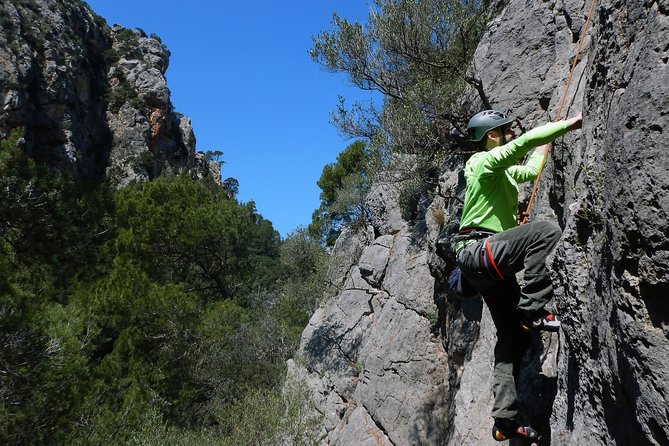
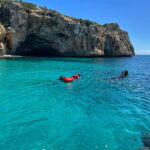
Mallorca is one of those rare places where outdoor climbing feels both cinematic and practical. You get real coastal rock formations, and the climbs happen in a wild setting where the wall is the wall—natural rock, natural friction, natural decisions about where your hands and feet go.
What I like about this style of climbing is that it forces good basics. Instead of only chasing difficulty, you learn to read the rock: where you can trust a handhold, how to stand on smaller features, and how to keep your body steady. Even if you’re brand new, the goal is progress you can feel quickly.
And the payoff is not just the summit-like moment. Climbing with the ocean nearby changes the whole vibe. You’re not just thinking about moves—you’re aware of the exposure, the air, and that moment when the route turns from training into real climbing.
You can also read our reviews of more tours and experiences in Mallorca.
Getting there from Valldemossa: simple meeting, focused time
This experience meets at Pl. de l’Església, 2, 07190 Valldemossa, Illes Balears, Spain, and it ends right back at the same place. The tour is listed as near public transportation, which matters if you don’t want to stress about parking or coordinating a ride.
The session is about 4 hours, so you should think of it as a compact climbing program. You’re not signing up for a half-day of wandering. You’re signing up for instruction, safety, and time on equipped routes—so you’ll want to arrive ready to move.
One practical note: transport, food, and drinks aren’t included. Build your day around that. If you’re coming from Palma or another resort area, plan your travel so you’re not rushing. Bring water and a small snack if it helps you keep energy up before your climb.
What the all-level training looks like in real life
The experience is designed for beginners through advanced climbers, and that’s not just marketing language. A small group (no more than 8) makes it easier for the guides to adjust coaching on the fly—more basics for newcomers, more technique feedback for people who already know the basics.
The big thing here is the full safety induction and training. You’re not thrown into climbing first and taught later. The emphasis is on understanding safety steps, how to handle the gear, and how to climb in a way that protects you as you gain confidence.
If you’ve never climbed outdoors, the induction is often what makes or breaks the day. Indoor climbing can make you feel like the wall always forgives you. Outdoors is different. Weather, texture, and the way natural holds work can change how a route feels. A proper safety briefing helps you set expectations early, so the day stays fun instead of scary.
If you already climb, the training still matters. Even experienced climbers benefit from reminders on movement efficiency and safe decision-making, especially on coastal rock where you may feel more exposure. You’ll get coaching that keeps you improving while staying safe.
The climbs: equipped routes plus natural rock challenges
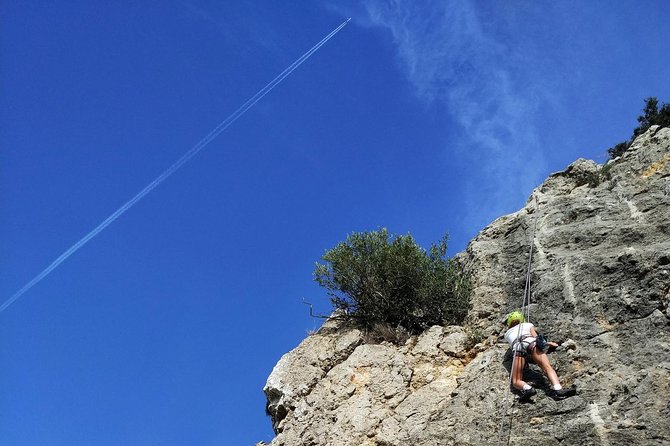
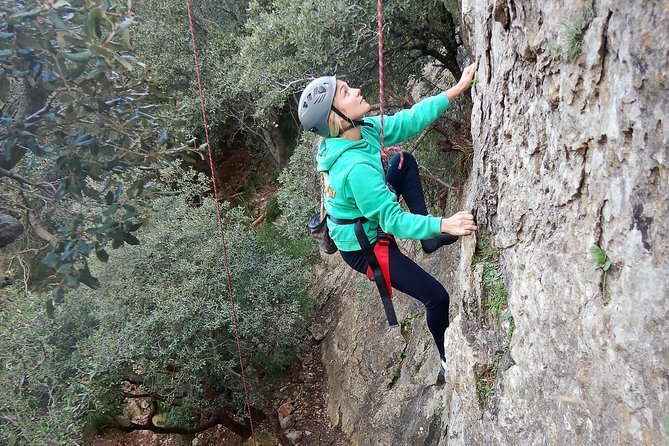
The activity takes you to a natural climbing space with equipped climbing routes. That means there are established routes you can access safely, with the kind of setup climbers expect outdoors. You’re not inventing your way up a cliff face.
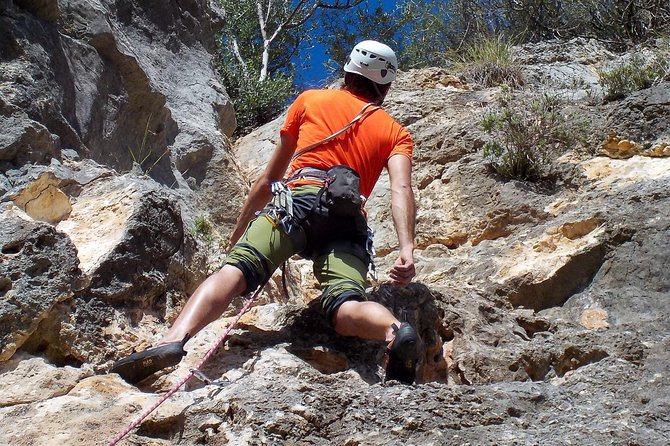
What makes this experience feel authentic is that the rock offers natural hand and foot placements. You’ll be using real features rather than relying on only artificial holds. That’s a huge difference from many first-timer experiences that feel like a one-size-fits-all introduction.
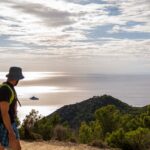
Also, the scenery is part of the climbing. You’ll be climbing above the ocean and into views that stretch across the Mallorcan countryside. Even if you’re focused on the next move, you’ll still feel the environment around you. That’s often what turns a training session into a memory.
One more detail that’s worth your attention: this isn’t described as a route-hunting expedition. It’s a “go climb” day, with guided instruction and routes picked for learning and ability. That makes it a good choice if you want competence, not complicated planning.
Gear, guides, and the confidence factor (Miguel gets named a lot)
All necessary equipment is provided, and guides are licensed. The value here is real: you don’t have to figure out what to rent, what to buy, and what you forgot until you’re already at the crag.
The guide coaching also comes up strongly in the feedback. In the reviews, Miguel is praised for being experienced and professional, for answering questions, and for making people feel safe while learning. One write-up highlights that he took them to the perfect spot and kept them learning the whole time, not just hanging off a rope and hoping it works out.
Another review specifically calls out family comfort—good with kids and instructors who help you feel confident. Even if your group isn’t traveling with kids, that kind of confidence-building approach is a good sign that the coaching style is supportive and clear.
And there’s an extra useful angle: a review includes the climb context at s’Estret. That suggests the guide and operator are comfortable with specific local climbing areas, not just generic instruction. For you, that means better match-making between your ability and a route that helps you learn quickly.


Who should book this (and who should reconsider)
This is built for all abilities, so if you’re curious and you want a safe way to start, it’s a strong option. The key requirement is good physical shape. Outdoors climbing uses core strength, grip endurance, and balance—so you’ll have a better time if you can handle that effort.
The other requirement is clear: don’t book if you suffer from vertigo. Outdoor exposure can trigger vertigo faster than an indoor gym does. If you’re even unsure, consider discussing it with the operator before you commit, since the activity depends on you feeling comfortable enough to climb safely.
This also fits well for people who want a guided day with structure. You’ll get training and coaching, not just gear handed to you. If your goal is to learn how to move on real rock and feel safer doing it, this format makes sense.
Families can be a good fit too, based on the feedback about how instructors support kids. Just remember the data doesn’t mention minimum ages, so you’ll want to check if the operator sets any rules for younger climbers.
Price and value: what you’re paying for (and what you’re not)
The price is listed as $92.61 per person, and it’s commonly booked about 22 days in advance. On its face, that’s a reasonable outdoor adventure price for Mallorca—but the real value is what’s included.
You get:
- all necessary equipment
- licensed guides
- VAT and insurance
Those inclusions matter because outdoor climbing can get expensive fast if you need gear rental and last-minute extras. Here, the base price covers the key components that make the experience possible.
What’s not included:
- transport
- food and drinks
So you’ll want to budget a bit beyond the ticket, especially if you’re coming by public transit and need something to eat beforehand. But if you already have food and a way to get there, the ticket price feels fair given the safety instruction and guide attention.
Small-group time also affects value. With no more than 8 people, the day is less likely to feel like a “watch everyone else” situation. You should expect more direct coaching and quicker feedback, which is exactly what makes you better by the end of the session.
Weather and route planning: why your day depends on conditions
Outdoor climbing depends on conditions, and this experience requires good weather. If the activity is canceled due to poor weather, you’ll be offered a different date or a full refund.
This matters for you because coastal cliffs can be influenced by wind and other changes you can feel immediately. A good operator doesn’t force unsafe conditions, and you’re protected with a weather-based policy.
It’s also a reminder to keep some flexibility in your schedule. If you’re in Mallorca for a very tight itinerary where you can’t shift anything, this is still doable, but you should plan extra carefully around your booking date.
Where this fits in your Mallorca trip
Mallorca can be a mix of beach time, hikes, and exploring towns like Valldemossa. This climbing session slots in well as the active centerpiece. After a day like this, you’ll likely appreciate slower walking and a long meal—because your forearms and core will remind you what you did.
If you’re staying near Valldemossa, you’ll find the location works nicely. If you’re staying elsewhere, think of it as a dedicated half-day outing rather than something you tack onto the end of a busy schedule.
Also, because it’s near public transportation, it’s easier to build around than some climbing activities that require private transfer.
Should you book rock climbing on Mallorca?
If you want real outdoor climbing with gear provided, licensed guides, and training that helps you feel safe, I’d say yes. The small group size (max 8) and the emphasis on safety induction are exactly what you want, especially if you’re new to climbing outside a gym.
Book it if:
- you have good physical fitness
- you want beginner-to-advanced coaching
- you like the idea of climbing on equipped routes in a natural coastal setting
- you want instruction from a guide praised for answering questions and building confidence (Miguel is named)
Skip or reconsider if:
- you have vertigo
- you’re looking for a long, scenic day with minimal physical effort
- you can’t handle outdoor weather changes (since the activity needs good conditions)
FAQ
Is transport included in rock climbing on Mallorca?
No. Transport is not included. You’ll meet at Pl. de l’Església, 2, 07190 Valldemossa, and the activity ends back at the same meeting point.
What’s included in the price?
The price includes all necessary equipment, licensed guides, VAT, and insurances. Food and drinks are not included.
How many people are in the group?
This activity has a maximum of 8 travelers, so you should get more direct attention from the guides.
Do I need climbing experience?
No. It’s suitable for all abilities, from novice to advanced, with a safety induction and training during the session.
Who shouldn’t participate?
The activity requires good physical shape and you shouldn’t participate if you suffer from vertigo.
What happens if weather is bad?
The experience requires good weather. If it’s canceled due to poor weather, you’ll be offered a different date or a full refund.