REVIEW · MALLORCA
Mallorca: Discovering 5 Charming Villages of Mallorca
Book on GetYourGuide →Operated by Driveando · Bookable on GetYourGuide
Windmills and villages, all in one afternoon. This south-central Mallorca drive turns local culture into a road-trip with a real guide who knows the stories, and it pairs that with three tastings of typical Mallorcan products along the way. The main catch: you’ll want your own car (or the tour’s pickup option), and the day isn’t ideal if you have mobility limits or you’re traveling with young kids.
I also like the practical setup: if you self-drive, you get portable communication gear so you don’t lose the group or miss the next stop. You’ll end up at Cura Monastery to wrap up, and the tour includes entrance handling, plus a skip-the-line entrance route.
One more thing to plan for: this is a “walk a bit, stand a bit” style day, so comfortable shoes matter, and hot weather can make the breaks feel very welcome (one guide-led day hit around 35°C).
In This Review
- Key things to know before you go
- Why Mallorca’s interior feels different than the coast
- How the 5-hour route works (self-drive or hotel pickup)
- The drive itself: 60 km of interior Mallorca, not a long haul
- Algaida: your first taste of the island’s village rhythm
- Pina: legends and local flavor in the same stop
- Lloret: how the guide makes history feel practical
- Montuïri: where gastronomy becomes the thread
- Randa and the Cura Monastery finish: the payoff stop
- Food tastings: what you get and why it’s good value
- Price and logistics: is $88 really fair?
- Who should book this Mallorca village drive?
- Should you book this Mallorca tour?
- FAQ
- How long is the Mallorca villages tour?
- What does the tour cost?
- How many villages are visited?
- Do you include food?
- Do I need my own car?
- Where is the meeting point for the self-drive option?
- What languages is the guide available in?
- Is the tour suitable for people with limited mobility or young children?
Key things to know before you go
- Self-drive friendly: you’ll use portable communication equipment, so your car stays in sync with the guide.
- Built-in food time: three tastings are part of the route, not an afterthought.
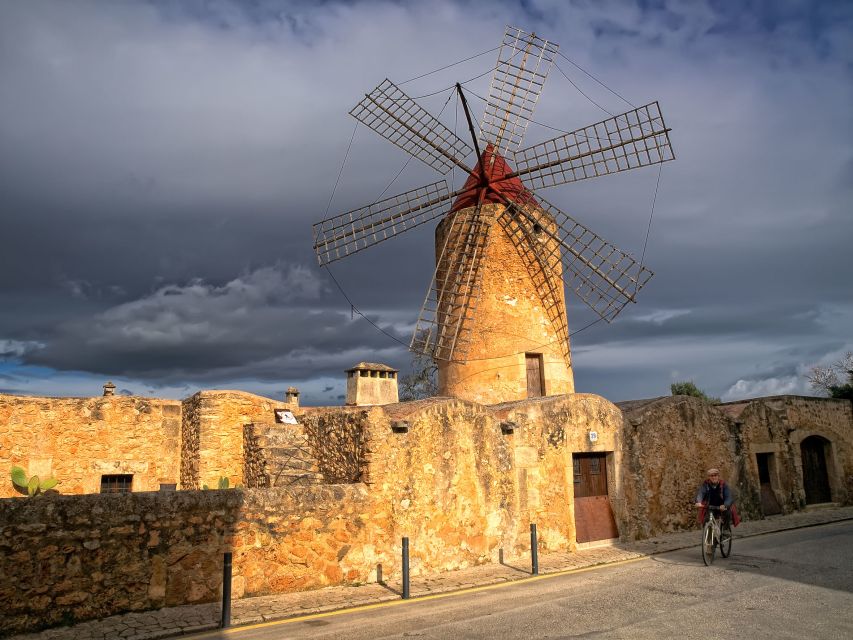
- Windmills and legends on the move: the guide ties interior sights to history and local folklore as you drive.
- Five villages in 5 hours: you get variety, but each stop is time-boxed.
- Guide language skill matters: Birgitta/Birgit is highlighted for fluent German and English, switching as needed.
- Cura Monastery finish: entry fees are included, and you use a separate entrance to save time.
Why Mallorca’s interior feels different than the coast
Mallorca has a very strong “beach first” reputation, but the interior tells a different story—slower, older, and shaped by farmland. This tour leans into that side of the island. You’re not just looking at villages from the bus window. You’re driving a central-southern circuit and stopping often enough that the day feels like a guided conversation, not a checklist.
What makes it work is the mix of stops and senses. The route is designed around moments where you can see what the guide is talking about (like windmills and village layout), then taste what people actually eat, and even notice small details through smell and sound. That “five senses” approach is a big reason people rate the experience so highly.
The other big win is the guide quality. Multiple recent experiences point to Birgitta/Birgit as a standout: fluent in German and English and animated about how life and traditions connect to what you see outside the car.
You can also read our reviews of more tours and experiences in Mallorca.

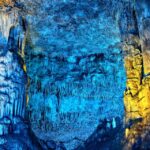
How the 5-hour route works (self-drive or hotel pickup)
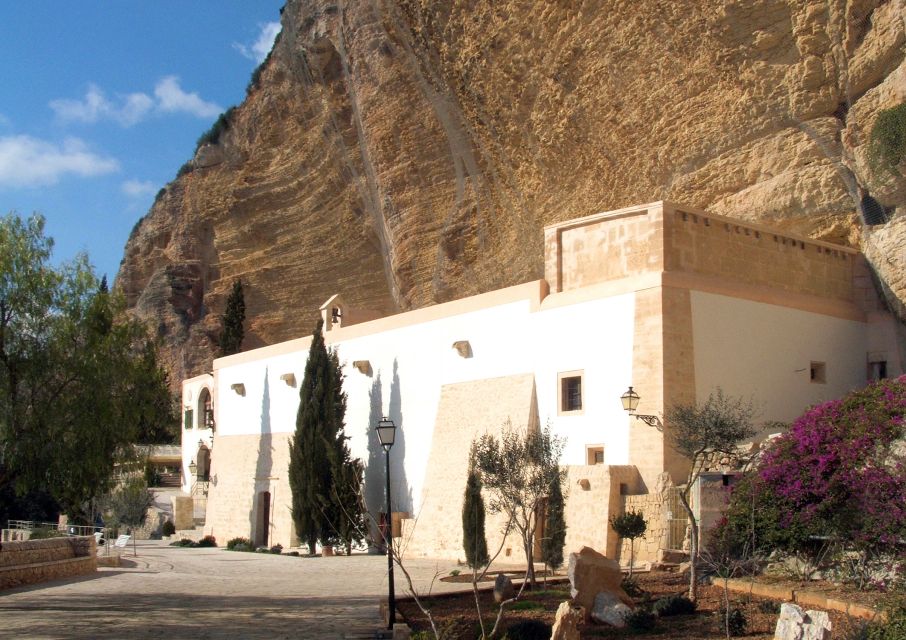
This is a 5-hour tour that covers about 60 km through the island’s interior. You’ll visit five stops: Algaida, Pina, Lloret, Montuïri, and then Randa with Cura Monastery.
You have two practical ways to do it:
1) Self-drive option: you bring your own car or a rental car. The tour starts at the Petrol Station Repsol Son Oms, near Palma airport. You also get portable communication equipment. The goal is simple: keep everyone on the same timing and route details even though each car is driving.
2) VIP/pickup option: if you don’t have a car, hotel pickup and drop-off are available for customers in the south of the island. Pickup typically starts around 30 minutes before tour time. This is convenient if driving interior roads isn’t your idea of a relaxing day.
Either way, the flow stays the same: short drive segments, guided stops, and tastings. It’s also a “skip the line” style day with a separate entrance, which matters most at the monastery end when you want less waiting and more time to see what you came for.
Practical note: if you’re self-driving, your biggest challenge is not the driving—it’s paying attention. The communication gear helps, but you still want to be ready to follow directions immediately.
The drive itself: 60 km of interior Mallorca, not a long haul
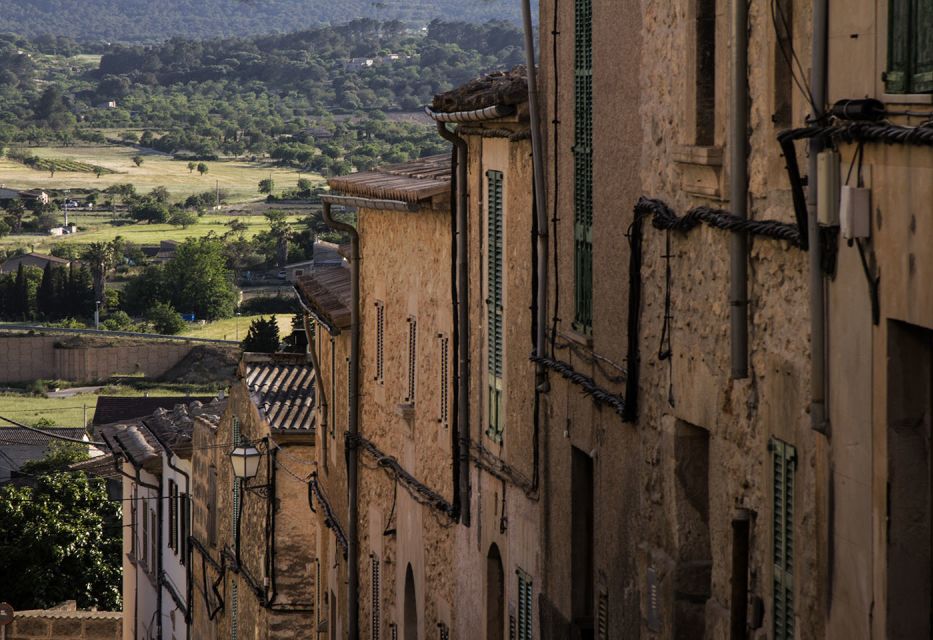
One thing I’d set expectations on: this isn’t an all-day countryside marathon. You cover enough ground to see multiple villages, but the pacing is structured around learning and tastings.
That pacing is good for most people. It keeps the day lively, and it reduces the “we’re stuck on the road for hours” feeling. The trade-off is each village isn’t a half-day visit. So if you’re the type who wants to wander for hours without guidance, you may feel a bit time-pressured.
The driving style is also part of the deal. You’re not driving blind. The guide turns the route into a story: how windmills shaped the island’s working life, why they still show up in the scenery, and how village history ties into local food culture.
Algaida: your first taste of the island’s village rhythm
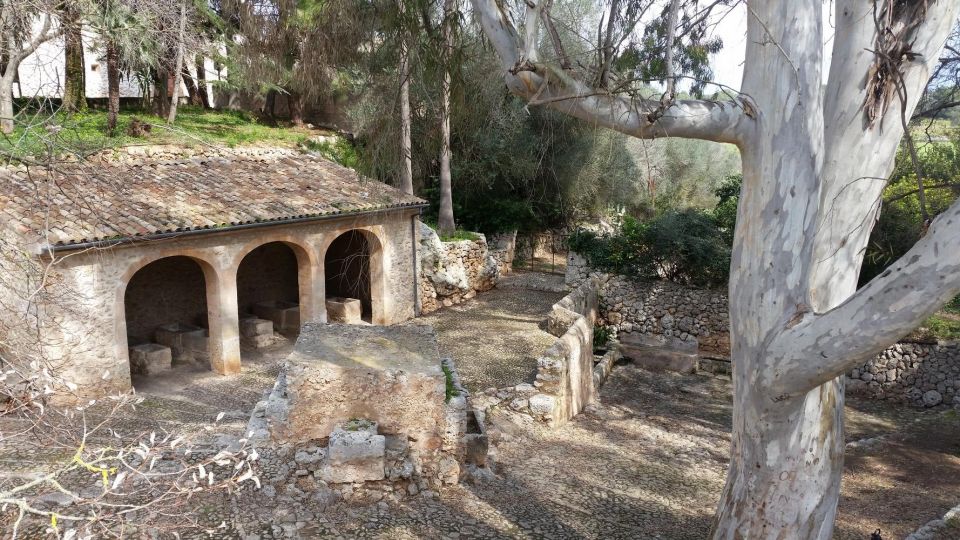
Algaida is the start of the interior loop, and it sets the tone. This first stop is where the guide usually establishes the “how to read Mallorca” lens—what you should notice in the village layout and why those details matter.
Expect a guided moment that’s more than photo time. The point is to learn how local history shows up in everyday life: stone, street patterns, the pace of village life, and connections to farming traditions that still influence what ends up on the table.
What to watch for: ask questions about the windmill stories early. If you’re curious about how rural Mallorca worked before modern times, this is where the guide’s explanation often clicks into place.
Possible drawback: since it’s the first stop, you may feel a little “settling in” energy. If you’re prone to jet-lag mornings or hate getting organized, show up ready so you can get into the rhythm fast.
Pina: legends and local flavor in the same stop
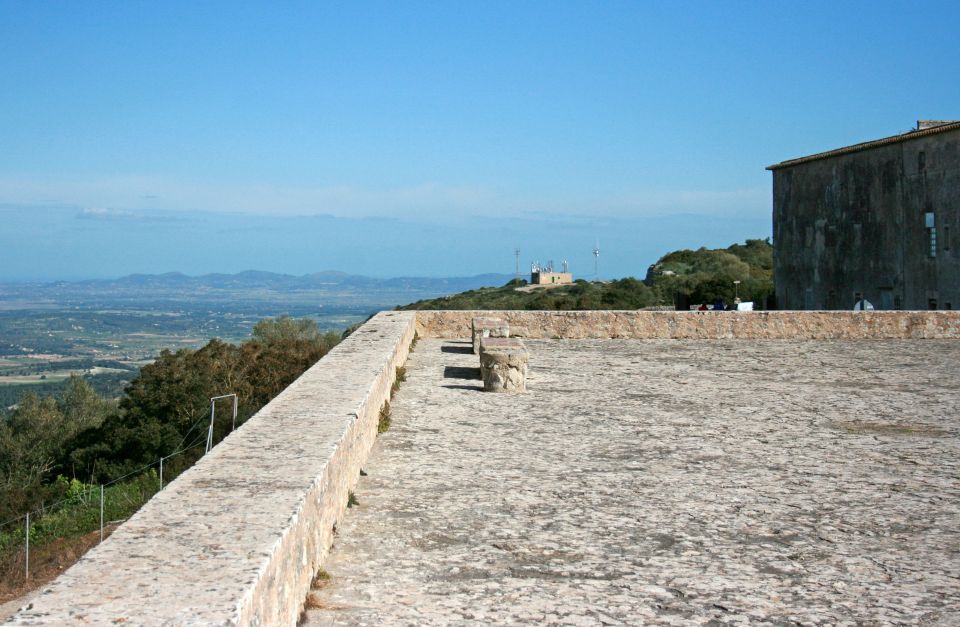
Pina is one of the villages that makes this tour feel like more than a scenic drive. The inland setting helps, but the guide’s storytelling makes the stop memorable.
Here, you’re meant to connect the myth and legend angle with real culture. The tour framework is designed so you’re learning as you move—why certain traditions exist, and how the island’s working history helped shape what people value today.
And then you shift gears into food. This tour includes three tastings overall, and the early ones tend to help you understand the rest of the day. Instead of waiting until the end to taste anything, you get the flavor thread right away.
What to watch for: pace yourself during tastings. You’ll still be driving and stopping multiple times, and the day works best if you don’t feel overly full right after the first samples.


Lloret: how the guide makes history feel practical
Lloret is where the “history plus legend” part starts feeling grounded. Instead of treating the past like a museum topic, the guide uses what you see around you to explain why certain things became important in Mallorca.
This is also where a strong language guide really matters. One of the best-rated aspects of this experience is how guides like Birgitta/Birgit can switch between German and English without losing clarity. That’s useful if your group includes people who prefer different languages or if you want details explained in the way that fits you best.
A small but meaningful tip: bring your questions. This tour’s value isn’t just the places—it’s the ability to ask about them as you’re standing in the village. If you ask one or two thoughtful questions, you’ll likely feel like the time in Lloret pays off.
Possible drawback: the more you like independent wandering, the more you’ll notice that guided stops are structured. Lloret’s visit is guided and time-boxed, so you won’t have hours to drift.
Montuïri: where gastronomy becomes the thread
By the time you reach Montuïri, the tour’s pattern is clear. You’re seeing how rural life shaped local food traditions, and you’re tasting along the way so the “culture” doesn’t stay abstract.
Montuïri works well for this kind of explanation because it’s part of that interior spine of Mallorca—close enough to feel connected to the earlier villages, but distinct enough that you still feel like you’re progressing.
This is also a good moment to slow down a little. If you’re the kind of traveler who wants one stop to really “stick,” Montuïri is often a solid choice because the day’s story tends to click from that point on. You can feel the guide moving from general context to specific cultural meaning.
What to watch for: since there are tastings and walking involved, hydration matters. Mineral water is included, but in warm conditions you’ll still want to use it regularly rather than saving it for the very end.
Randa and the Cura Monastery finish: the payoff stop
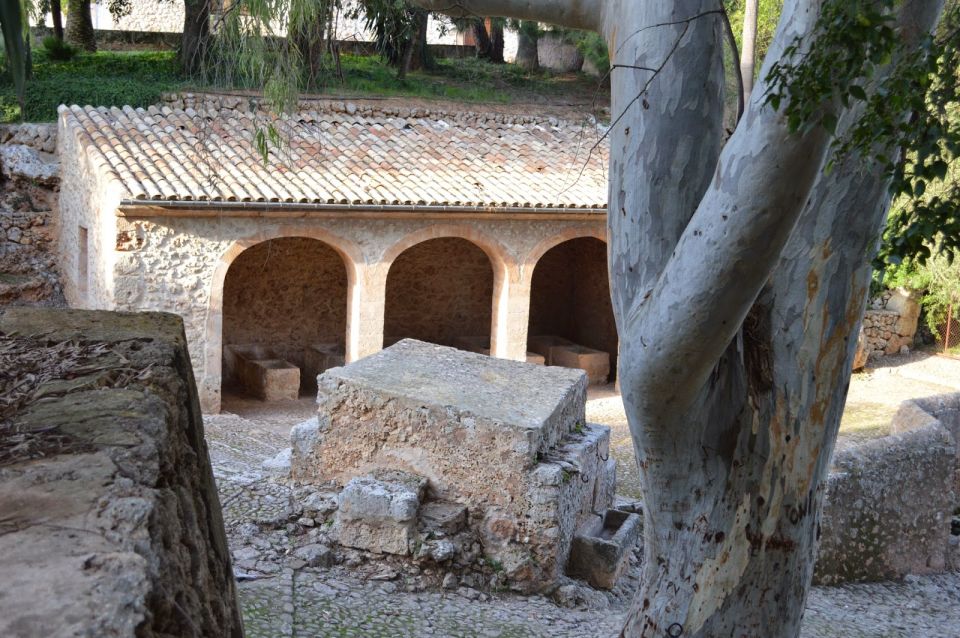
The day’s final section is Randa and then Cura Monastery, and it’s a strong place to end. This is where entrance fees are included and you use a separate entrance to reduce waiting.
Monastery sites can go one of two ways on tours: either you rush through the key points, or you get a little too much lecture time. Here, the tour is built to finish the story you started earlier—rural life, religious presence in village culture, and how history still shapes what you’re looking at today.
What I like about this ending: you end with a clear “destination.” After multiple village stops, Cura Monastery gives you a final visual and historical anchor.
Possible drawback: if you struggle with walking or standing, this final stop can be the toughest moment. The tour isn’t recommended for limited mobility, so if that’s a concern, you’ll want to consider a different format.
Food tastings: what you get and why it’s good value
The tour includes three tastings of typical Mallorcan products. That’s one of the strongest value signals in the whole experience. You’re paying for food that’s guided, timed, and tied to context—so you taste, then understand.
Food on tours sometimes feels like filler. Here, tastings fit into the stop sequence, and at least in the best runs, the guide shares local specialty knowledge rather than just handing you samples. One highly rated experience specifically notes that the guide introduced two culinary specialties during the visit, which is exactly what makes tastings feel meaningful.
How to make the tastings work for you:
- Eat slowly and try to identify flavors before you move on.
- If you’re sensitive to certain foods, say something early in the day so the guide can guide you toward suitable options (the tour includes tastings, so this is worth flagging).
Price and logistics: is $88 really fair?
At $88 per person for a 5-hour guided road trip, the price makes sense when you break it down:
- A local expert guide doing the driving narration and stop management
- Three tastings
- Mineral water
- Entrance fees
- For self-drive participants: portable communication gear
You’re not just “paying for the villages.” You’re paying for the map of what to notice, the timing of stops, and the food portion that you otherwise might have to plan and coordinate yourself.
If you already have a rental car, this can feel like a bargain because the expensive part—figuring out route details and getting local context—is handled for you. If you don’t have a car, the pickup option helps, but your best value depends on whether pickup is available where you’re staying in the south.
Who should book this Mallorca village drive?
Book this if you want:
- A guided way to explore Mallorca’s interior, not just the coastline
- Food included in the structure (three tastings matters)
- Clear explanations of windmills, local legends, and how history shows up in daily life
- A guide-led day that runs about five hours
Skip it if:
- You can’t walk or stand comfortably during village and monastery stops
- You’re traveling with children under 6
- You dislike driving or get stressed by road navigation, especially if you pick the self-drive option (even with the communication gear)
It also suits couples, friends, and solo travelers who enjoy short, active stops and conversations with a guide.
Should you book this Mallorca tour?
Yes—if you’re after authentic inland Mallorca and you like the idea of learning while you taste. The biggest strength here is the combination: expert local guidance (with strong language skills highlighted by guides like Birgitta/Birgit), windmill-and-legend context, and three built-in tastings during a well-paced 5-hour route.
I’d think twice only if mobility is an issue, if you’re traveling with a small child, or if you need long free time in each village. This is a structured guided drive, and it works best when you’re comfortable with that style.
FAQ
How long is the Mallorca villages tour?
It lasts about 5 hours.
What does the tour cost?
The price is listed as $88 per person.
How many villages are visited?
You visit five stops: Algaida, Pina, Lloret, Montuïri, and then Randa with Cura Monastery.
Do you include food?
Yes. The tour includes 3 food tastings of typical Mallorcan products.
Do I need my own car?
For the self-drive option, yes. The tour requires your own car or a rental car. A pickup option exists if you don’t have a car.
Where is the meeting point for the self-drive option?
The meeting point is the Petrol Station Repsol Son Oms.
What languages is the guide available in?
The live tour guide is available in English, German, and Spanish.
Is the tour suitable for people with limited mobility or young children?
No. It’s not recommended for people with limited mobility, and it’s not suitable for children under 6 years old.