REVIEW · MALLORCA
Mallorca: Cova des Coloms Caving Trip with Hotel Transfer
Book on GetYourGuide →Operated by Experience Mallorca · Bookable on GetYourGuide
Saltwater caves in Mallorca feel like another planet. This half-day trip leads you through the Cova des Coloms sea-cave system—one of the rare places where you can swim inside the limestone world with a guide keeping things safe and straightforward.
What I like most is the mix of action and guidance: you get top safety equipment (helmet, wetsuit, water shoes) and step-by-step help so you’re not improvising in a natural maze. The other big plus is the hotel transfer option from Mallorca’s main coastal areas, which makes the whole thing feel less like a logistics puzzle and more like a day out. The main consideration is physical comfort: there’s hiking and scrambling, and the water can feel cold once you’re in.
In This Review
- Key points before you go
- Why Cova des Coloms feels different from typical caves
- Getting there: hotel transfers and the Passeig Voramar meetup
- Gear-up moment: wetsuit, helmet, water shoes, and what it means
- The coastal walk: where your pace and heat management matter
- The swim out to the cave: 300 meters and a calm-water plan
- Inside Cova des Coloms: formations, scrambling, and natural cave lakes
- Safety on limestone and in open sea: what you should expect
- When weather changes the plan: your likely backup experience
- Price and value: what $88 includes (and why that matters)
- What to pack: your short checklist for a smoother day
- Who should book this (and who should skip it)
- The bottom line: should you book this sea caving trip?
Key points before you go
- Sea swim + cave exploration: a 300-meter swim to the cave entrance, then time exploring inside
- Beginner-friendly support: no prior sea-caving experience needed, with hands-on guidance throughout
- Small group (max 10): more personal attention at the tricky bits
- Weather plan included: if swells block the sea entry, you’ll switch to alternative caves
- Limited age/fitness fit: children under 12 aren’t allowed; you’ll need a good level of mobility and comfort in water
Why Cova des Coloms feels different from typical caves
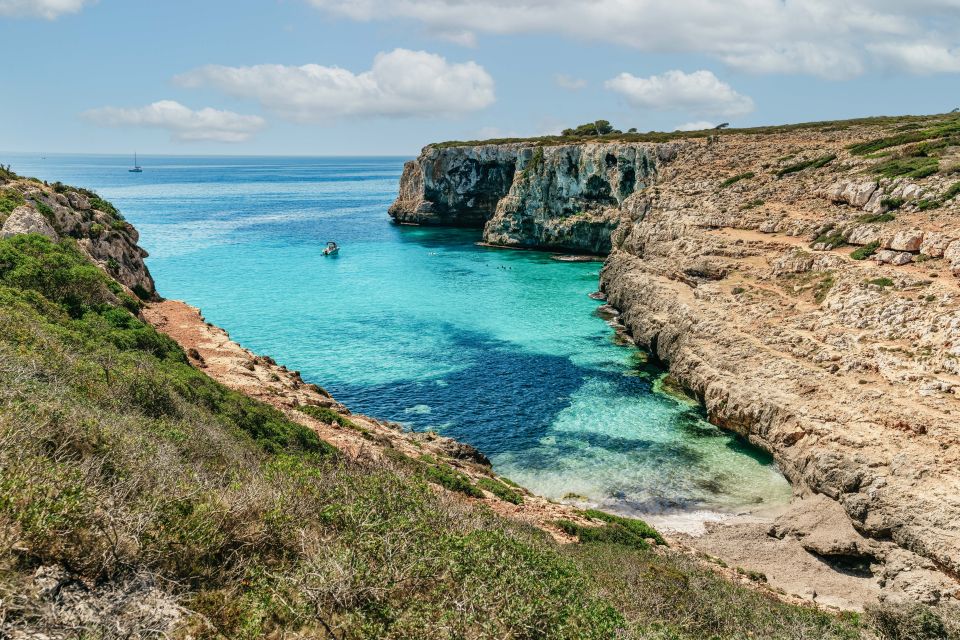
Most cave tours are about walking through dry corridors with the occasional rocky step. This one adds a sea element. You hike to the coast, gear up, then swim to the cave entrance from the water—so the experience is part adventure, part underwater geology, and part “wow, this is real” nature time.
Cova des Coloms is also famous because it’s a sea cave system where swimming is part of the show. That’s not a gimmick. It changes your viewpoint: limestone formations look different when you approach from the sea, and the natural pools inside feel like a different world compared with dry show-caves.
If you like doing something that feels hard to fake—clear water, limestone, guided climbing/scrambling—this scratches that itch.
You can also read our reviews of more tours and experiences in Mallorca

Getting there: hotel transfers and the Passeig Voramar meetup
The simplest version of this tour is the one with hotel pickup. The operator lists pickup from select hotels across Mallorca’s main coastal areas, and the tour rides by minibus directly to the starting point. If you’re staying in a private residence, you’ll get a specific meeting point instead.
If you’re meeting at the scheduled place, it’s Passeig Voramar, 94. One practical tip from the field: if you’re driving, this is a more remote coastal area with street parking, so give yourself extra time to park. Arriving 15–20 minutes early can save stress before you’re carrying gear on a walk.
Also plan to confirm your pickup choice early, because there’s an optional pickup system and a fixed meeting location if you’re not picked up.
Gear-up moment: wetsuit, helmet, water shoes, and what it means
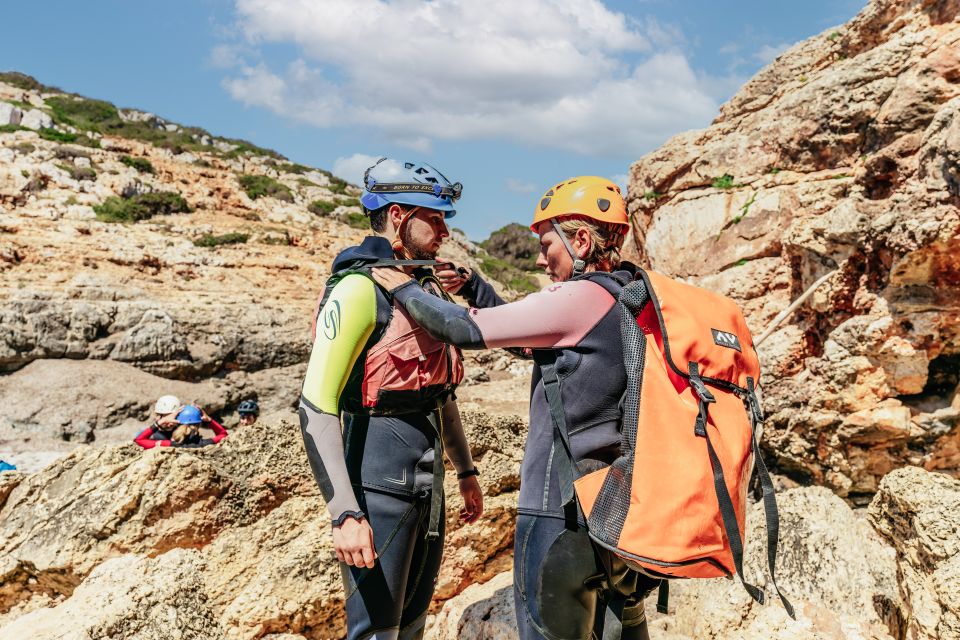
You don’t just show up in swimwear and hope for the best. You’re provided with the core sea caving equipment: light (for exploring), protective helmet, wetsuit, water shoes, and a buoyancy aid. The point isn’t just safety—it’s comfort and confidence. In rocky limestone environments, having the right footwear and staying warm makes the whole day feel easier.
Before you start, you’ll also be told what to bring and what not to bring. The tour info says:
- bring swimwear, sunscreen, comfortable/water-ready shoes
- you’ll need sports shoes for the coastal walk
- valuables aren’t allowed
- alcohol and drugs aren’t allowed
You also need to think like an outdoors person: wear practical stuff you don’t mind getting damp, and consider bringing a waterproof phone case if you want photos. People repeatedly mention getting great pictures—mostly because the caves and water are so photogenic that you’ll want proof.
Finally, there’s a note during checkout about your height, weight, and shoe size. That’s usually about fitting the right gear properly, and it’s worth taking seriously.
The coastal walk: where your pace and heat management matter
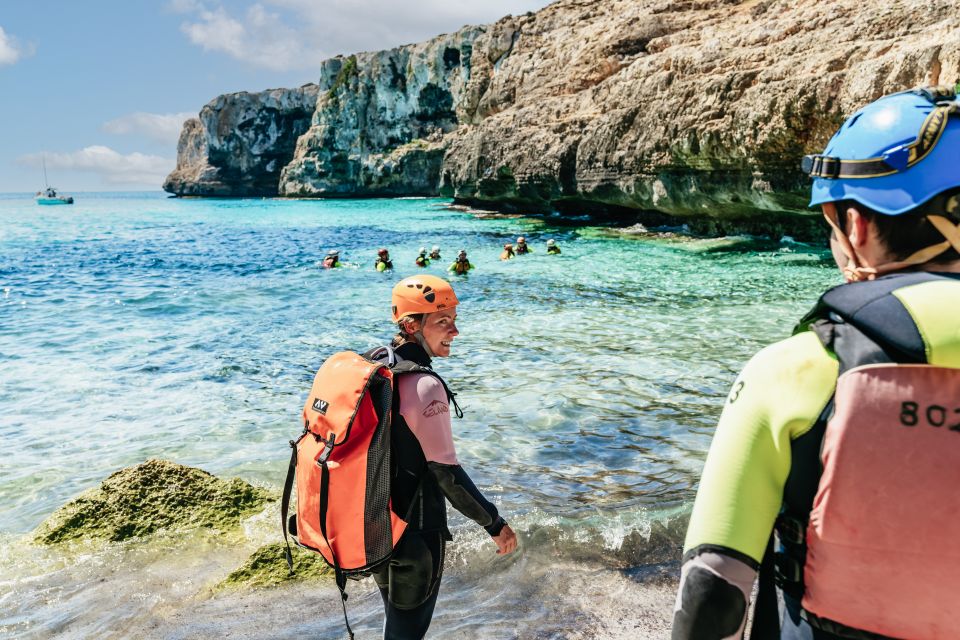
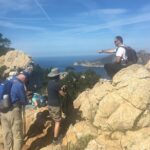
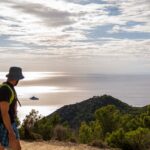
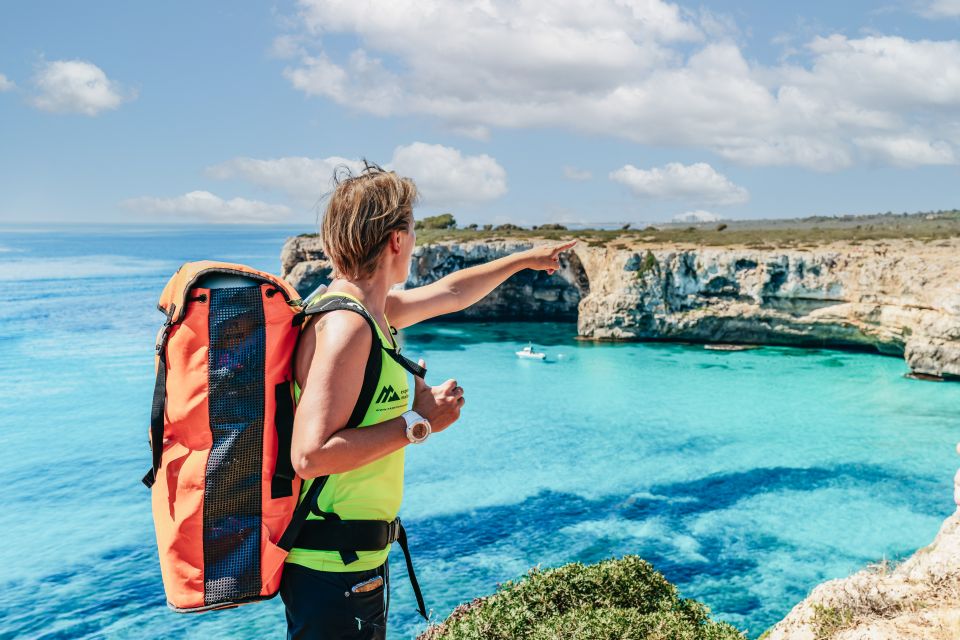
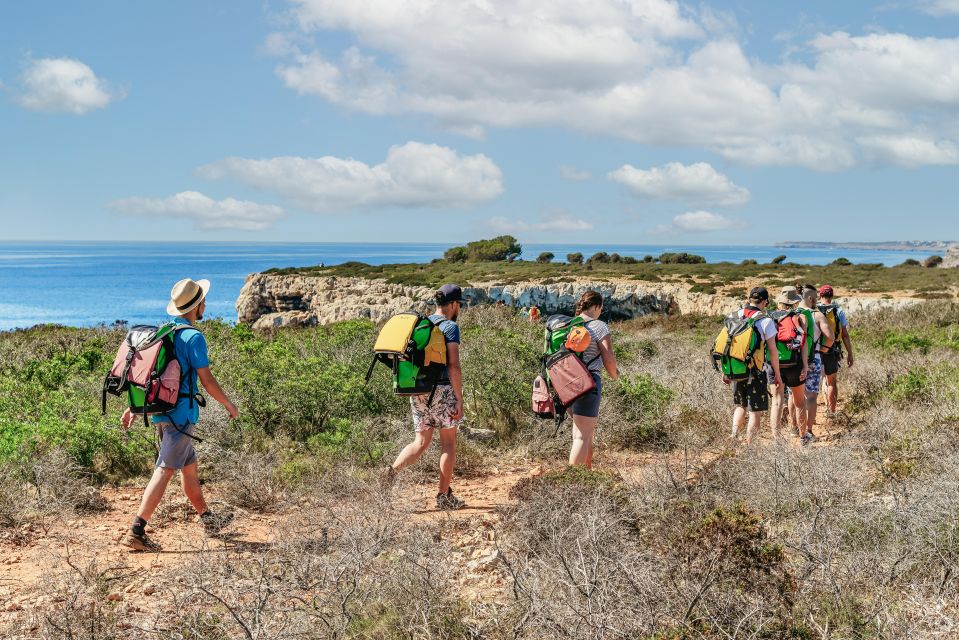
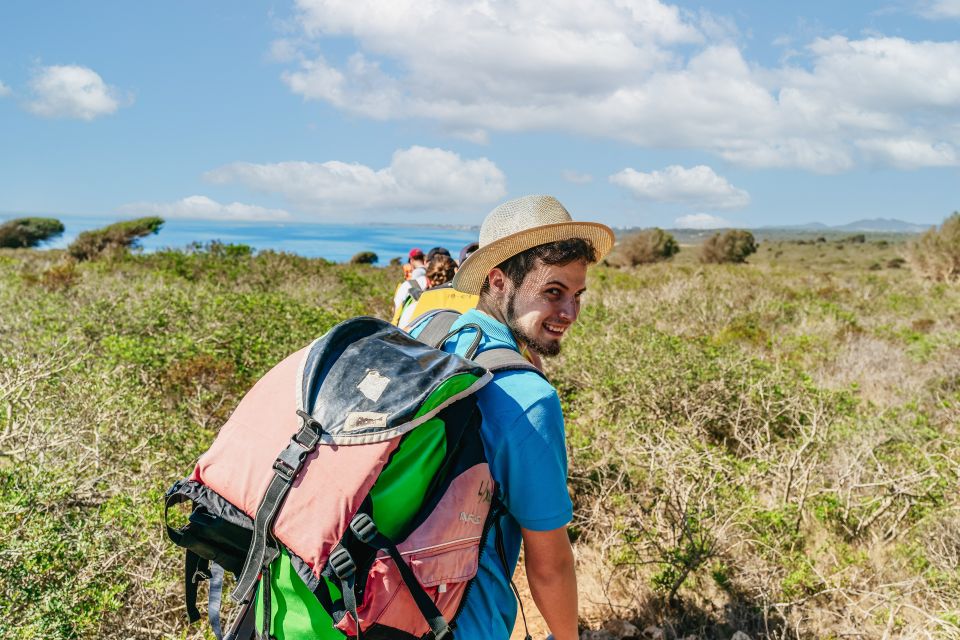
After pickup (or meeting), there’s a coastal walk before you hit the water. Expect about 40 minutes of walking to the swim area. This is not just a “stand around and get ready” segment. It’s time on uneven coastal terrain where you’ll want good grip.
Bring sports shoes that can handle saltwater and wet ground. One reason this walk matters: it sets your energy level for the swim and cave entry. If you start the day under-dressed, you’ll feel it fast. If you start too warm (no sunscreen, no water, heavy clothing), you’ll cook in the sun.
The tour info also requires each person bring:
- a minimum of 1.5 liters of water
- a snack
- any required medication
That might sound like overkill for a short half-day, but it’s the difference between finishing strong and feeling drained.
The swim out to the cave: 300 meters and a calm-water plan
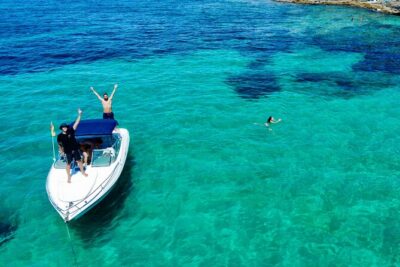
Once you’re at the coast, you’ll change into your wetsuit and get your safety setup. Then comes the swim to the caves. The distance given is about 300 meters, and you’re guided with a group-focused plan.
A key point for your comfort level: the tour is described as beginner-friendly. You don’t have to go under the water. But be aware of reality at cave entrances. Some entries may require you to get low so your body can pass through narrow sections. One booking notes getting to your nose at the entrance, guided carefully. So: it’s not scuba, but you should be prepared for brief water-contact moments beyond just floating.
The water itself can be chilly. One person describes temperatures around 17°C / under 50°F. The wetsuit helps a lot, but you’ll still feel the cold at first contact. Mentally prepare for that initial shock, then treat it as part of the adventure.





Inside Cova des Coloms: formations, scrambling, and natural cave lakes
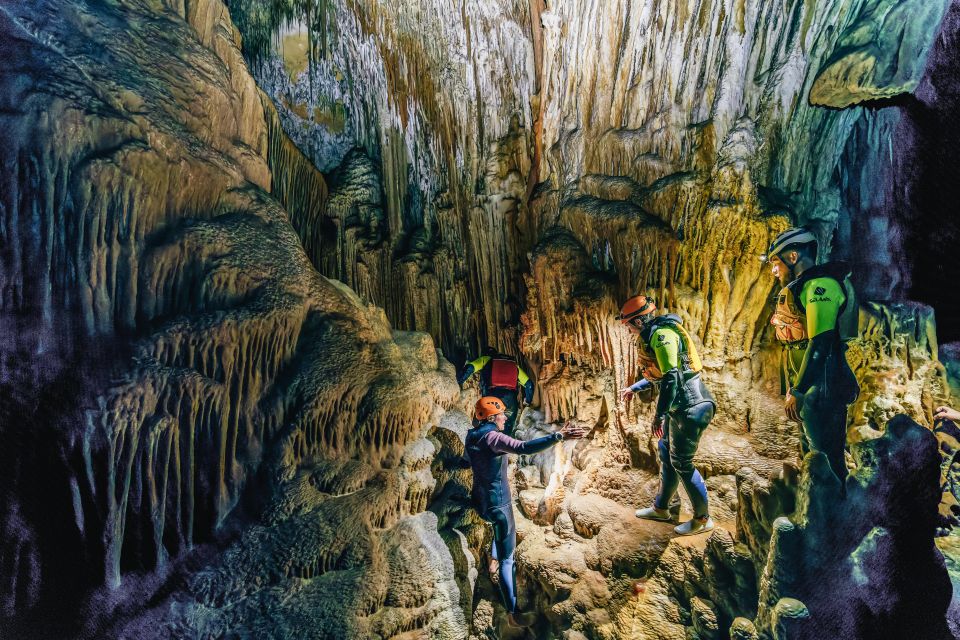
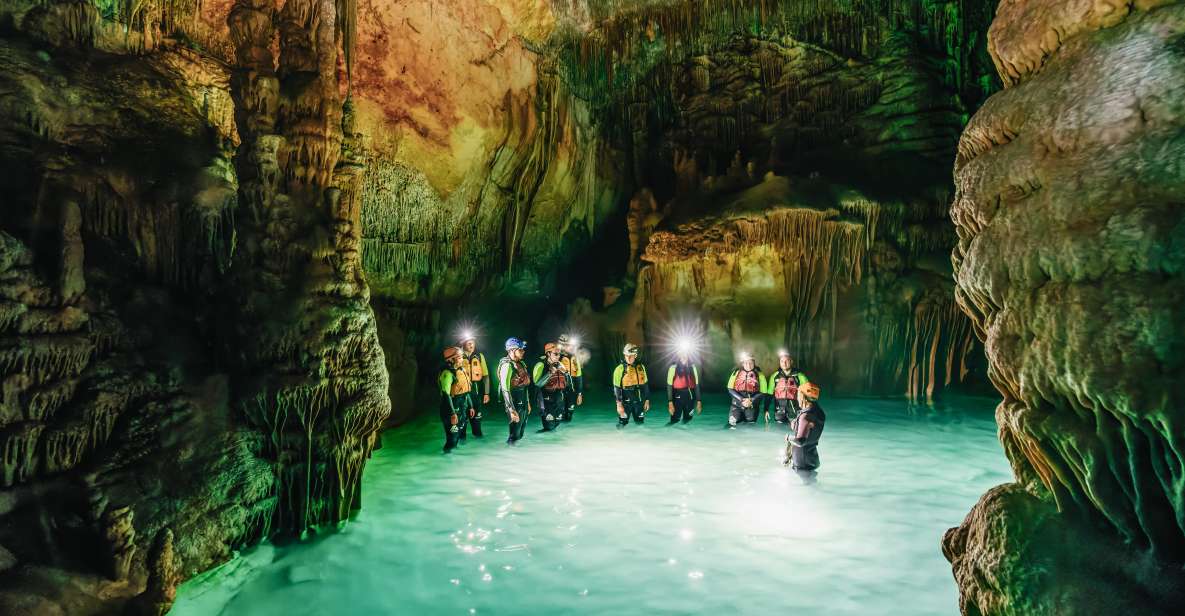
After you reach the cave entrance, the experience becomes limestone climbing and exploration. Think: guided movement through rocky areas, short swims or water-level passes where needed, and time appreciating cave geometry from up close.
What makes it memorable is that you’re not only looking at rocks from a safe distance. You move through the space. You’ll see limestone formations shaped by sea and time, and the scale feels bigger once you’re inside than it does from the shore.
The tour experience includes the chance to swim in natural pools inside the cave. That’s often the highlight moment: the idea of being in a cave with water all around you is hard to recreate elsewhere.
There’s also an optional style moment some guides add when conditions allow: cliff jumping. Several bookings describe a jump from a cliff around 4 meters, and people mention a guide’s “special” jump when it’s offered. If you want that adrenaline rush, great. If you don’t, you still can enjoy the cave swim and exploration.
Expect hands-on support from your guide when the route gets tricky. Many bookings mention safety being taken seriously at the scrambles and climb points—directions on foot placement, pacing the group, and watching everyone’s comfort level.
Safety on limestone and in open sea: what you should expect
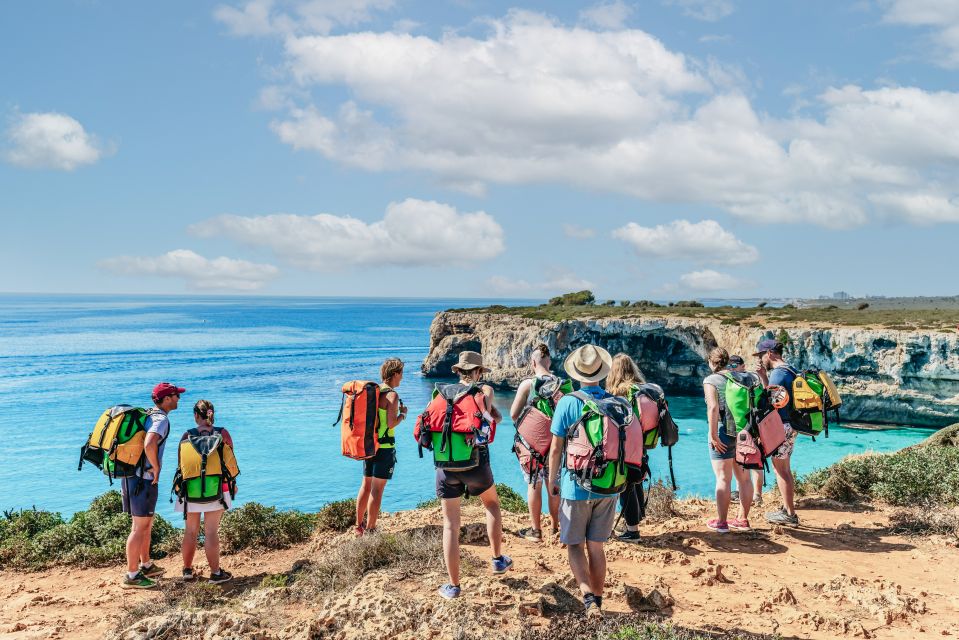
This tour is built around safety gear and trained guidance. You’ll use helmets, buoyancy aid, wetsuit, and a light. The guide’s job isn’t just fun narration—it’s controlling the route, the pacing, and where everyone is positioned when the environment gets narrow or slippery.
A recurring theme from guide notes is “safety first” while still keeping the vibe high. Guides like Patrick, Jose, Nico, Aina, Mario, Joseph, Mika, and Duke are specifically mentioned in bookings. Regardless of name, the pattern is the same: careful group management, patience at the tricky bits, and clear instruction for moving through the cave.
Also, there’s a weather reality check. The operator can modify the schedule if entering the sea poses a safety risk. In that case, you visit alternative caves that do not require entering the sea, and the plan can change without refunds. So you’re booking an adventure, not a guarantee that every sea-entry moment will happen exactly as originally shown.
When weather changes the plan: your likely backup experience
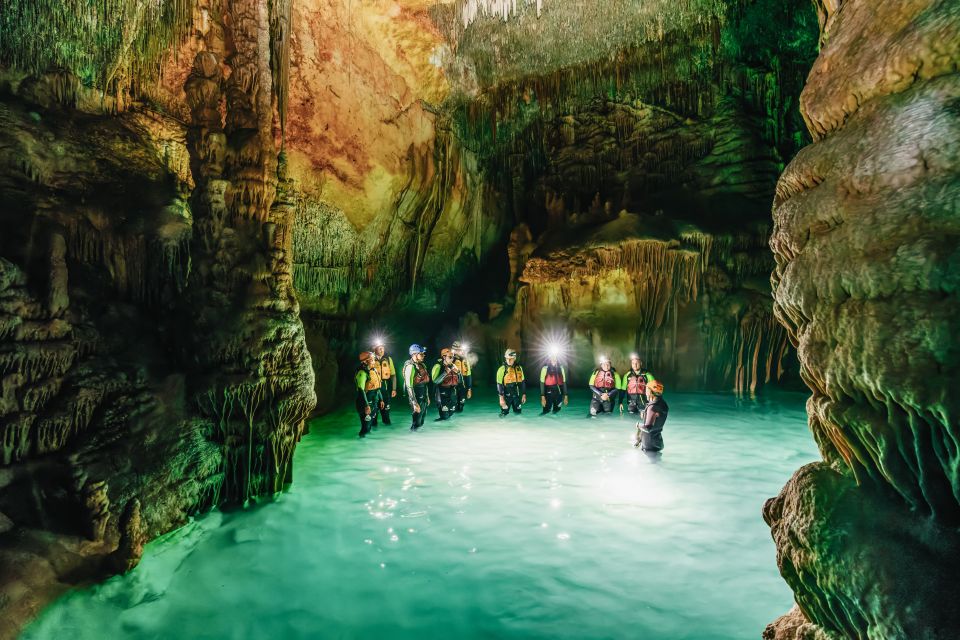
Caving by the sea means the ocean has opinions. If swells are up or winds make sea access unsafe, the tour can swap to other cave options. Several bookings highlight that guides handle this calmly and have alternatives ready.
The important part for your decision-making: even when the planned sea swim isn’t possible, you can still end up with a cave experience and swimming time—just in a different configuration based on safety.
If you’re hoping for a specific moment (like the sea entry every single time), keep in mind that conditions can change. But the upside is that the tour isn’t helpless. You’re not left standing around.
Price and value: what $88 includes (and why that matters)
At $88 per person for around 4 hours, this is one of those Mallorca activities that looks “pricey” until you tally what’s included.
You get:
- guided sea cave tour
- sea cave equipment (helmet, wetsuit, water shoes, buoyancy aid, light)
- insurance
- hotel pickup and drop-off (from select areas)
- small group size (limited to 10 participants)
You’ll pay extra elsewhere for guide time, specialized gear, and transport. Here, the cost is doing useful work for you—gear and guide, plus the logistic win of transfer options.
What’s not included:
- food and water
- walking shoes
And the tour data is clear about water and snack requirements. In other words, the $88 covers the adventure platform, not the fuel you bring for yourself.
So the value question becomes simple: if you want a guided, gear-supported sea-cave experience without renting equipment or figuring out timing, this is priced like a proper activity—not like a basic walk-and-look.
What to pack: your short checklist for a smoother day
This trip is short, active, and damp, so keep your packing practical.
Bring:
- comfortable sports shoes for the coastal walk (water-resistant)
- swimwear
- sunscreen
- at least 1.5 liters of water and a snack
- any needed medication
- a waterproof case for your phone if you want photos (helpful based on how often people mention picture moments)
Leave behind:
- valuables (not allowed)
- alcohol and drugs (not allowed)
One extra “real-world” tip from the experience notes: plan to carry some of your gear during the hike. You’ll likely keep your wetsuit/water shoes bag with you along the way, so don’t pack heavy add-ons.
Who should book this (and who should skip it)
This is best for people who:
- are comfortable hiking and moving over uneven surfaces
- like swimming and don’t mind cold water at first contact
- want a guided adventure rather than a slow sightseeing route
- enjoy small-group experiences where the guide can manage everyone closely
It’s not suitable for:
- children under 12
- people over 243 lbs (110 kg)
- people with mobility impairments
If you’re claustrophobic, keep in mind that several bookings describe the cave spaces as large inside and stress that the guide keeps things reassuring at the tricky moments. Still, the cave entry is part of the experience, and narrow cave beginnings can be intense. If you’re unsure, I’d treat this as a “talk to the guide before committing” kind of day.
The bottom line: should you book this sea caving trip?
I think you should book this tour if you want something you can’t copy elsewhere in Mallorca: a guided sea-cave experience where you swim to the entrance, explore limestone formations up close, and get help when the route turns physical.
Book it soon if you like variety. You get both walking and water time, and the small group size means you’re not just another face in a line.
Skip it if you’re looking for an easy, flat, totally dry activity. This is active caving with a sea element, and cold water + scrambling are part of the deal—though the guides make it manageable with the right gear and instruction.
If you want, tell me your travel month and how comfortable you are swimming. I can help you judge whether the sea conditions and water-cold factor are likely to feel exciting or stressful.