REVIEW · MALLORCA
Mallorca: Campanet Caves Entry Ticket
Book on GetYourGuide →Operated by COVES DE CAMPANET · Bookable on GetYourGuide
Campanet Caves feels like a secret you can actually manage. It’s a short, self-guided walk through crystal chambers at the foot of the Serra de Tramuntana—plus a clear focus on how water shaped the cave over ages.
Two things I really like: the stalactites and stalagmites you can see in a simple circuit, and the way the visit connects the caves to the wider geology of Mallorca (including notes tied to paleontology).
One possible drawback: this is not a long, story-heavy guided tour. If you’re hoping for lots of live explanations or an audio guide, you may find the experience a bit thin for the money—especially on a day when you wanted more than the cave itself.
In This Review
- Key things to know before you go
- Campanet Caves on Mallorca: a short trip that still feels special
- Entering the three chambers: what you’ll actually see underground
- The “science angle” that makes the cave worth your time
- Serra de Tramuntana context: why the cave ties into UNESCO
- Self-guided vs guided: set your expectations so you don’t get disappointed
- Temperature and cave rules: small things that affect comfort
- What to bring (and what to wear) for a comfy cave visit
- Price check: is $20 per person good value?
- Timing and crowd reality: how to avoid feeling rushed
- Who should book Campanet Caves, and who might skip it
- Quick practical plan: making it work with the rest of your day
- Should you book Campanet Caves?
- FAQ
- How long is the Campanet Caves visit?
- Is the Campanet Caves tour guided by a person?
- Do I get an audio guide?
- What will the tour include?
- What temperature is the cave interior?
- What should I wear or bring?
- Are there any items I’m not allowed to bring?
- How much does it cost?
- What languages are available?
- Is transportation included?
Key things to know before you go
- 40 minutes, self-guided, three chambers: You control your pace without needing to chase a group.
- Crystal formations shaped by water over thousands of years: The cave is basically a slow-motion artwork.
- About 22°C year-round: Pack light for warmth needs, not weather.
- Serra de Tramuntana UNESCO context: The caves tie into the bigger mountain story recognized in 2011.
- Wear sturdy shoes: Comfortable footing matters on cave paths.
- It’s easy to expect more explanations than you’ll get: No audio guide is included.
Campanet Caves on Mallorca: a short trip that still feels special
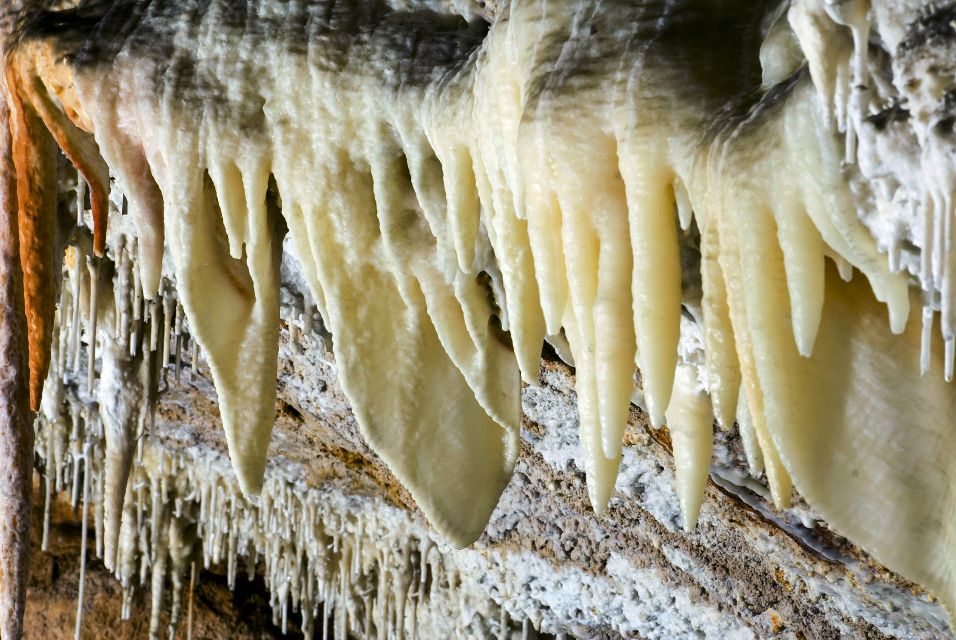
If you only have a small window on Mallorca, Campanet Caves is a smart fit. The whole experience is designed to be quick: you enter, walk a circuit, and you’re out in about 40 minutes. That makes it ideal when you’re juggling beaches, hikes, and meals—and you still want something genuinely different from the outdoors.
What makes it interesting is the combination of visuals and science cues. You’re not just staring at rock. You’re seeing how water works on minerals, and you’re getting pointers about geology and why cave findings can matter for paleontology. Even if you’re not a geology person, the cave does the heavy lifting: forms are clear, and the setting is cool (literally) enough to reset your brain.
The other thing I like is that it’s not a huge ordeal to plan. You don’t need to guess where to go with a complex schedule—just pick a starting time when it’s available and show up with shoes ready for a cave floor.
You can also read our reviews of more tours and experiences in Mallorca


Entering the three chambers: what you’ll actually see underground
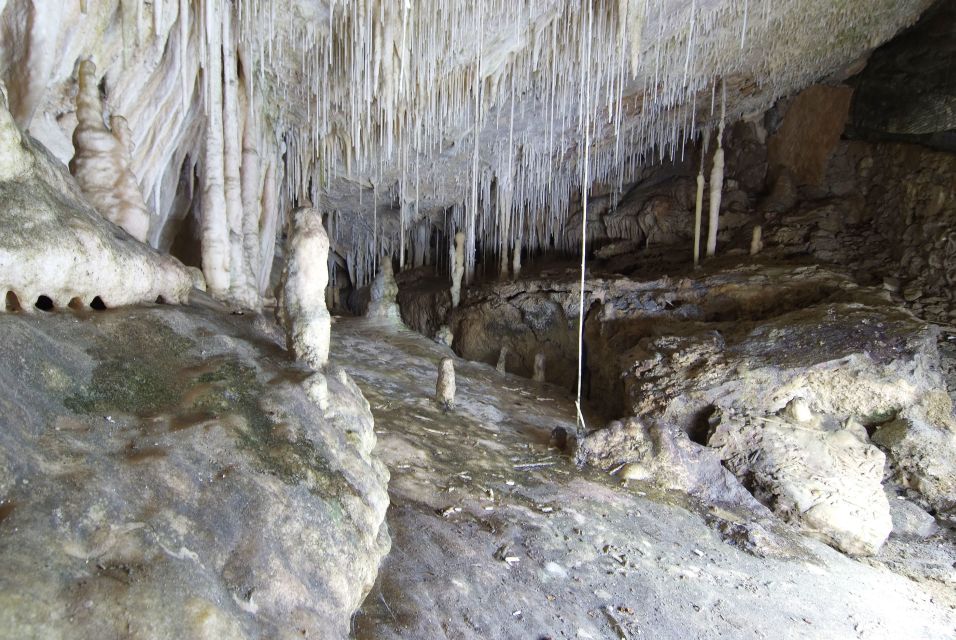
Your visit is self-guided and moves through three different chambers. That structure matters. It keeps the walk focused instead of turning into a long maze, and it helps you notice changes as you move from one space to the next.
Here’s what to look for as you go:
Chamber-to-chamber views
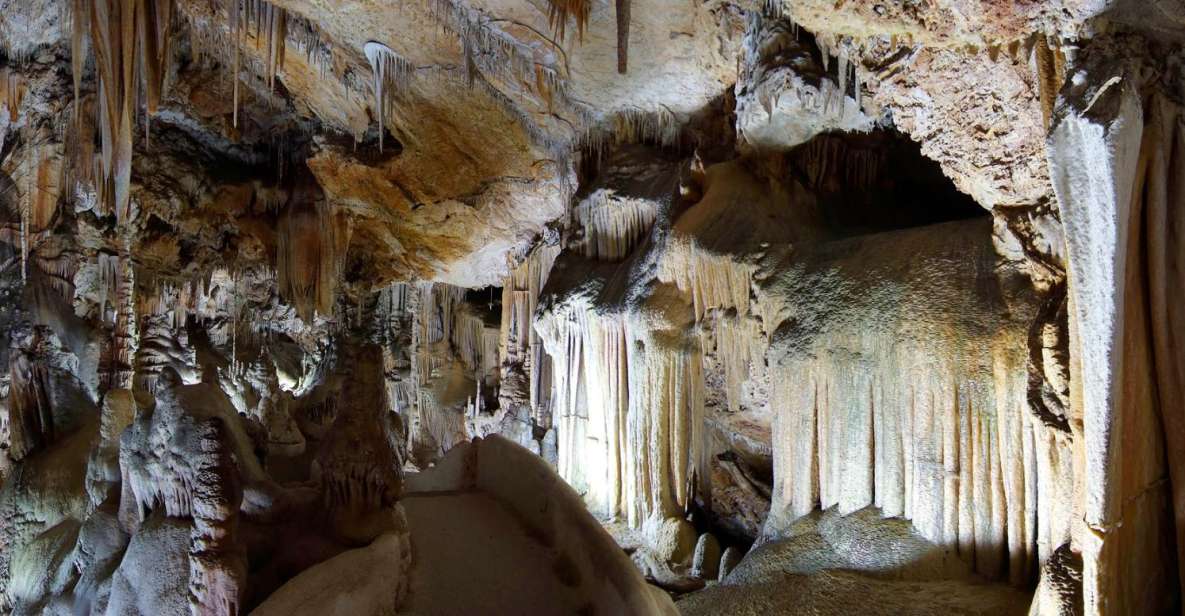
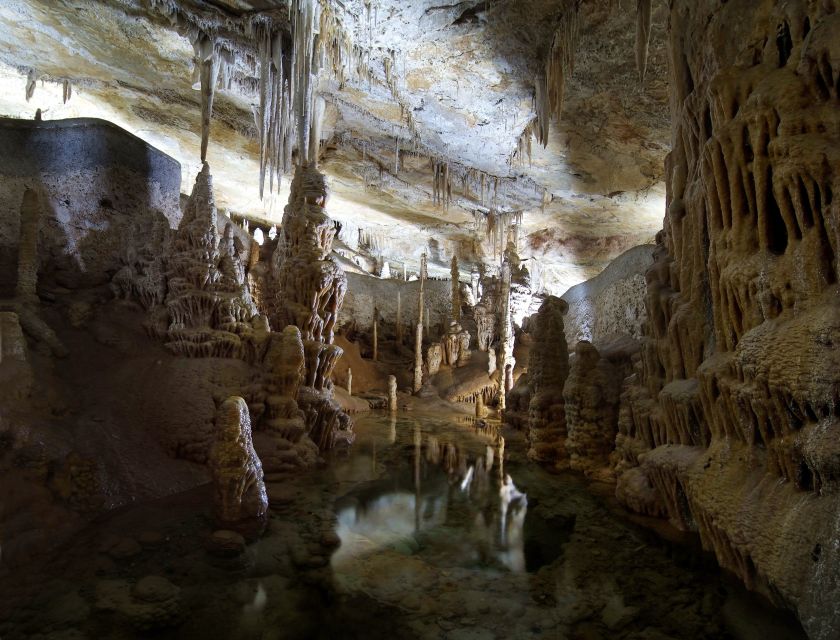
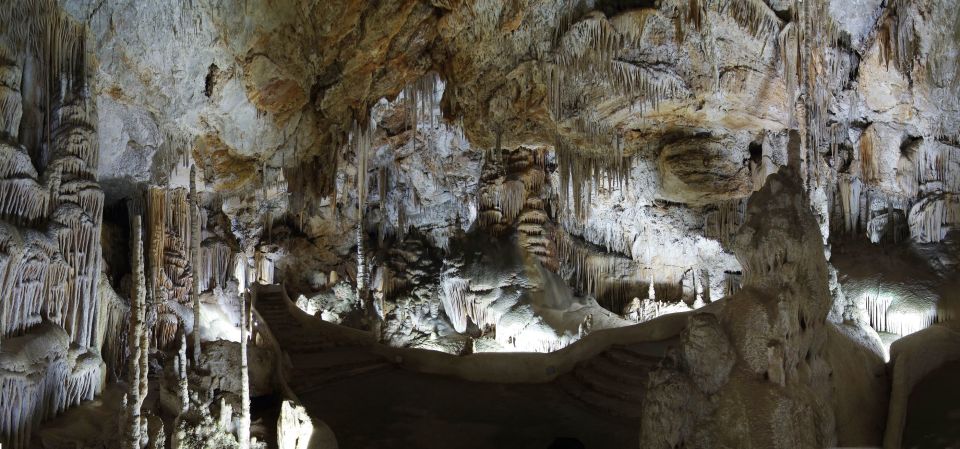
Each chamber highlights different crystalline formations, so it’s not just repeat scenery. You’ll see large “collapse chambers” with a naturally crystal-heavy interior, which can feel dramatic even without fancy lighting tricks.
Stalactites and stalagmites
The big show is the mix of stalactites (ceiling drips) and stalagmites (floor rises). The key idea to keep in mind is time. These aren’t random. They’re sculpted by water over thousands of years, one mineral deposit at a time. Try to pause for a moment and compare ceiling shapes versus floor shapes—your eyes start to connect the pattern fast.
A pace that works for most people
The self-guided format means you can slow down when something catches your attention and speed up when it doesn’t. It’s also a nice match if you get tired easily in busy places. If you time it well, you might even find it feels calmer inside, since the visit isn’t designed as an all-day walking marathon.
The “science angle” that makes the cave worth your time
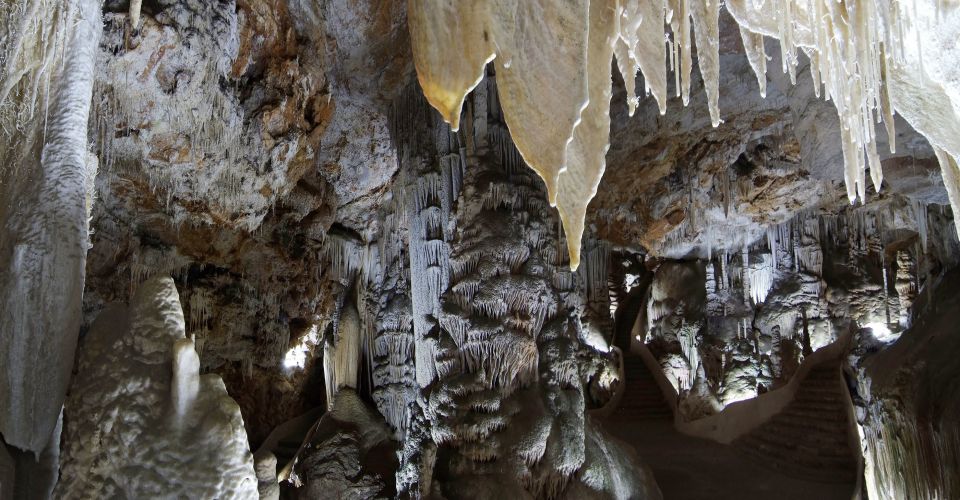
This is one of the reasons Campanet Caves works better than a typical “pretty stalactites” stop. The cave experience includes geology context and notes about the importance of caves for paleontological understanding. The information you’ll pick up helps you interpret what you’re seeing.
What that means for you, in practical terms:
- You can look at formations and connect them to processes (water + mineral deposition).
- You’re not stuck trying to guess why one formation is taller or darker than another.
- You leave with a sense that caves are more than scenery; they can be part of how scientists piece together long-ago environments.
If you love nature facts, you’ll probably enjoy how the cave doesn’t shy away from the bigger picture. If you don’t care about the science, the cave still delivers visually, but the added explanations are the difference between “nice” and “worth it.”
Serra de Tramuntana context: why the cave ties into UNESCO
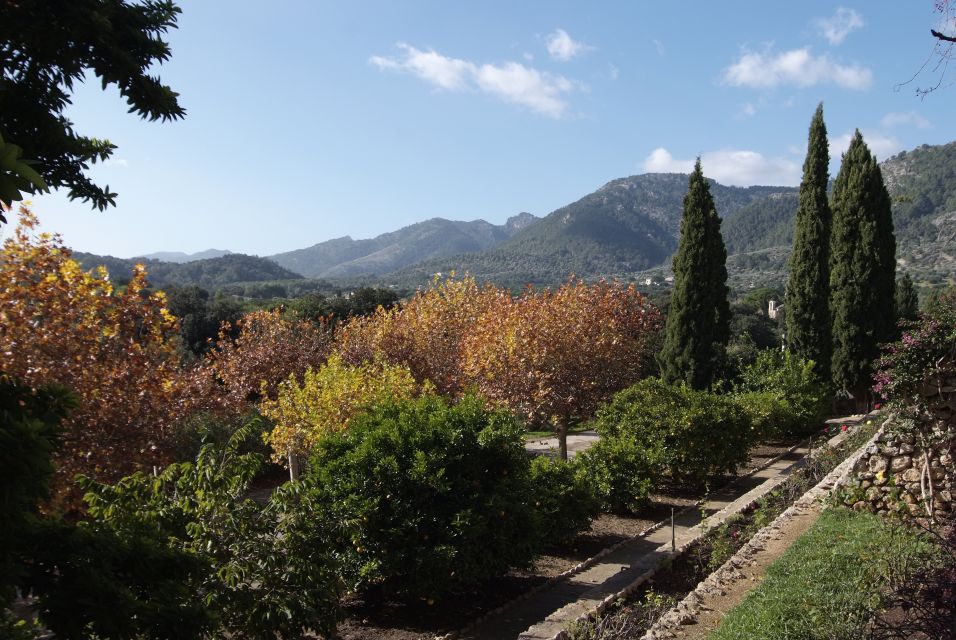
Campanet Caves sits at the foot of the Serra de Tramuntana, a mountain area recognized by UNESCO as a World Heritage site in 2011. You don’t need a long lecture about the mountains to benefit from this context.
For me, the value is that it gives the caves a sense of place. The caves aren’t floating in a vacuum. They’re part of the region’s natural story—mountains, rock formations, water flow, and long-term change. Even in a short visit, that connection helps you understand why this part of Mallorca feels so shaped by geology.
Self-guided vs guided: set your expectations so you don’t get disappointed
Here’s the trade-off with this ticket: you’re getting a cave visit, not a guided theater show. The tour is self-guided and there’s no audio guide included. Host/greeter staff are available in English, German, and Spanish, but that doesn’t automatically mean you’ll get extensive interpretation inside.
This is where reviews and real-world experience expectations can clash. If you expect a guide to stop you, point out details, and explain the formations step-by-step, you might feel like something is missing. On the other hand, if you’re the type who likes to explore at your own pace—even if you only get general orientation—you’ll likely find the format pleasant.
A good way to get the most from self-guided caves is to treat your 40 minutes like a photo-and-observation sprint:
- Look up first for stalactites.
- Then scan down for stalagmites.
- Spend a few breaths just observing the “collapse chamber” feel before moving on.
You’ll come away with more than just a vague impression.




Temperature and cave rules: small things that affect comfort
Cave interiors stay around 22°C year-round. That’s useful because you don’t have to plan around Mallorca weather once you’re inside. Comfortable layers are still smart, but it won’t swing wildly like outdoor heat can.
You also want to respect the cave’s rules so your visit stays smooth for everyone:
- No food or drinks inside
- No smoking
- No drones
- No bikes
- No littering
- Baby strollers aren’t allowed
- Chewing gum isn’t allowed
These rules aren’t just bureaucracy. In caves, extra items are a safety and cleanliness problem. If you show up prepared—snack-free, stroller-free—you’ll avoid stress at the entrance.
What to bring (and what to wear) for a comfy cave visit
This one is simple. Bring comfortable shoes. The cave floor can be uneven, and you’ll be more relaxed if your feet are supported.
If you tend to wear sandals, this is the day to skip them. Sturdy shoes help you walk steadily, and your mind stays on the formations instead of on your footing.
Also, since the visit is about 40 minutes, you don’t need a huge bag. Just keep it light so you’re not juggling straps and bottles in a place where you can’t eat or drink.
Price check: is $20 per person good value?
At about $20 per person for a 40-minute self-guided tour, value depends on what you want from the day.
It’s good value if you:
- Like geology and want a short stop that connects science to what you see
- Prefer self-paced exploring instead of listening to a long narration
- Are happy with a “see the formations, learn the basics, move on” experience
It’s less satisfying if you:
- Want a guided deep explanation with ongoing commentary
- Expect an audio guide (it’s not included)
- Are paying mainly because the weather isn’t cooperating and you want a bigger indoor program than a cave circuit
My practical advice: treat it like a focused experience, not a full attraction day. If you pack it into a day with good outdoor time too, it feels more “worth it.” If it’s the main event and you expected more guidance, you might feel the cost more sharply.
Timing and crowd reality: how to avoid feeling rushed
You’ll see available starting times, so you can pick when to enter. That choice matters because caves can feel crowded if you land in a peak window.
The good news: the tour is short and self-guided, so even with other visitors around, you’re not stuck listening to a group for long. And there’s a chance you’ll have a calmer experience depending on the time you choose—some people have even enjoyed being in the cave for the full 40 minutes with no one nearby.
What I’d do if you want a calmer feel:
- Pick a starting time that isn’t the first or the last slot of the day, if you have flexibility.
- If you’re visiting in a period when crowds are lighter, you may not need extra stress about availability, but I still recommend reserving your spot so you don’t waste time.
Who should book Campanet Caves, and who might skip it
This ticket makes the most sense for:
- Couples and solo travelers who like straightforward nature stops
- People who enjoy crystalline formations and short walks
- Visitors who want a quick culture-meets-science moment connected to Mallorca’s UNESCO mountain region
Consider skipping or rethinking if:
- You need a heavy guided component to feel like you got your money’s worth
- You hate being in cool, enclosed spaces for any reason
- You’re traveling with a baby stroller (not allowed), or you rely on strollers for the day
Quick practical plan: making it work with the rest of your day
Since transportation isn’t included, you’ll want to plan how you’ll get there on your own. That means building the cave into a route you already want to travel.
The cave itself is the easy piece: show up, wear shoes, follow the self-guided flow, and you’ll be done in about 40 minutes. Then you can return to the open air without losing your whole day underground.
This “short and sweet” structure is the main reason I’d recommend it. It’s not an all-day commitment, so it doesn’t hijack your Mallorca schedule.
Should you book Campanet Caves?
Book Campanet Caves if you want a compact cave visit that delivers real visuals—stalactites, stalagmites, and crystal-rich chambers—plus just enough geology and paleontology context to make the walk feel grounded. At $20 for about 40 minutes, it’s a fair deal if you’re not expecting guided narration for every detail.
Skip it (or adjust your expectations) if you’re mainly looking for an educational, explanation-heavy experience with an audio guide or lots of staff-led teaching. This one is about going in and looking, with the scientific points there to help you read the cave rather than to perform for you.
If you’re flexible and bring sturdy shoes, you’ll likely leave satisfied and curious—exactly the kind of stop that fits well between beach time and mountain time on Mallorca.
FAQ
How long is the Campanet Caves visit?
The self-guided tour lasts about 40 minutes.
Is the Campanet Caves tour guided by a person?
It’s self-guided, with a host/greeter available for languages listed, but the tour itself is described as self-guided.
Do I get an audio guide?
No. An audio guide isn’t included.
What will the tour include?
Your ticket includes cave entry and the 40-minute self-guided tour through three chambers with geological information and views of crystal formations.
What temperature is the cave interior?
The interior temperature is about 22°C year-round.
What should I wear or bring?
Wear comfortable, sturdy shoes.
Are there any items I’m not allowed to bring?
Yes. Baby strollers, smoking, food and drinks, drones, bikes, littering, and chewing gum aren’t allowed.
How much does it cost?
The price is listed as $20 per person.
What languages are available?
The host or greeter is available in English, German, and Spanish.
Is transportation included?
No. Transportation to the Campanet Caves is not included.